
The Controversial Side of Jawaharlal Nehru
Lesser-known controversies of India’s first Prime Minister
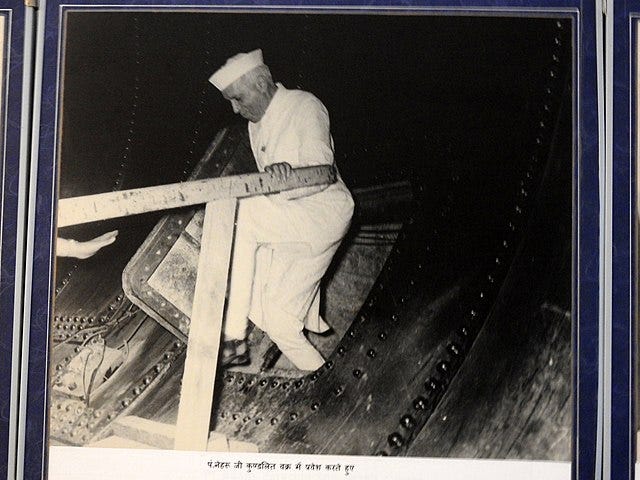
Jawaharlal Nehru, India’s first Prime Minister, is often in the spotlight for his role in shaping modern India. Most remember him for his leadership during India’s fight for freedom and his dream for the nation’s future.
However, every leader has hidden side decisions that remain in the shadows. The lesser-known side of Nehru gives a more rounded picture of the man who played such a pivotal role in India’s history.
The Relationship with Edwina Mountbatten
Jawaharlal Nehru and Edwina Mountbatten — wife of Lord Louis Mountbatten — the last Viceroy of British India, shared a special bond. Their relationship has always been a topic of discussion and speculation.
Edwina and Nehru got close during the turbulent times leading up to India’s independence and its immediate aftermath. They supported each other through letters and meetings. Many of these letters reflect understanding and mutual respect between the two.
People believe they share a deep emotional connection, but the exact nature of their relationship remains unclear. Some argue that this relationship could have influenced Nehru’s decisions, whereas the supporters see it as a personal matter.
Favoritism
Nehru’s daughter — Indira Gandhi, took on important political roles during his leadership many believed it was the beginning of a family dynasty in Indian politics. People argued that India, a democratic country, should not have politics dominated by one family.
Over the years, many members of the Nehru-Gandhi family took powerful positions in the Indian government. This often led to accusations of favoritism and power-hoarding. Some say that this family hold on politics kept other talented leaders from rising and limited the diversity of leadership in India.
The China Conundrum
Jawaharlal Nehru’s approach to China has often faced criticism. Many blame him for the unfavorable outcome of the 1962 Indo-China war. Nehru believed in establishing friendly ties with China.
He promoted the famous slogan “Hindi-Chini Bhai Bhai,” which means “Indians and Chinese are brothers.” However, things took a sharp turn when border tensions escalated. Instead of anticipating China’s aggressive stance, Nehru seemed caught off-guard. The result was a military setback for India.
Approach Towards Kashmir
Kashmir became a hotbed of tension right from India’s independence. Nehru, having roots in Kashmir, felt deeply connected to the region. He wanted it to remain a part of India, and this emotional connection may have influenced his decisions.
Many critics argue that Nehru could have resolved the Kashmir issue in the early days if he had been more decisive. Instead, the situation led to multiple wars with Pakistan and a prolonged period of unrest in the region.
Economic Policies
Jawaharlal Nehru believed in a planned economy. He introduced the Five-Year Plans to boost India’s industrial growth and self-reliance. However, this led to the establishment of many public sector units and infrastructural projects; it also meant heavy state control of the economy.
Many people argue that this approach slowed down India’s economic progress. Furthermore, critics point out that Nehru’s socialist model kept foreign investments at bay. They believe that a more open economy could have propelled India to greater heights faster.
The License Raj system, which required businesses to obtain multiple licenses to operate, also occurred during his time. This system often discouraged entrepreneurs and hindered the growth of private enterprises.
Handling of the Goa Issue
When it came to Goa, Nehru faced a tricky situation. Goa remained under Portuguese control even after India gained its independence. Many Indians believed that Goa, being a part of the Indian subcontinent, should join the newly independent nation. Nehru initially tried diplomatic talks with the Portuguese to resolve the issue, but they refused to budge.
As diplomacy failed, Nehru’s patience wore thin. In 1961, he gave the green light to “Operation Vijay,” a military operation to take Goa by force. Within two days, the Indian army successfully captured Goa, ending Portuguese rule. Critics argued that Nehru could have explored more peaceful methods before taking military action.
In the end, Nehru, like all leaders, was human. He remains a figure of admiration and criticism.


