
The Conquest and Colonisation of the Inca Empire by the Spanish
Before the arrival of the European explorers, the continent of South America was home to numerous powerful and complex civilisations.
Among the most prominent of these was the Inca Empire — a highly organised society that sprawled across the rugged Andean mountain range and stretched along the Pacific coast, encompassing what is now known as Peru, Ecuador, Bolivia, and parts of Chile, Argentina, and Colombia.
The Inca Empire was a vast and populous civilisation, with estimates of its population ranging from 6 to 12 million at its zenith. It was distinguished by its meticulous administrative system, complex mythology, and advanced architectural achievements.
From their capital, Cusco, the Inca’s Quechua-speaking rulers orchestrated an intricate network of roads and bridges that connected the vast territories, serving as vital veins of communication, transport, and trade.
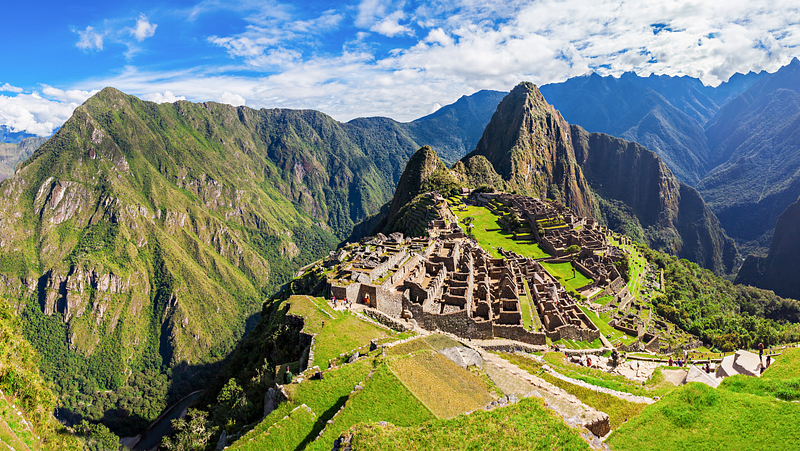
On the cultural front, the Incas demonstrated extraordinary proficiency in architecture and engineering, with their breathtaking terraced landscapes and grand structures like Machu Picchu and Sacsayhuamán standing as testament to their prowess.
The Inca society was organised and efficient, with an economic system grounded in the principle of ‘ayni’, or reciprocity. They also followed a polytheistic religion, revering Inti, the sun god, as their chief deity.
However, this great civilisation came under threat with the arrival of the Spanish conquistadors in the early 16th century. The figure central to the subsequent events was Francisco Pizarro — a determined and ambitious Spanish explorer.
Born in Trujillo, Spain, Pizarro was inspired by tales of the New World and was particularly influenced by the successful expedition of Hernán Cortés against the Aztec Empire in Mexico. As such, Pizarro set his sights on the Inca Empire, with its fabled riches providing a tantalising lure.
This marks the beginning of a devastating and transformative chapter in the history of the Inca Empire.
The confrontation between the Spanish conquistadors and the Inca would result in dramatic changes, the effects of which continue to echo in the present day.
Pre-Conquest Inca Empire
At its height, the Inca Empire was an awe-inspiring civilisation, made remarkable by its complex political structure, sophisticated economic system, and rich cultural landscape.
Known as Tawantinsuyu, which translates to “The Four United Provinces,” it was an empire with a centralised absolute monarchy led by the Sapa Inca, considered to be the ‘son of the sun.’
The Empire was divided into four main provinces or suyu — Chinchaysuyu to the north, Antisuyu to the east, Kuntisuyu to the west, and Qullasuyu to the south — all converging at the capital, Cusco.
A system of hierarchical governance was followed. At the top was the Sapa Inca, followed by a series of nobles and administrators, who maintained law, order, and collected tributes in their respective territories.
This efficient and organised political structure allowed the Inca to effectively govern the vast and geographically diverse empire.
The Incas also had a unique economic system, vastly different from the market-based economies of today. There was no concept of money or marketplaces. Instead, the economy was based on a labour tax system known as the ‘mita.’
Every able-bodied citizen was required to contribute a certain amount of work to the state. In return, they received food, clothing, and other necessities from state storehouses.
Another significant feature was the extensive road network, which was critical for the Incan economy. Spanning over 40,000 kilometres, these roads facilitated the movement of goods, armies, and information across the Empire, contributing significantly to the administrative efficiency of the Inca state.
Incan society was also richly diverse and stratified, with clear distinctions between nobles, commoners, and a class of labourers known as yanaconas.
Despite the hierarchy, there was a strong emphasis on communal work and shared responsibility, known as ‘ayni.’
Religion played a central role in the lives of the Incas too. They practiced polytheism, with Inti — the Sun God — being the most revered deity.
The Inca ruler was considered Inti’s representative on Earth, further consolidating the Sapa Inca’s authority. The Incas also held a strong belief in the afterlife, conducting elaborate rituals and mummifying their dead.
In terms of architecture, the Incas left behind magnificent structures that showcased their advanced knowledge in this field.
Constructed using intricate stone masonry, their buildings, terraces, and fortresses were designed to withstand the Andean climate and frequent earthquakes.
Structures like Machu Picchu, Sacsayhuamán, and Ollantaytambo remain enduring legacies of the Inca’s architectural ingenuity.
Prelude to the Conquest
The 15th and 16th centuries marked an era of intensive exploration and colonisation by European powers, significantly altering the course of world history.
This period, often referred to as the “Age of Discovery”, saw Spain at the forefront, fuelled by a potent combination of religious zeal, economic ambition, and the quest for glory.
Spanish exploration in the New World began in earnest following Christopher Columbus’ historic voyage in 1492 though.
His “discovery” of the Americas opened up a vast, resource-rich landmass ripe (in the minds of Europeans) for colonisation.
It was a time of fierce competition among European powers, with the lure of untapped wealth and the promise of spreading Christianity spurring Spain to explore and colonise these newly discovered territories.
Among the Spanish explorers attracted by these prospects was Francisco Pizarro. Inspired by the exploits of explorers like Columbus and Hernán Cortés, Pizarro embarked on his first expedition to the New World around 1502.
However, it wasn’t until his third expedition, backed by the Queen of Spain, that his name would become inextricably linked with the fate of the Inca Empire.
Pizarro’s earlier expeditions, fraught with hardships and minimal returns, had provided him with invaluable experience and knowledge about the South American landscape and its indigenous peoples.
His encounters with the Inca civilisation, teeming with tales of immense wealth and sophisticated culture, stoked his ambition to claim these lands for Spain.
The turning point came in 1529 when Pizarro signed the Capitulación de Toledo — a contract with Queen Isabella of Spain.
This contract officially sanctioned Pizarro’s conquest of Peru, granted him the governorship of any lands he seized, and pledged royal support for his expedition.
This was a significant milestone in the Age of Discovery, signifying royal endorsement and providing the necessary resources for Pizarro’s impending expedition.
This contract emboldened Pizarro and marked an important step in Spain’s colonisation plans.
And it set the stage for one of the most dramatic episodes of the colonial period: the Spanish conquest of the Inca Empire.
The repercussions of this event would reverberate throughout the centuries, leaving an indelible mark on the history of South America.
The Conquest
In 1532, Pizarro and his force of about 180 men arrived in Inca territory. Their timing was fortuitous, as the Inca Empire was weakened by a civil war between two royal brothers, Atahualpa and Huáscar.
Pizarro, astute and opportunistic, exploited this internal strife to his advantage.
The critical event that shifted the balance of power was the capture of Atahualpa — the Inca Emperor.
The pivotal encounter occurred at Cajamarca, a town in the northern highlands of Peru. Atahualpa, underestimating the threat posed by the small group of Spanish invaders, attended a meeting with Pizarro, accompanied by an unarmed entourage.
However, this was a trap. In a swift, brutal ambush known as the massacre of Cajamarca, Pizarro’s men, armed with guns and cannons, captured Atahualpa, slaughtering thousands of his followers.
This unexpected seizure of the emperor created a power vacuum and plunged the Inca Empire into chaos.
Once in captivity, Atahualpa offered a vast ransom to secure his release: a room filled once over with gold and twice with silver.
Despite the Incas fulfilling this demand, Pizarro went back on his word. Fearing a potential uprising, he decided to execute Atahualpa.
The emperor was then convicted of various trumped-up charges, including plotting against Pizarro and his men, and was garrotted in July 1533 — the death of Atahualpa marking the end of independent Inca rule.
The Role of Advanced Weaponry and Disease in the Conquest
Two critical factors contributed significantly to the Spanish victory: advanced weaponry and disease. The Spanish were armed with steel swords, firearms, crossbows, and wore armour, all unknown to the Incas.
Their horses also provided a considerable advantage, inspiring fear and confusion among the Inca forces.
Another insidious weapon was disease, specifically smallpox, which had preceded the Spanish arrival in the Inca Empire. Having no immunity, the Inca population was devastated by the disease.
It killed a large portion of the population, including Huayna Capac, the Sapa Inca, and his designated heir, which led to the civil war that was raging at the time of Pizarro’s arrival.
The Aftermath of the Conquest
The fall of the Inca Empire to the Spanish marked the end of a distinct chapter in South American history and the beginning of a long and often brutal period of Spanish colonial rule.
The once-powerful Inca Empire was gradually replaced by a new socio-political order, with profound implications for the indigenous population.
In the years following the conquest, the Spanish consolidated their control over the Inca territories, systematically dismantling the Inca administrative structure and replacing it with their own.
Spanish colonial rule was formalised with the establishment of the Viceroyalty of Peru in 1542, with Lima as its capital.
The Viceroyalty extended over most of western South America and was the most important of the Spanish colonies in terms of wealth and population.
Under the Viceroyalty, the Spanish began to impose their culture, language, and religion. Catholic missionaries worked fervently to convert the indigenous population, and Spanish became the lingua franca.
Numerous Spanish-style cities were built atop Inca settlements, with Lima, Quito, and Cuzco becoming vital centres of Spanish colonial society.
The Treatment of the Indigenous Population & the Encomienda System
The indigenous population bore the brunt of the Spanish conquest and the subsequent colonial rule. The native people were considered vassals of the Spanish Crown and were subjected to harsh policies and exploitation.
One such exploitative policy was the encomienda system. Introduced soon after the conquest, the encomienda was a labour system that granted Spanish settlers (encomenderos) the right to the labour of the indigenous people in their region.
It was framed as a system of protection and Christianisation of the indigenous people, but in reality, it was a veiled form of slavery. Indigenous people were often forced to work under gruelling conditions, particularly in the silver mines of Potosí and other regions.
The Spanish conquest and its aftermath resulted in significant demographic and cultural changes in the region. The indigenous population declined dramatically due to disease, overwork, and the brutal suppression of indigenous rebellions.
Simultaneously, a new society emerged, marked by Spanish dominion and a mixed population of Spanish and indigenous descent — the mestizos, who would come to play a critical role in the future of the region.
Resistance and Rebellion
While the Spanish rapidly asserted their dominance over the former Inca Empire, their rule was not unchallenged.
The indigenous people, despite the upheaval and suppression, demonstrated resilience and resistance against their Spanish overlords, which occasionally manifested as large-scale rebellions.
One of the most notable indigenous resistances was led by Manco Inca Yupanqui — a puppet Sapa Inca installed by the Spanish after the execution of Atahualpa.
However, Manco Inca quickly chafed under Spanish control and exploited the discord caused by the civil war among the conquistadors to launch a rebellion in 1536.
Manco Inca’s forces besieged the city of Cusco, attempting to reclaim the heart of the Inca Empire from the Spanish. The siege lasted for ten months, and despite Manco Inca’s unsuccessful attempt to retake the city, this rebellion was a significant act of resistance against the Spanish.
After the failed siege, Manco Inca retreated to the remote region of Vilcabamba and established a small independent Neo-Inca state, where he and his successors continued to resist Spanish control until 1572.
These rebellions were significant in demonstrating the resilience and courage of the Inca people. While they ultimately did not overturn Spanish rule, they disrupted Spanish control and governance and tested the resolve of the Spanish colonial authorities.
For the Incan population, these rebellions were symbols of resistance and cultural preservation. They also gave rise to legends and stories that helped keep the Inca spirit alive among the indigenous population, even as they were forced to adapt to the realities of Spanish rule.
On the other hand, these rebellions deepened Spanish paranoia about indigenous resistance too, leading to increased efforts to suppress Inca culture and traditions.
This period saw more intense evangelisation efforts, the persecution of the traditional Inca elite, and the implementation of policies aimed at breaking down Inca societal structures.
Cultural and Social Impact of the Conquest
The Spanish conquest of the Inca Empire brought about profound cultural and social transformations in the region. The collision of Spanish and Incan societies resulted in a complex interplay of religious, linguistic, and cultural changes that continue to shape modern-day Peru.
One of the most significant impacts of the conquest was the introduction of Christianity and its influence on Incan religious beliefs.
The Spanish conquistadors, driven by their zeal for spreading Catholicism, actively sought to convert the indigenous population. They dismantled Inca temples, replaced them with Catholic churches, and compelled the indigenous people to abandon their traditional religious practices.
The imposition of Christianity had a profound effect on Incan religious beliefs. Many Inca deities were assimilated into Christian iconography, with saints and biblical figures taking on characteristics reminiscent of Inca gods.
This syncretism created a unique blend of indigenous and Catholic beliefs, which can still be observed in certain religious practices and festivals in Peru today.
The Spanish language and culture were also forcibly imposed on the indigenous population. Spanish became the dominant language of administration, education, and religion, displacing the native Quechua language.
The imposition of the Spanish language led to a loss of indigenous languages and a shift in communication and expression.
Alongside language, the Spanish also imposed their cultural norms and practices. European styles of dress, architecture, and social customs became prevalent.
The indigenous population was pressured to adopt Spanish ways of life, often at the expense of their own traditions and cultural identity.
Despite the imposition of Spanish language and culture, the encounter between the civilisations also resulted in the blending of cultures. Over time, a process of cultural fusion occurred, giving rise to a unique Peruvian identity that reflects both indigenous and Spanish influences.
This blending can be seen in various aspects of Peruvian culture, including in art, music, cuisine, and traditional celebrations.
Peruvian cuisine, for example, incorporates elements from both indigenous ingredients and Spanish culinary techniques, resulting in a vibrant and diverse gastronomic tradition.
The blending of cultures also gave rise to a mestizo population — people of mixed Spanish and indigenous heritage.
Mestizos became a significant demographic group in Peru, bridging the gap between the two cultures and shaping the country’s social fabric.
Today, Peru celebrates its rich multicultural heritage and recognises the contributions of both indigenous and Spanish influences.
Long-Term Effects of the Conquest
The Spanish conquest of the Inca Empire had far-reaching and enduring consequences that shaped the economic, political, and cultural landscape of South America. Even today, the legacy of the conquest and colonisation continues to influence modern Peru.
The Spanish conquest ushered in an era of intense exploitation of the region’s resources. The vast mineral wealth of the Andes, particularly silver, became a major source of revenue for the Spanish Crown.
Mining operations, such as those in Potosí (present-day Bolivia), led to the extraction of immense quantities of silver, enriching the Spanish Empire and fuelling global trade networks.
The economic structure established by the Spanish was also highly unequal. The encomienda system, which initially exploited indigenous labor, gradually evolved into a system of large estates known as haciendas.
These haciendas, owned by the Spanish elite, relied on indigenous and African slave labor for their operations.
Politically, Spanish colonial rule was characterised by centralised control. The Viceroyalty of Peru, established by the Spanish Crown, ensured that power remained in the hands of the Spanish authorities.
Indigenous populations were largely marginalised and excluded from positions of authority.
The impact of colonisation is today evident in the socio-economic divide that persists between different segments of the population.
Indigenous communities, often located in rural areas, face persistent poverty, limited access to education and healthcare, and social marginalisation.
On the other hand, urban centres tend to be home to a more affluent mestizo population with greater access to resources and opportunities.
Culturally, the legacy of the conquest is seen in the preservation and celebration of indigenous traditions alongside Spanish and other influences.
Indigenous languages, although diminished in prevalence, continue to be spoken, and traditional customs and practices are honoured in various ways. The rich tapestry of Peruvian cuisine, arts, music, and dances reflects the fusion of indigenous, Spanish, African, and other cultural elements.
The ongoing legacy of the conquest also encompasses a complex process of collective memory, reckoning with the traumatic aspects of colonisation, and acknowledging the resilience of indigenous cultures.
Movements for indigenous rights and recognition have gained momentum, advocating for the protection of ancestral lands, cultural heritage, and greater inclusion in political and social spheres.
The conquest and colonisation of the Inca Empire by the Spanish marked a turning point in the history of South America. The Spanish conquistadors, led by Francisco Pizarro, dismantled the mighty Inca Empire, replacing it with a Spanish colonial regime that shaped the region for centuries to come.
The Spanish arrival in Inca territory, the capture of Atahualpa, the ransom and subsequent execution of the Inca Emperor were key events in this tumultuous period.
The use of advanced weaponry and the devastating impact of diseases had a profound influence on the outcome of the conquest.
Spanish colonial rule brought significant economic and political changes, characterised by the exploitation of resources and the establishment of a highly unequal society.
The imposition of Spanish language, culture, and religion also disrupted the indigenous way of life, leaving a lasting cultural impact.
However, the story does not end with the conquest. The long-term effects of this historical event continue to reverberate in modern Peru.
Economic disparities, social inequalities, and cultural dynamics are deeply rooted in the legacy of colonisation. Yet, there is also resilience and an ongoing effort to preserve and reclaim indigenous traditions and identities.
Reflecting on the lasting effects of the conquest prompts us to recognise the complexities of this history and its implications for contemporary society.
It calls for a deeper understanding of the diverse cultural heritage, a recognition of the struggles faced by indigenous communities, and a commitment to foster inclusivity, justice, and respect.