The Condensed History Of My Favourite Team Tottenham Hotspur. From Being The Only Non League Team To Win The FA Cup To Their European Cup Successses To The Present Day Rebuild.
Tottenham Hotspur Football Club, commonly referred to as Spurs, has a storied history that spans over a century. Here’s a condensed overview of their journey from winning the FA Cup as a non-league team to their European successes and their status in the present day:
- Early Years and FA Cup Triumph: Tottenham Hotspur was founded in 1882. In 1901, they achieved a historic feat by becoming the only non-league team to win the FA Cup, defeating Sheffield United 3–1 in the final.
- League Success and Golden Age: Spurs experienced success in the early 1950s, winning the First Division title in 1951 and 1961, when they won the double,the FA Cup As well . This period also saw the club secure FA Cup victories.
- European Glory: Tottenham Hotspur made their mark in European football by winning the UEFA Cup Winners’ Cup in 1963, becoming the first British club to win a European trophy. They repeated this success in 1972, winning the UEFA Cup.
- Modern Era: The club faced ups and downs in subsequent decades, experiencing periods of both success and struggle in domestic and European competitions.
- Premier League Era: With the inception of the Premier League in 1992, Tottenham Hotspur established themselves as a consistent top-flight team, although league title success remained elusive.
- Champions League Adventures: In the 21st century, Spurs began to assert themselves as regular competitors in European competitions. Notably, they reached the quarterfinals of the UEFA Champions League in the 2010–2011 season, showcasing their resurgence on the continental stage.
- Pochettino Era: Under the management of Mauricio Pochettino, Spurs experienced a renaissance, consistently challenging for the Premier League title and securing multiple top-four finishes. They reached the Champions League final in 2019, ultimately losing to Liverpool.
- Present Day: As of the present day, Tottenham Hotspur continues to be a prominent force in English football, boasting a strong squad featuring top talents. The club strives for both domestic and European success under the guidance of their current managerial setup.
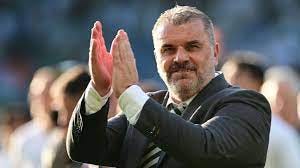
Ange Postecoglou Tottenham Head Coach.
Throughout their history, Tottenham Hotspur has remained a club with a rich tradition, passionate fanbase, and a commitment to playing attractive football. While they’ve encountered setbacks along the way, their legacy as one of England’s most celebrated clubs endures, with aspirations for further achievements in the future.
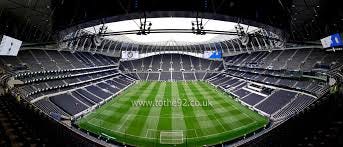
Their Home Stadiums They Played In Including The Present State Of The Art Tottenham Stadium
Certainly! Tottenham Hotspur has played in several home stadiums throughout its history, each with its own significance. Here are some of the key venues:
- Northumberland Park: Tottenham’s first recorded “home” ground, where they played from 1882 to 1888. It was located in Tottenham itself.
- Park Lane: Tottenham played here from 1888 to 1899. It was located near the current White Hart Lane.
- White Hart Lane (1899–2017): This iconic stadium served as Tottenham’s home for over a century. White Hart Lane witnessed numerous historic moments, including league titles and cup triumphs. It had a capacity of around 36,000 spectators, more during the days when standing was the norm?
- Wembley Stadium: During the renovation and construction of their new stadium, Tottenham temporarily played their home games at Wembley Stadium from the 2017–2018 season until the opening of their new ground.
- Tottenham Hotspur Stadium (2019-present): The club’s state-of-the-art home ground, commonly known as the Tottenham Hotspur Stadium or simply the Tottenham Stadium, officially opened in April 2019. Located on the site of the former White Hart Lane, this modern arena boasts a capacity of around 62,000 spectators and features cutting-edge facilities, including a retractable pitch. It has quickly become one of the most impressive football stadiums in the world and serves as the centerpiece of Tottenham Hotspur’s future ambitions on and off the pitch.

Another goal scored by Son Heung min the present captain.
Stephen Vincent.