
The Concept of Time Perception Across Cultures: Exploring the Philosophy of Time
Time, an abstract concept yet an undeniable force shaping human existence, varies in its perception across diverse cultures. Embedded within the fabric of societal norms, beliefs, and traditions, time manifests differently, offering a rich tapestry of perspectives that mirror the complexities of human experience. Delving into the philosophy of time unveils a profound exploration of its dimensions: past, present, and future, each laden with cultural significance and philosophical inquiry.
Time Perception Across Cultures:
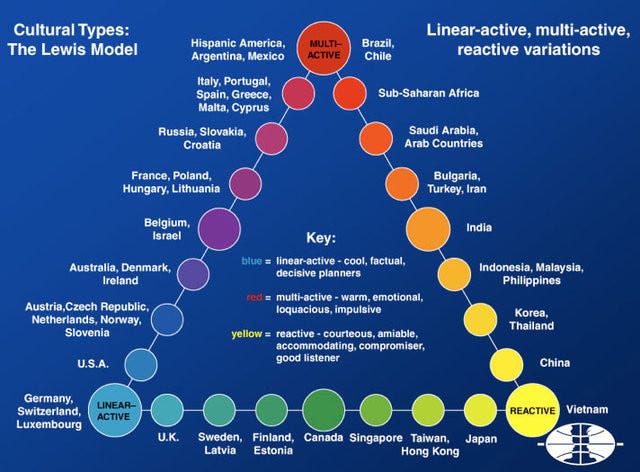
In cultures where time is viewed as linear, often termed as monochronic, punctuality and adherence to schedules reign supreme. Western societies exemplify this perception, valuing time as a finite resource to be managed efficiently. The phrase "time is money" epitomizes the capitalist ethos, where productivity and progress are synonymous with temporal discipline.
Contrastingly, many non-Western cultures adopt a polychronic view of time, wherein fluidity and flexibility characterize temporal experiences. In these contexts, interpersonal relationships and communal harmony often take precedence over strict adherence to schedules. For instance, in parts of Africa and Latin America, the concept of "African time" or "Latin time" acknowledges the fluidity of temporal boundaries, emphasizing the importance of social connections over punctuality.
The Philosophy of Time:

Past:

The past, an immutable realm of memory and history, holds a profound influence on the present and future. Philosophers throughout history have contemplated the nature of the past, debating its significance in shaping human identity and understanding. From the existential musings of Friedrich Nietzsche to the historical reflections of Walter Benjamin, the past serves as both a reservoir of wisdom and a site of existential inquiry.
Present:
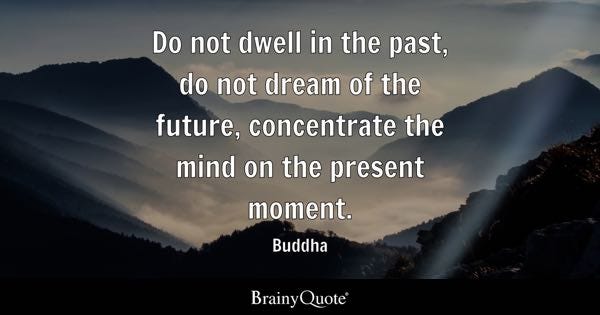
The present, a fleeting moment suspended between past and future, encapsulates the essence of existence. In the philosophy of mindfulness, rooted in Eastern traditions such as Buddhism, the present moment is revered as the locus of awareness and enlightenment. Practitioners strive to cultivate presence, transcending the distractions of past regrets and future anxieties to embrace the richness of the here and now.
Future:

The future, a realm of possibility and uncertainty, beckons humanity towards horizons yet to be realized. From the utopian visions of Plato's Republic to the dystopian warnings of George Orwell's "1984," the future serves as a canvas upon which human aspirations and fears are projected. Philosophical inquiries into the nature of time often grapple with the elusive nature of the future, pondering questions of fate, free will, and existential responsibility.
End word’s:
In the kaleidoscope of human experience, the concept of time emerges as a multifaceted prism refracting cultural diversity and philosophical inquiry. Across cultures, time perception reflects deeply ingrained values, traditions, and worldviews, shaping individuals' understanding of reality and the human condition.
As we navigate the currents of time, oscillating between the shores of memory, presence, and anticipation, we are confronted with the profound mystery of existence. In the timeless dance of past, present, and future, we find not only the contours of our shared humanity but also the boundless potential for philosophical reflection and cultural exchange.


