
“The Complex Tapestry of Wars: Understanding Causes, Consequences, and Paths to Peace”
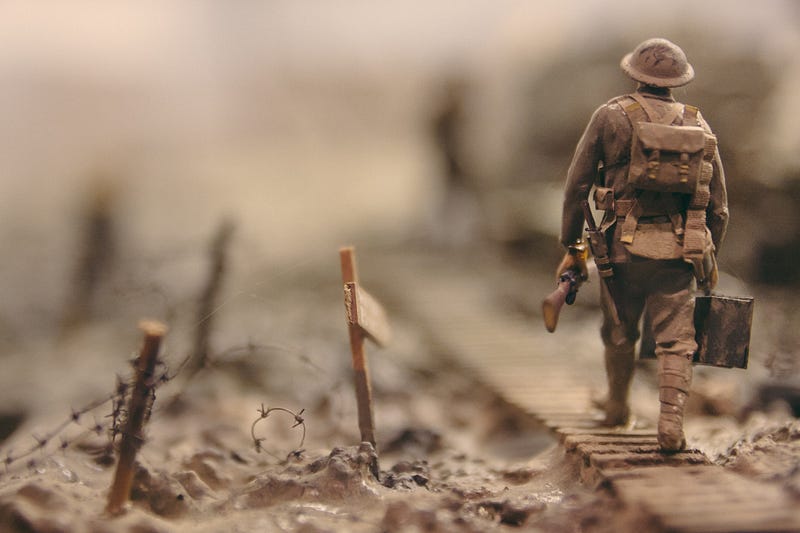
Wars have always been a part of human history and have impacted people and nations over time. War is woven throughout human history, from swordfights in antiquity to technologically-driven conflicts in the present era. This essay explores the complex nature of conflicts, looking at their origins, effects, and possible resolutions.
I. Reasons Behind Wars:

Political Factors: Conflicts between countries are influenced by power struggles, territory disputes, and ideological differences.
Economic Motives: Social unrest is fueled by competition for resources like land, oil, and minerals as well as economic inequality.
Religious and cultural tensions: disputes brought on by disparities in culture, ethnic rivalries stemming from long-standing grudges, and religious convictions.
Patriotism and nationalism: A strong sense of pride in one’s country can motivate aggressive foreign policy and a drive for supremacy and growth.
II. The Aftereffects of Wars:
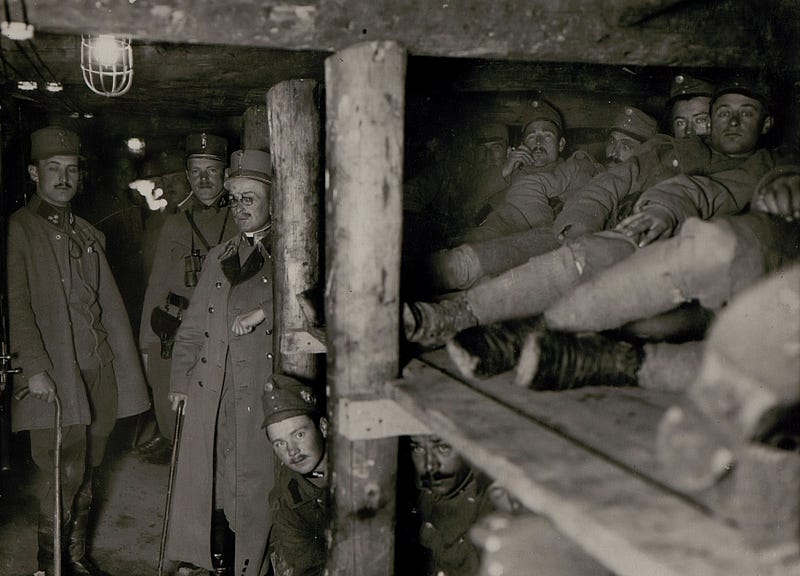
Humanitarian Impact: Deaths, major displacement, and refugee crises cause physical and mental stress that lasts a lifetime.
Economic Repercussions: Infrastructure and productive assets are destroyed, which causes recessions and long-term financial effects.
Environmental Degradation: Long-term ecological effects stemming from weaponry and military operations that pollute and destroy the environment.
Political fallout: includes altered government structures, leadership transitions, and geopolitical landscapes.
III. Routes to Harmony:

Diplomacy and Dialogue: International mediation and open lines of communication are helpful in resolving issues.
Reconstruction and humanitarian: aid involve helping impacted communities and restoring infrastructure to promote post-conflict recovery.
Promotion of Education and Understanding: Addressing the underlying causes of religious and cultural conflicts while promoting cross-cultural dialogue and understanding.
International cooperation: aims to lessen the possibility of conflicts by collaborating on global concerns and strengthening international organizations for conflict prevention.
Conclusion:
The lessons learned from the tapestry of conflicts must direct us toward a future marked by cooperation, understanding, and diplomacy as we traverse the 21st century. Given their complexity and deep roots, war causes demand attention. Humanity can endeavor to break away from the historical cycle of war and create a society in which the threads of peace are woven into the fabric of our shared existence by addressing underlying concerns and advocating for peaceful solutions.


