
The Complete Guide to Growing Your Freelance Business in 2024
2023 has been a tough year, here’s a guide to boosting your freelance business.

That moment when I put freelance status on my LinkedIn profile… A relief.
2023 has been a very difficult year for freelancers worldwide.
The cause:
The depreciation of digital company values has led to a reduction in funding for start-ups, and in turn to the closure of many of them, which has greatly reduced the recruitment of IT profiles.
The international banking sector is still in crisis, leading to bank failures and halting IT projects in the financial industry.
In addition, high-tech market trends are becoming increasingly specific, requiring IT freelancers to adapt to corporate demand. This is not necessarily the case — the most sought-after profiles are not being filled (security, DevSecOps, project management, etc.).
Finally, freelancers are becoming more and more numerous, and their skills no longer match market demands.
The result: Many freelancers can no longer find assignments, and the market is getting tighter.
So how can you make the most of the situation and bounce back so that 2024 is a year that doesn’t rhyme with expectations, worries, stress, financial difficulties and the abandonment of independence?
I’m a freelance Product Owner Design System for a major French insurance company.
I’ve been working in IT for 10 years. I’ve been a sales rep for market leader software, interoperability partner manager for France, product owner and project manager for native and hybrid mobile applications, product manager and manager of a 37-strong team in a bank.
Prior to this immersion in Tech, I went back to school twice, moving from a position as a care assistant in a retirement home to medical delegate in the pharmaceutical industry, to obtain a Master 2 in Business and Management in 2015, while I was working and looking after my 2-year-old son.
During my 20 years of professional experience, I’ve changed careers 3 times, gone through many doubts, difficulties and questioning, but I’ve always been able to achieve my goals, alone and without any financial help from my entourage. I know how difficult and unsettling it can be to move forward in a direction in which we have no visibility. We need reference points so that we can build on successes and tangible results.
To this end, I’m offering you a complete guide to help freelancers who want to get their business off the ground in 2024, to put their profile forward so as to be as effective and visible as possible, in the eyes of recruiters.
We’re going to follow 3 Product Designer profiles who, in their own way, have succeeded in perfectly highlighting their skills and experience through a portfolio.
We’ll discover the platforms that offer you visibility on the net, we’ll look at their value propositions and how they showcase their achievements on their portfolios.
I’ll share with you the freelance sites that are recruiting and, for the first time, I’ll divulge my methodology for successful interviews.
The goal is to make your future client understand:
“No doubt about it, this is exactly THE person I need.”
Are you ready? Then let’s get started!
Where do I start?
Before you embark on this process, I’d like you to consider the state of the market in which you find yourself. Freelance contracts are the first to be affected by staff turnover. The first to go are the freelancers.
Based on this observation, here’s the terrain in which freelancers operate:
- A flexible and shifting terrain: Freelancers are the easiest human variables to adjust, whether for one-off projects, peaks in activity or specific assignments.
- A competitive field: Freelance positions are expensive, so it’s essential to keep up to date on your skills, your market and the latest news. The more up to date you are, the more impact you’ll have, and the less likely you’ll be caught unprepared in the event of a breach of contract.
These reasons weighed heavily on my mind for a long time before I started freelancing, BUT once you understand the rules of the game, it’s much easier to navigate.
Are you still motivated to find that job?
Then let’s get started!
I’m ready, but nobody knows me…
Yes, it’s a fact that unless you have a solid reputation, nobody knows who you are and nobody will come looking for you.
The first thing to do is to show yourself — and what you can do.
When you buy a product or service on the Internet, you want to see it, feel it, understand what it does and whether it does it well.
Let’s be honest, you don’t buy something that looks shaky.
Well, it’s exactly the same for you.
How to put this into practice:
You don’t need development skills to create a web page. Online tools such as Notion, Wix and Podia are within the reach of all freelancers, and offer entry-level rates.
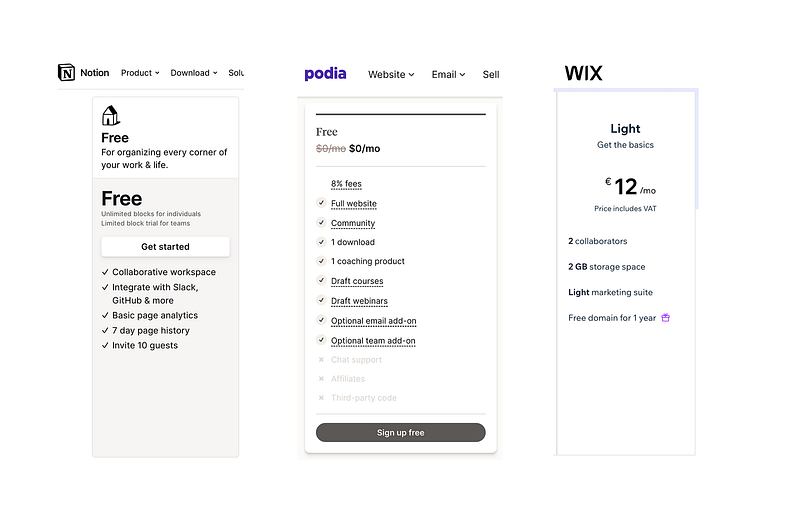
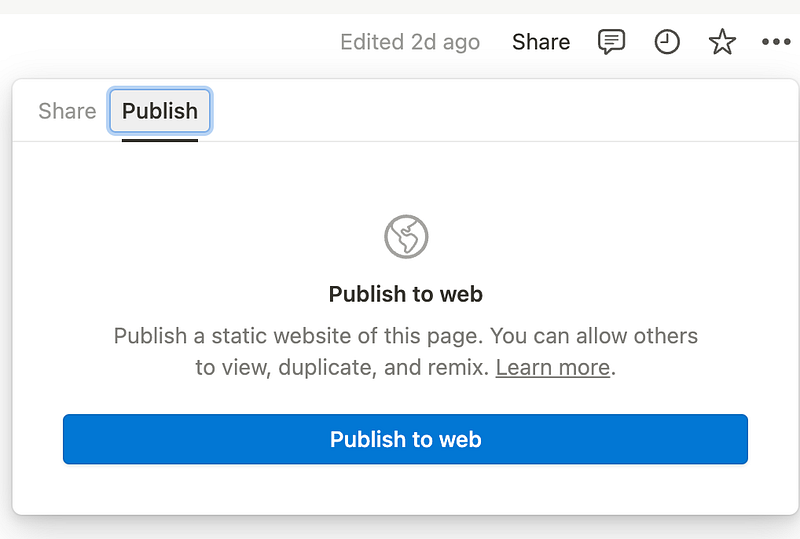
Notion.so: Notion is a tool that allows you to organize your entire space by creating blocks, linking them together. Notion lets you create as many pages as you like. For a portfolio, the page must be published on the Internet to be accessible.
Podia.com: Podia is much more than a website, it’s a way to create marketing campaigns, sell online content and publish training programs. Its uncluttered look and ease of use are assets that enable it to be used by a large number of content creators.
Wiz.com: Wiz is a website builder. Ready-made templates let you quickly build an interface that suits you, and add widgets.
Feel free to use the tool that suits your needs and budget.
A copywriter will not have the same image storage needs as a creative, for example.
Take the time to explore each platform before choosing, because once you’ve invested time (and money) it will be very frustrating to have to do it all over again — and you may never have the courage to do it again.
To inspire you in the creation of your page, here are three examples of Product Designers’ portfolios:
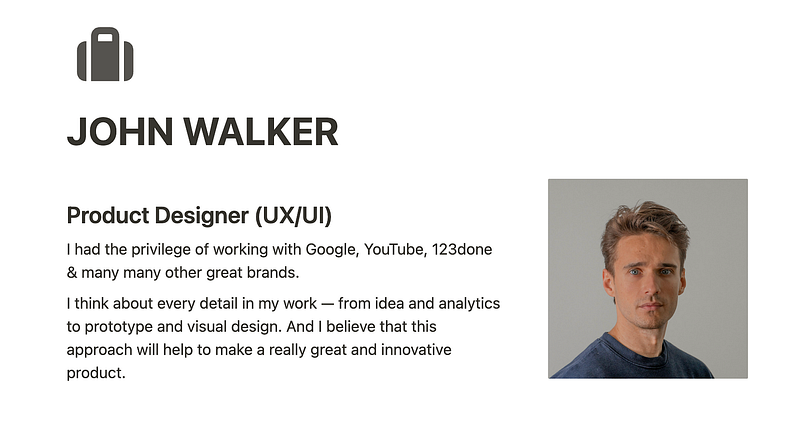
- John Walker has chosen Notion to present his work. A very clear and sober presentation. His template is duplicable, i.e. you can copy it to your space and use it for yourself immediately.
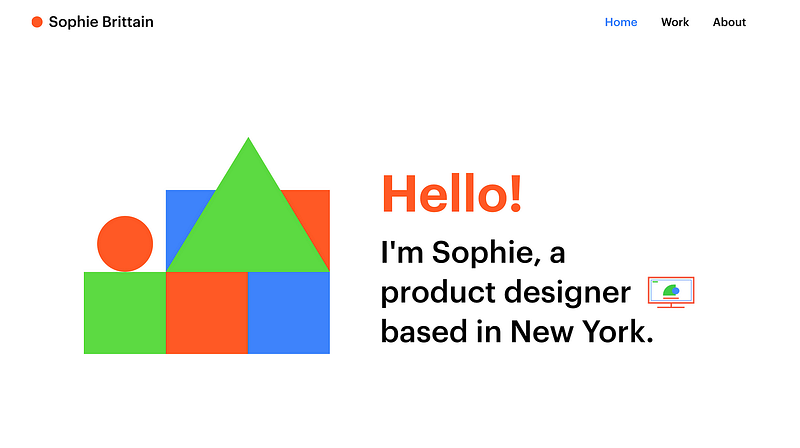
- Sophie Brittain powers her site from Wix. The navigation is simple and uncluttered. Primary colors and basic elements illustrate her creative design profile.
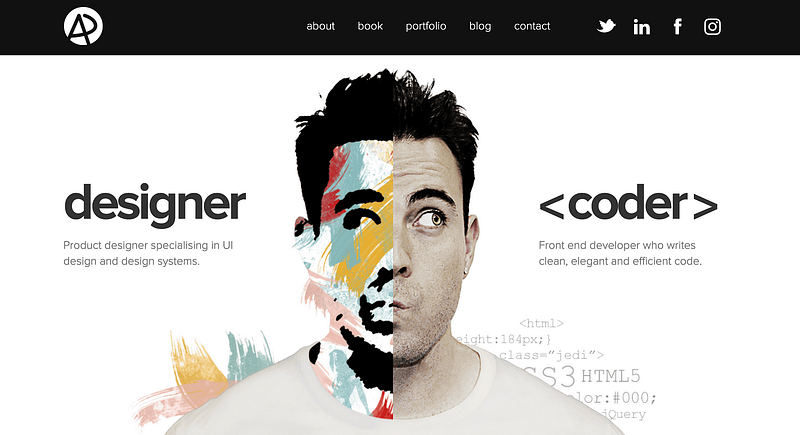
- Adham Dannaway worked on a much more sophisticated site. Adham has a dual skill-set that he has managed to show off perfectly. The duality and complementarity of Design and Development are very nicely represented. The site is dynamic, and depending on the position of your cursor, you’ll discover its Designer or Developer facade.
Let’s take a look at the points to bear in mind when starting a portfolio:
- A clear understanding of your business makes it easy to identify profiles: John, Sophie and Adham make it very clear that they are Product Designers. By clearly showing their professional intentions, they facilitate the decision-making process. The recruiter is more efficient in his search, as there is no doubt about the candidates’ professional objectives, which inspire a certain professionalism.
- A beautiful visual to support your presentation: The three profiles feature three different styles: a sober photo, a graphic illustration and an animated representation. Sophie’s and Adham’s illustrations clearly highlight their artistic skills, their totally personal style and their creativity. But depending on the position you’re aiming for, it’s not necessarily necessary to present sophisticated visuals. If you’re not creative at heart, a nice, pleasant, smiling photo will do the trick.
- A few introductory words to break the ice: A short introduction is useful to initiate contact with the recruiter. Quickly introduce yourself in a few key words, talk about your professional objectives or the highlights of your career, or even your value proposition:
As (my role), I offer (products, services) to help (my target) do (what). Thanks to (my method), I (results), in (how).”
If I take my situation:
“As a… freelance project manager, I offer… detailed articles and methodological guides to… share with people ready to reinvent themselves to… gain productivity and confidence in their projects. Thanks to… my successes and failures over 20 years of professional experience, I… am honest and realistic with readers, and share practical actions, for… concrete results, creating connection and closeness with my readers.”
Value propositions are very impactful and they clearly define who you are, who you’re addressing and what you bring them in terms of value.
It can be reused on your LinkedIn page, selling your products, etc…
To reinforce your credibility, you can add, as John did, your achievements in figures:
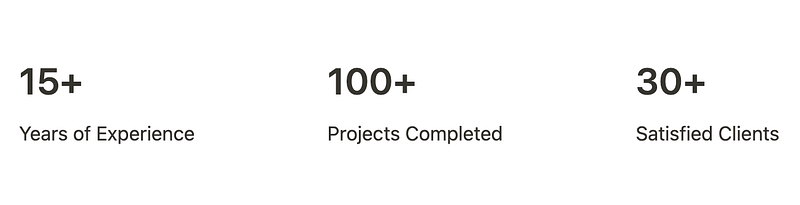
Numbers provide social proof, they impress and they demonstrate your performance.
There’s still one important part of your portfolio: the presentation of your achievements.
The recruiter knows who you are, now he wants to know what you do.
This is the time to showcase your work, mock-ups, renderings, customer testimonials. Anything that highlights your skills and expertise is welcome.
If you’re short of ideas, don’t hesitate to take inspiration from the portfolios of our three Product Designers:
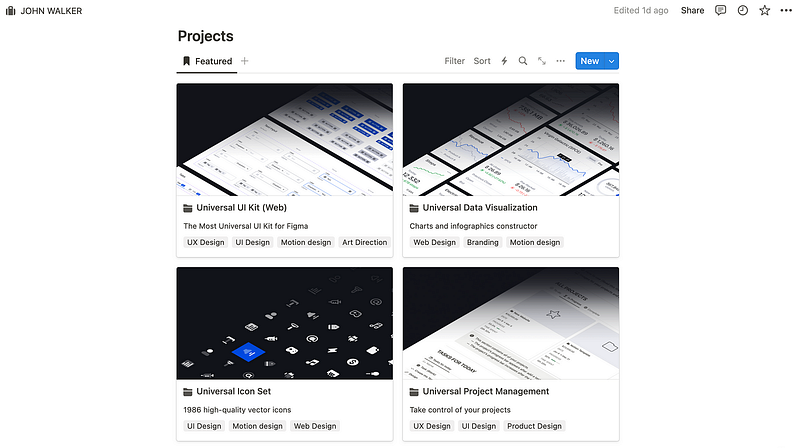
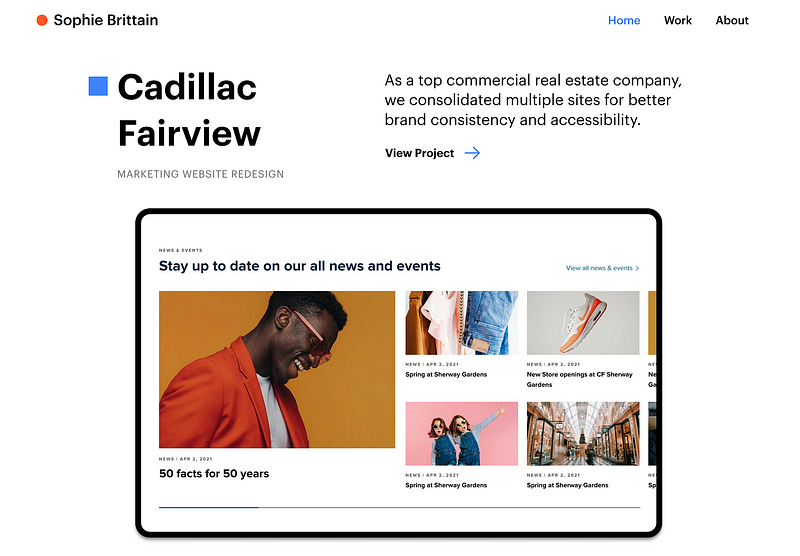
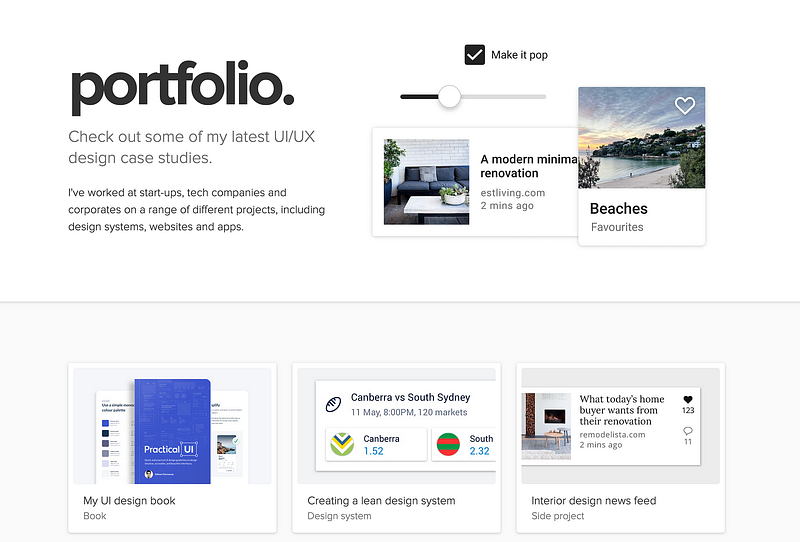
Working your portfolio to the best of your ability will demonstrate your skills and give an insight into the quality of your work.
A recruiter will remember someone who makes the effort to present their work, and will put aside someone who does things by halves.
My portfolio is complete, where can I find assignments?
Now that we’ve looked in detail at how to prepare your portfolio, let’s go a little deeper and find a contact.
It’s a question of distribution: you can have the best file in hand, but if it’s not visible, nobody will contact you.
The strategy is simple: target active recruitment platforms.
Avoid sites where there are few ads, or where ads are posted for too long. This is not a good sign.
I searched the sites of international freelance platforms — which I’ll list next.
For my part, I went through a French freelance contract platform: CherryPick.
How did I go about my search?
I went to LinkedIn, Quora and Medium and searched for keywords: #best #site #freelance #job #recrutement #independant
A number of articles and posts came up.
I applied a filter to get results less than a year old and sorted them by reactions, opinions in comments.
Finally, I removed sites that didn’t seem relevant to my search for a freelance assignment (e.g. odd jobs, DIY/housework…) and those that only had a local presence (e.g. Egypt, India…).
The list was so long that I had to create a dedicated article listing the sites by field of activity.
In the rest of this guide, I’ll only share the generalist sites with you. Ready for the overview?
Freelance sites that recruit :
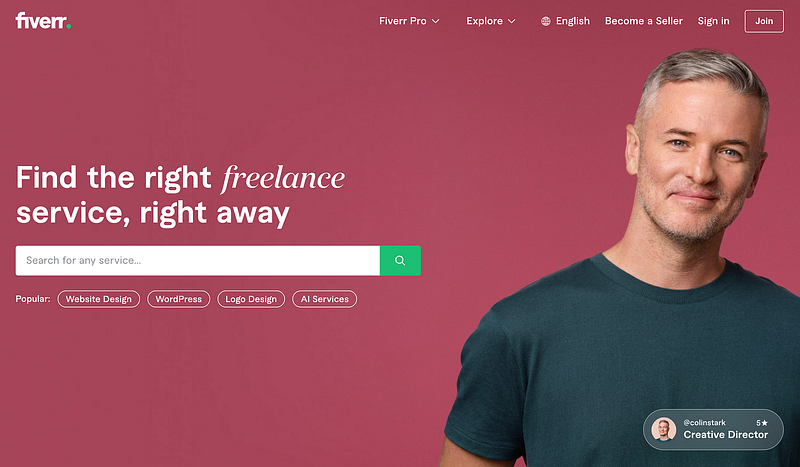
Fiverr : Find the right freelance service, right away
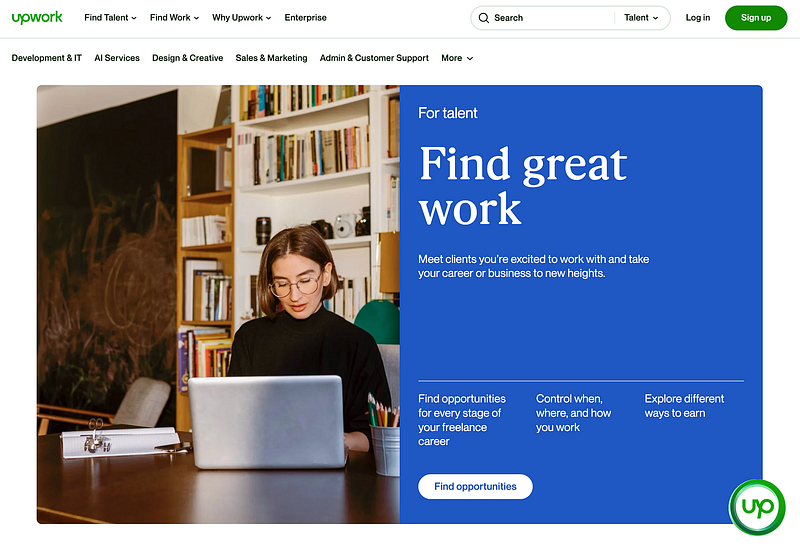
Upwork : Find great work — meet clients you’re excited to work with and take your career or business to new heights.
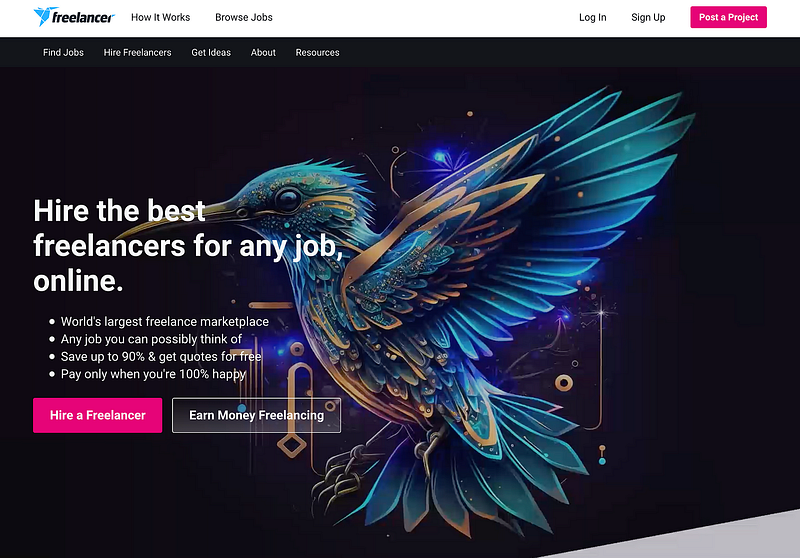
Freelancer : Hire the best freelancers for any job, online.
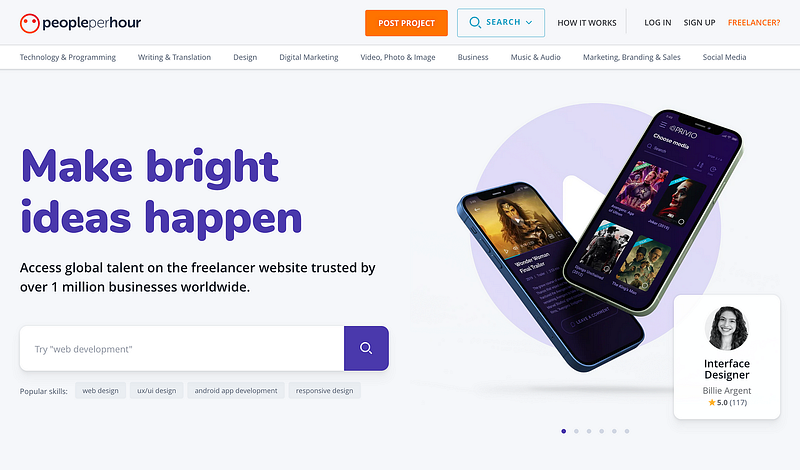
PeoplePerHour : Make bright ideas happen — Access global talent on the freelancer website trusted by over 1 million businesses worldwide.
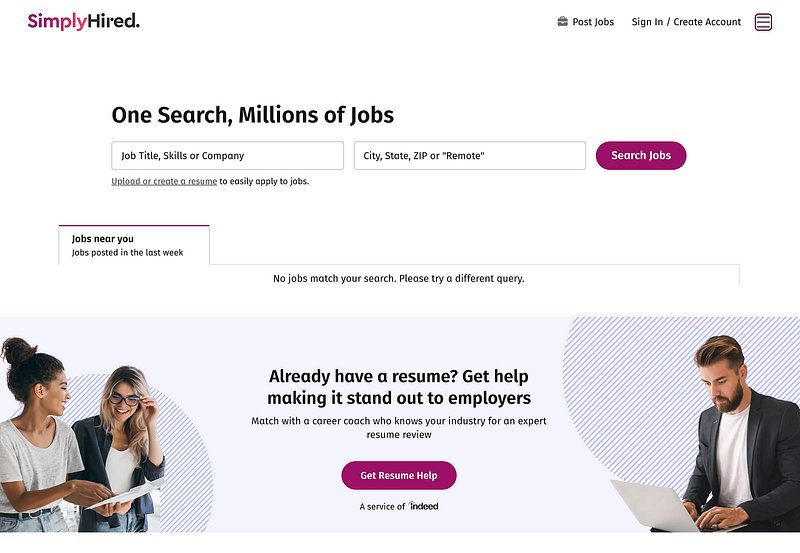
SimplyHired : One Search, Millions of Jobs
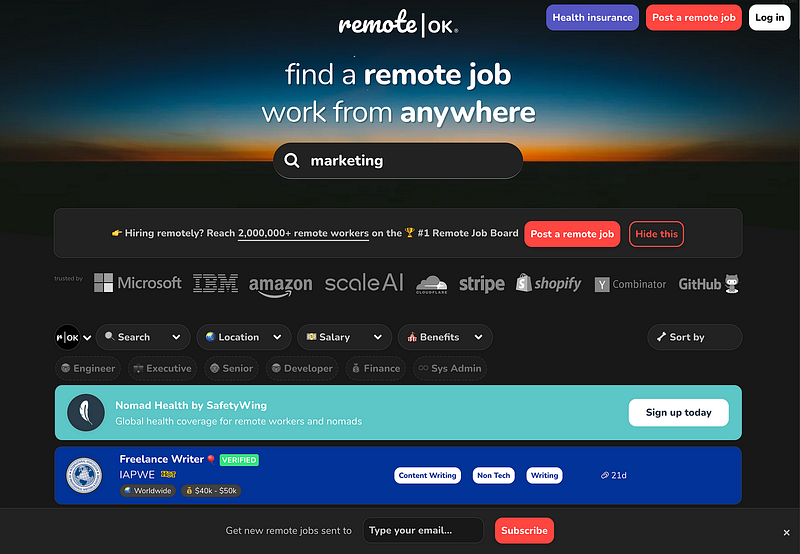
Remote OK : Find a remote job work from anywhere
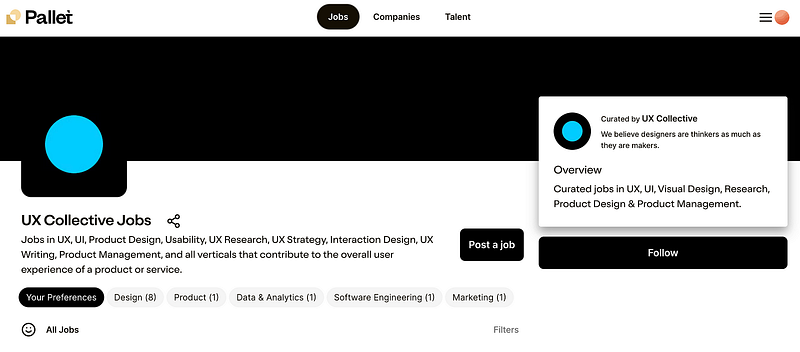
UX Collective Network : Jobs un UX, UI, Product Design, Usability, UX Research, UX Strategy, Interaction Design, UX Writing, Product Management, and all verticals that contribute to the overall user experience of a product or service.
A freelance platform is an entry point, but I strongly encourage you to be proactive and go out and find your own assignment.
Easy for you to say!
I’m sharing a few tips to help you along the way:
- Join Slack communities to make connections and be first in line for jobs: Tech London (open to all, not just Londoners), Creative tribes, Designer hangout, Hack productivity, Online Geniuses, The Portfolio Collective (TPC), etc.
- Contact IT agencies to submit your profile: Here’s a Medium article listing 15 recruitment agencies
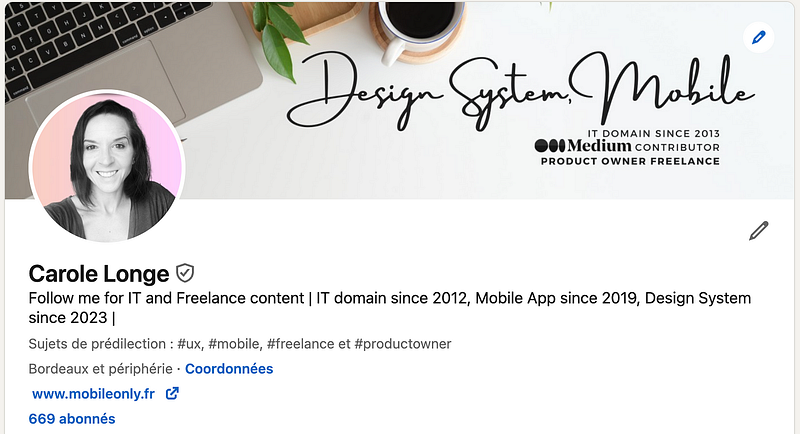
- Leverage your professional network from LinkedIn :
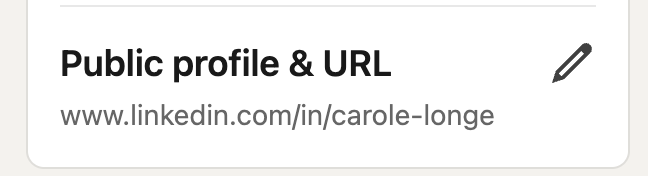
Tip: optimize the url link to your public profile by deleting the characters after your first and last name. The link to your LinkedIn profile is cleaner.
You’re well on your way!
To land an assignment, you need to be among the very first to respond to an ad.
With your portfolio complete, clean and if you have the skills for the job, you’ll be called back.
To anticipate what’s coming next in your search process, you’ll need to frame your playing field.
What’s the playing field? These are the conditions you wish to set for your customer, the working environment, travel, the status of your contract, its duration…
- Working conditions: on-site, hybrid or full-remote
- Travel: accepted / refused, how far, how often
- Remuneration: psychological range
- Contract duration: long or short assignment
- Expenses: the customer pays your expenses, you have to budget the amount of expenses to be covered by increasing your remuneration.
- Status: Sole Proprietorship, Single-Member LLC, Independent Contractor, Corporation, Cooperative, Partnership, Freelance Worker Status
A specific article will be dedicated to the different freelance statuses to help you choose the one that best suits your situation.
All the answers to the advantages of freelancing: Being able to negotiate your terms.
A customer has just contacted me: Now’s the time to keep at it!
You’ve just received a contact for an assignment — that’s great news! Congratulations, you’ve done a great job! 🥳
There’s no need to worry about the exchange to come: it’s simply a matter of confirming that you are the person you claim to be.
The recruiter is already convinced of the merits of your application, and needs to be reassured about the person he or she wishes to recruit.
After all, it’s more than just skills that the client is looking for.
The recruiter is looking for skills and expertise. The customer is looking for a personality endowed with skills.
Imagine this exchange as a discussion with someone interested in your background:
What are your most significant experiences in relation to the mission? What did you learn from them? What did you find difficult? What did you do to overcome them? How do you measure your success? Do you monitor the situation? — A freelancer who doesn’t keep his or her skills up to date is a freelancer who won’t attract recruiters. What have you been interested in lately? Can you give us a concrete example? What’s the size of the team you work in? What kind of organization and work methods do you use? How do you see the job of Lead? Manager position?
The recruiter and the customer are like you: they need to be reassured before they sign.
So how do I prepare?
You have to prepare for an interview. That’s the first point.
To help me prepare, I’ve made myself a chart.
I drew 5 columns in which I noted :
- The context in which I worked
- The difficulties I encountered
- The successes I experienced
- What I learned from the experience
- Significant actions taken
Here’s how it looks on Notion:
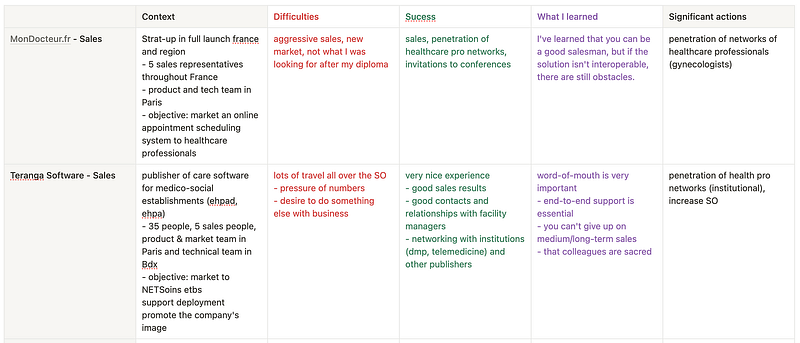
By doing this exercise, I not only memorize my career more easily (I have 18 past experiences), but I’m also able to bounce back on the important points in my career.
The table can be read in rows or columns:
Customer:
Name the biggest difficulties you encountered when you were a salesperson?
Me:
When I was working at MonDocteur.fr and Teranga Software, I felt very uncomfortable with the pressure of results. That’s not what I was looking for after graduating… That’s why I got interested in project management and trained my colleagues.
I don’t just list my difficulties, I put them in context and use them as a strength to explain the rest of my career path.
This is particularly true when you have an atypical career path, which requires a logical progression from one experience to the next.
It makes the discussion flow more smoothly, and I can move quickly from one anecdote to another, without losing the thread in my journey.
It *really* made a difference in my interviews!
Let me give you another example:
Customer:
What types of organizations have you worked in?
Me:
I’ve worked in startups and small companies, in the Tech environment. Both were in a growth phase, MonDocteur.fr had just recruited its sales force and Teranga Software had already structured its sales force, which was deployed all over the country. Working in companies of this size enabled me to be autonomous, adaptable and proactive. I quickly realized that you have to remain curious if you want to evolve and progress within the company.
A question leads to an answer presented in context + learning that’s put to good use.
By proceeding in this way, I gain fluidity in my discourse. It allows me to share more information without having to be asked.
Try it, you’ll see!
Now it’s your turn!
It’s time to let yourself work and prepare to find your mission.
Even if you don’t have a lot of experience, you still have something to say.
Above all, believe in yourself and stay confident!
Thank you for reading this article!
My name is Carole and I write about Personal Development, Technology and Things in Life.
A question about your difficulties, a subject you’d like to discuss, a collaboration or just to chat. You can contact me: [email protected]