
The Commonplace Book Project
The Commonplace Book Project is part of the 1000 Day MFA.
Every Day I’ll write a post that starts with a quote and goes where ever it leads. There will be links to follow and videos to watch.
There’s a also a poem every day.
Ray Bradbury said to read an essay, a poem, and a short story every day for 1000 days to become a writer. This series will help.
(It’s how I’m doing it, anyway.)
Read a post every day. Follow the trails. And write.
#1: Ray Bradbury on How to Be a Writer
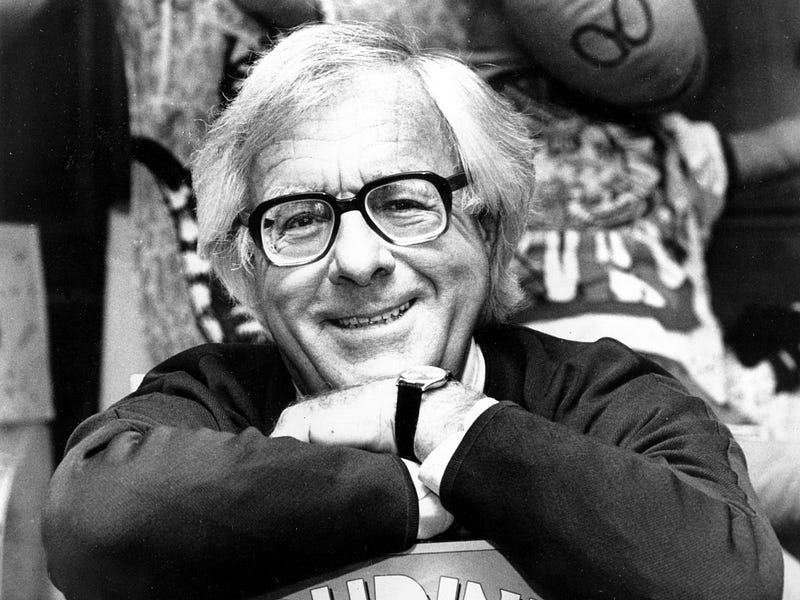
Fall down the rabbit hole . . .
#2: Henry David Thoreau on Skipping the Crap
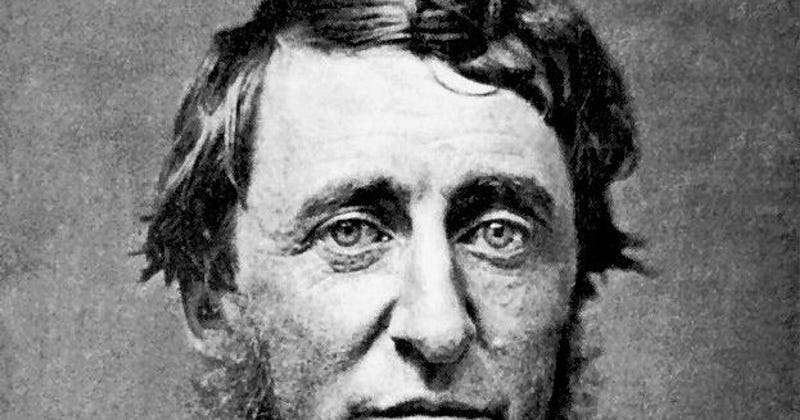
Fall down the rabbit hole . . .
#3: Anais Nin on Happiness
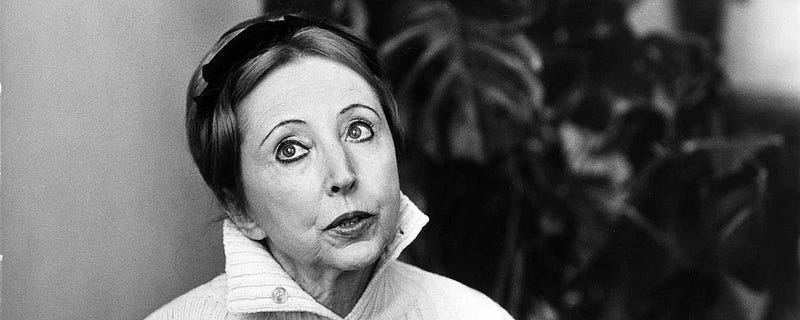
“When you make a world tolerable for yourself, you make a world tolerable for others.” — Anais Nin, The Diary of Anais Nin, Vol. 5
Fall down the rabbit hole . . .
#4: J.R.R. Tolkien on Using Your Time
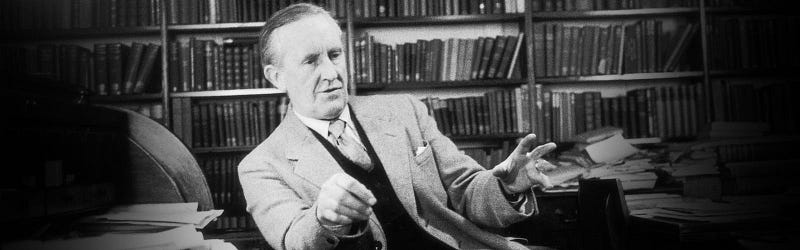
“All we have to do is decide what to do with the time that is given us.” — J.R.R. Tolkien, Fellowship of the Ring
Fall down the rabbit hole . . .
#5: Fred Rogers on Fostering our Fellow Human Beings
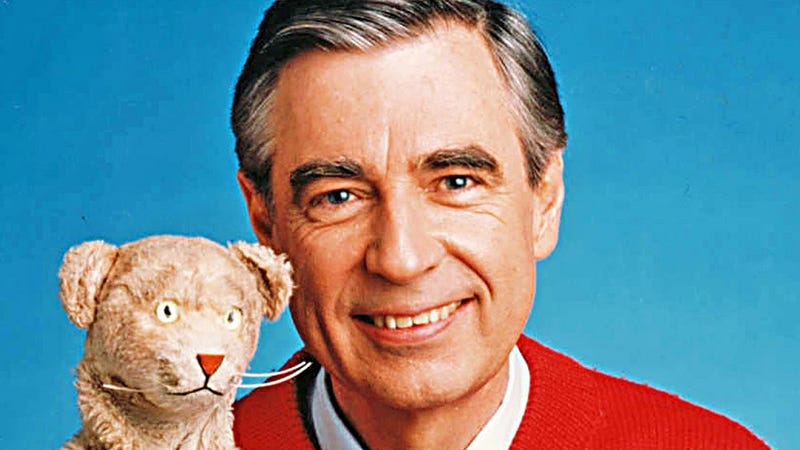
“Anything that we can do to help foster the intellect and spirit and emotional growth of our fellow human beings, that is our job. Those of us who have this particular vision must continue against all odds. Life is for service.” — Fred Rogers
Fall down the rabbit hole . . .
#6: Joan of Arc on Truth
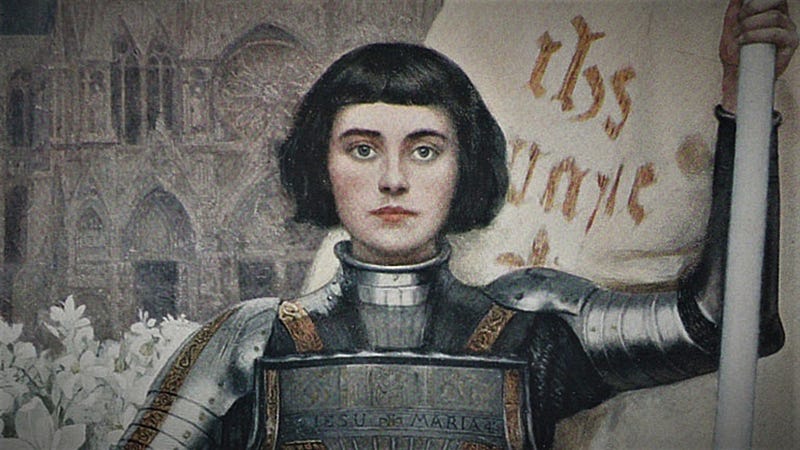
“Children say that people are hung sometimes for speaking the truth.” — Joan of Arc, quoted from her trial transcripts in this book.
Fall down the rabbit hole . . .
#7: P.L. Travers on the Relationship Between Reader and Writer.
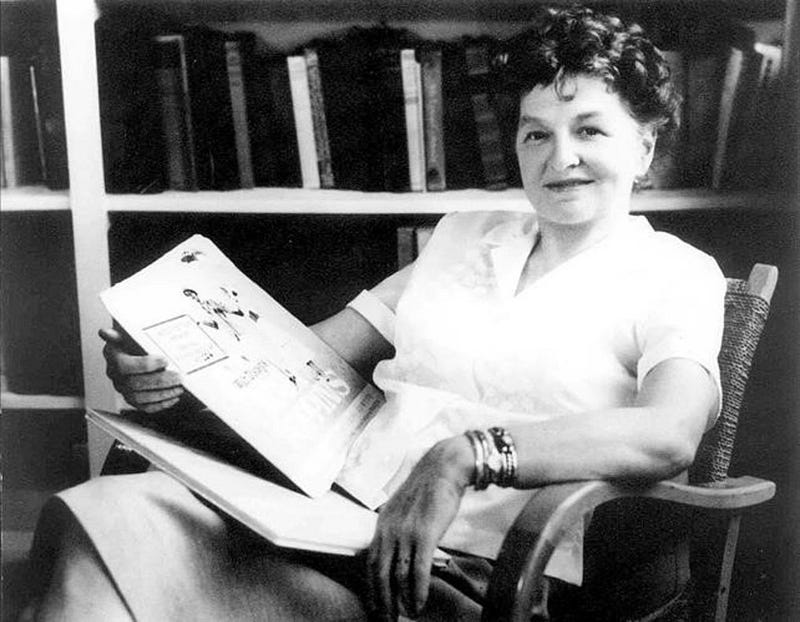
“A writer is, after all, only half his book. The other half is the reader and from the reader the writer learns.” — P.L. Travers, as quoted in The New York Times (2 July 1978)
Fall down the rabbit hole . . .
#8: Gypsy Rose Lee on Perception
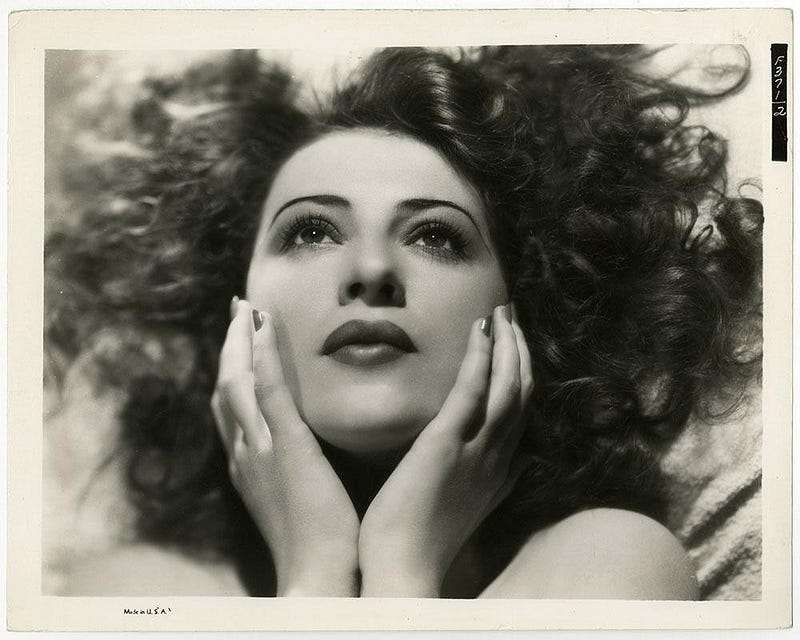
“You don’t have to be naked to look naked, you just have to think naked.” — Gypsy Rose Lee
Fall down the rabbit hole . . .
#9: Jimmy Carter on Quiet Strength
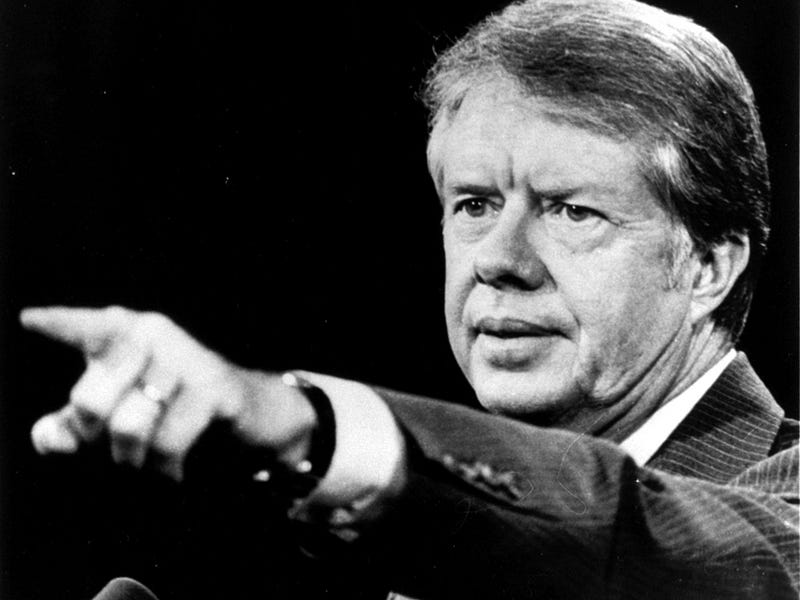
“A strong nation, like a strong person, can afford to be gentle, firm, thoughtful, and restrained. It can afford to extend a helping hand to others. It’s a weak nation, like a weak person, that must behave with bluster and boasting and rashness and other signs of insecurity.” — Jimmy Carter
Fall down the rabbit hole . . .
#10: Sinclair Lewis on Whether it Can Happen Here
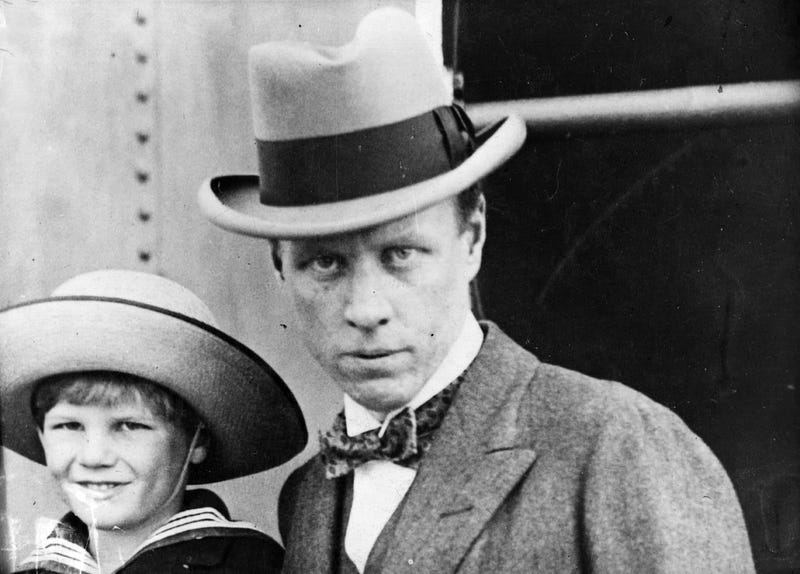
“But he saw too that in America the struggle was befogged by the fact that the worst Fascists were they who disowned the word ‘Fascism’ and preached enslavement to Capitalism under the style of Constitutional and Traditional Native American Liberty.” — Sinclair Lewis, It Can’t Happen Here
#11: Oscar Wilde on Aesthetics
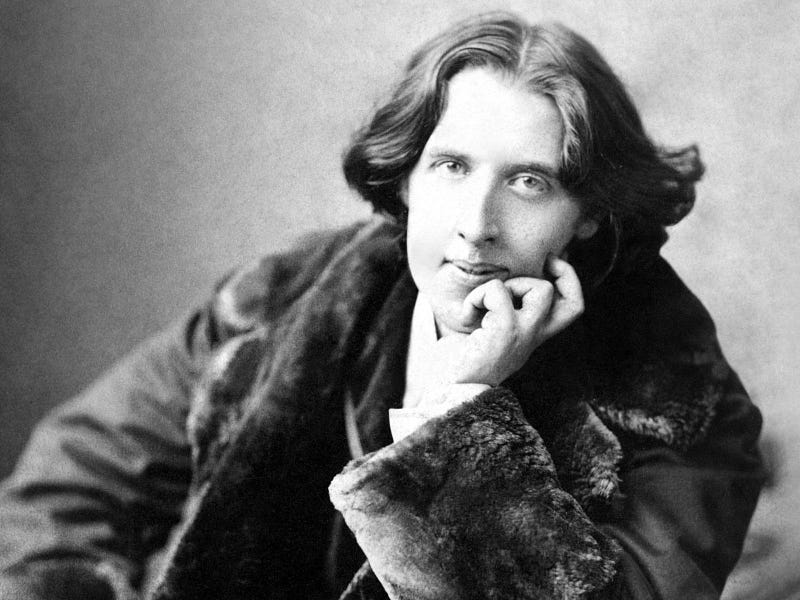
“We are all in the gutter, but some of us are looking at the stars.” — Oscar Wilde, Lady Windermere’s Fan
#12: Johnny Cash on Persistence
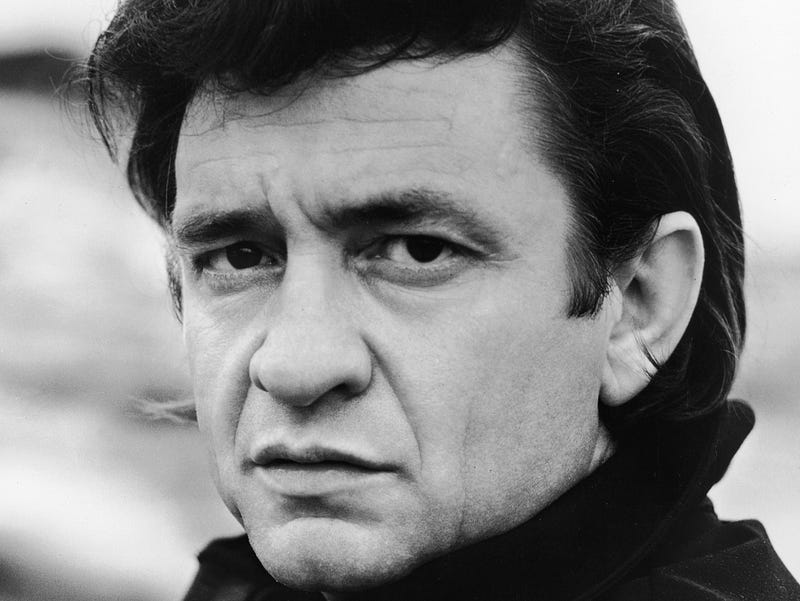
“You can ask the people around me. I don’t give up. I don’t give up… and it’s not out of frustration and desperation that I say I don’t give up. I don’t give up because I don’t give up. I don’t believe in it.” — Johnny Cash
#13: George Washington on Freedom of Speech
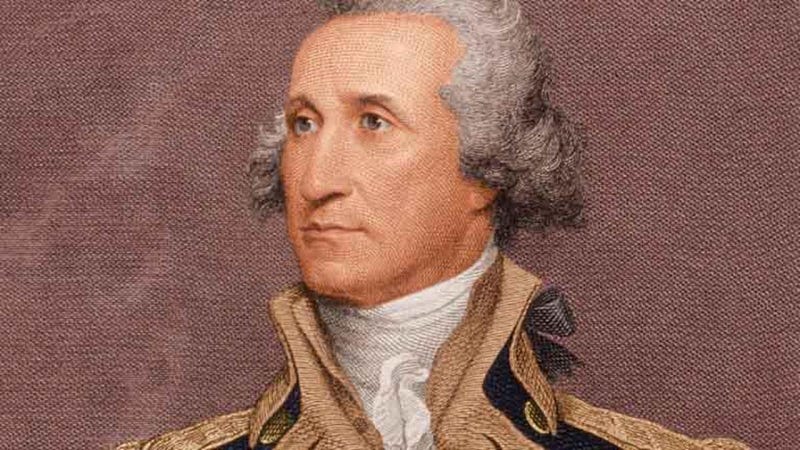
“If the freedom of speech is taken away then dumb and silent we may be led, like sheep to the slaughter.” — George Washington, The Newburgh Address
#14: Coco Chanel on Speaking Up

“The most courageous act is still to think for yourself. Aloud.” — Coco Chanel, as quoted in Believing in Ourselves by Armand Eisen
#15: Emily Dickinson on Poetry
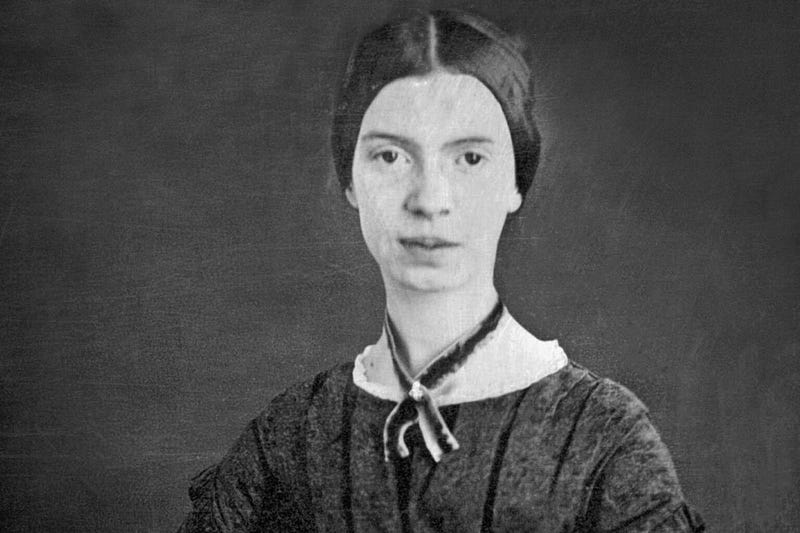
“If I read a book [and] it makes my whole body so cold no fire can ever warm me, I know that is poetry. If I feel physically as if the top of my head were taken off, I know that is poetry. These are the only ways I know it. Is there any other way?” — Emily Dickinson, Letter to Thomas Wentworth Higginson (1870) in The Letters of Emily Dickinson
#16: Twyla Tharp on Audacity

“I had always seen myself as a star; I wanted to be a galaxy.” — Twyla Tharp
#17: Louisa May Alcott on Reaching
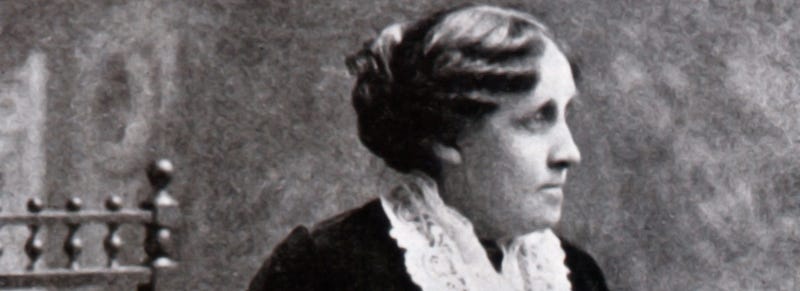
“Far away in the sunshine are my highest aspirations. I may not reach them, but I can look up and see their beauty, believe in them, and try to follow where they lead.” — Louisa May Alcott, as quoted in Elbert Hubbard’s Scrap Book
#18: Mary Oliver on Life

“Tell me, what is it you plan to do with your one wild and precious life?” ― Mary Oliver
#19: Martin Luther King, Jr. on Loving your Enemies
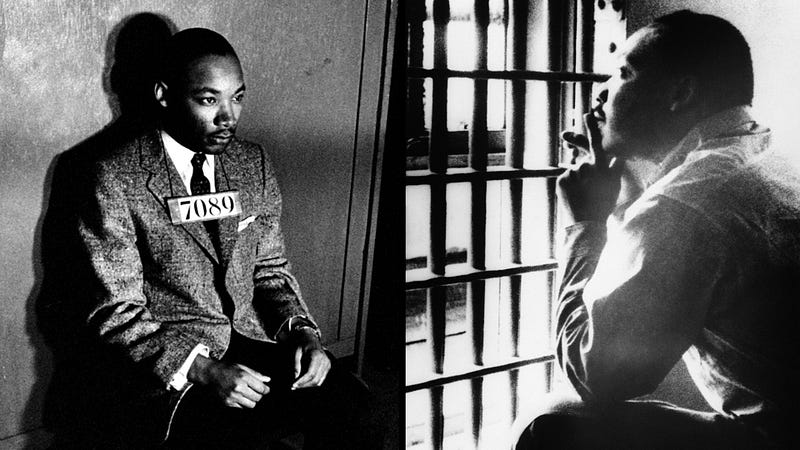
“Darkness cannot drive out darkness; only light can do that. Hate cannot drive out hate; only love can do that.” — Martin Luther King, Jr. in his speech, Loving Your Enemies.
#20: Jack London on Keeping a Notebook
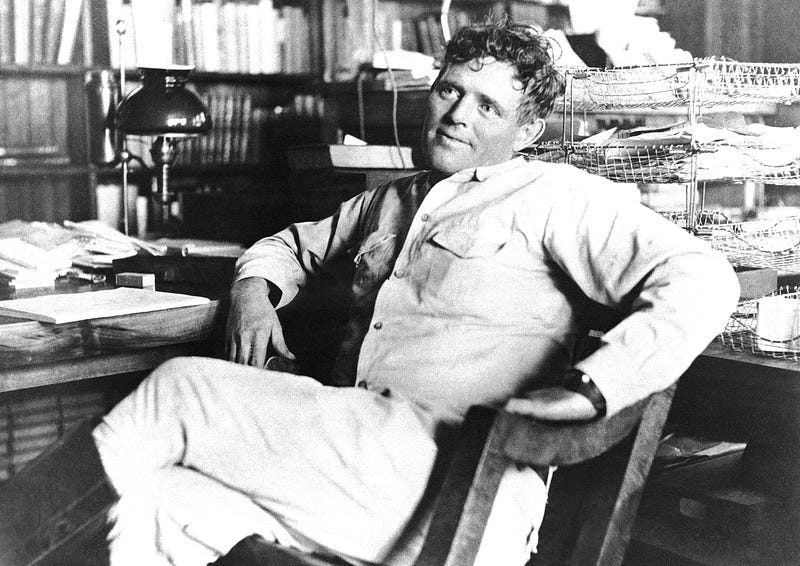
“Keep a notebook. Travel with it, eat with it, sleep with it. Slap into it every stray thought that flutters up in your brain. Cheap paper is less perishable than gray matter, and lead pencil markings endure longer than memory.” — Jack London
#21: C.S. Lewis on Writing What you Want to Read.
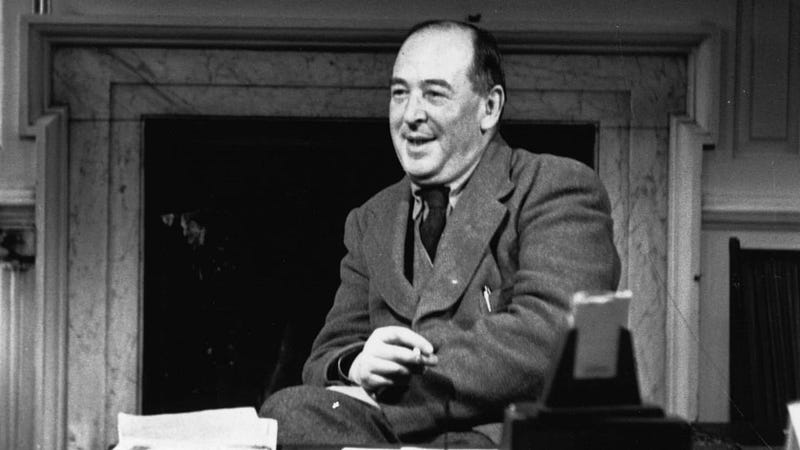
“I wrote the books I should have liked to read. That’s always been my reason for writing. People won’t write the books I want, so I have to do it for myself.” — C.S. Lewis, as quote in C.S. Lewis by Roger Lancelyn Green
#22: Octavia Butler on Talent
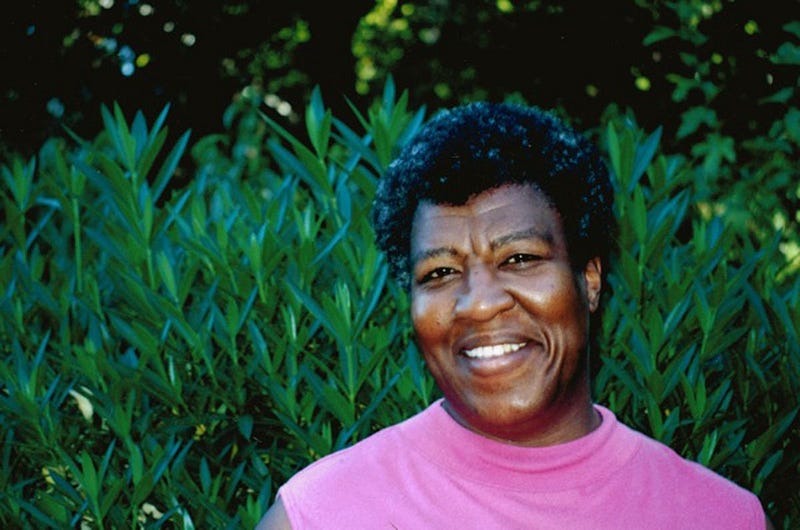
“Forget talent. If you have it, fine. Use it. If you don’t have it, it doesn’t matter. As habit is more dependable than inspiration, continued learning is more dependable than talent.” — Octavia Butler, Blood Child: and Other Stories
#23: Amelia Earhart on Tenacity
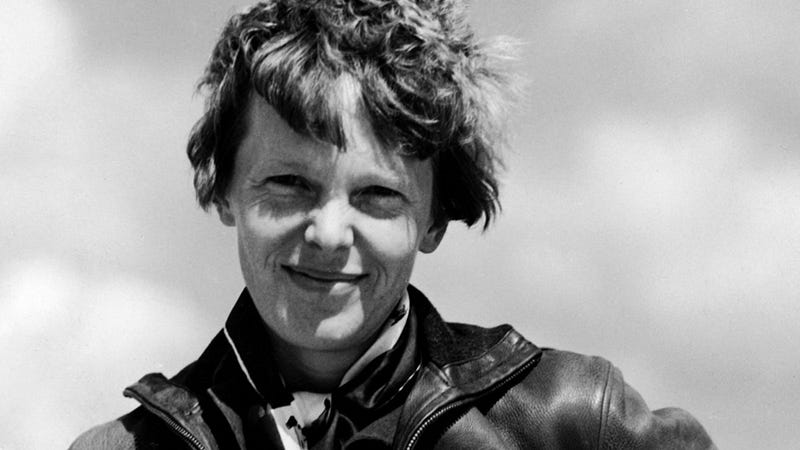
“The most difficult thing is the decision to act. The rest is merely tenacity. The fears are paper tigers. You can do anything you decide to do. You can act to change and control your life; and the procedure, the process is its own reward.” — Amelia Earhart
#24: Stan Lee on Heroes
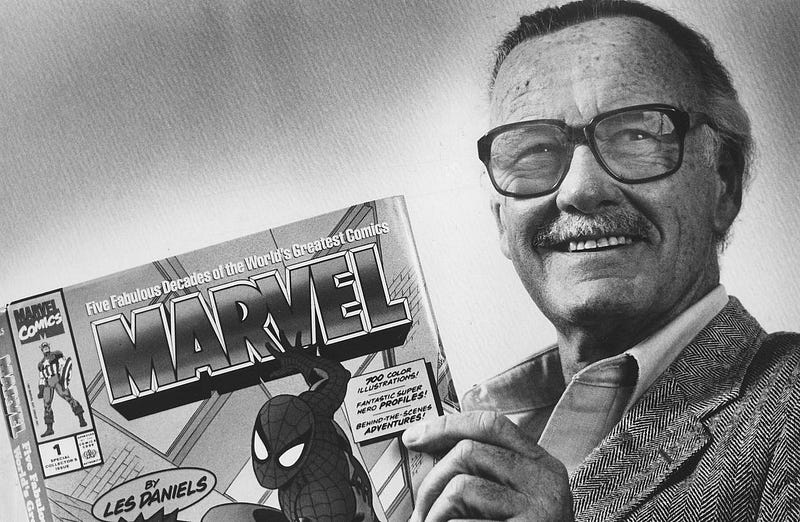
“That person who helps others simply because it should or must be done, and because it is the right thing to do, is indeed without a doubt, a real superhero.” — Stan Lee, in an interview with CyberSpacers.
#25: Edith Wharton on Habits
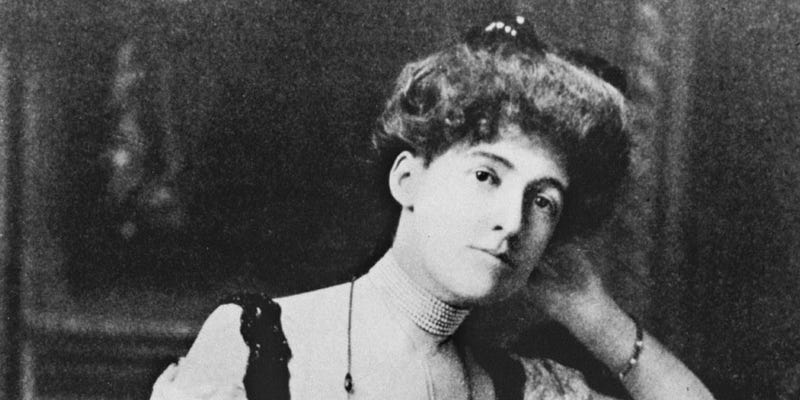
Habit is necessary; it is the habit of having habits, of turning a trail into a rut, that must be incessantly fought against if one is to remain alive. — Edith Wharton, A Backward Glance
#26: John F. Kennedy on Television
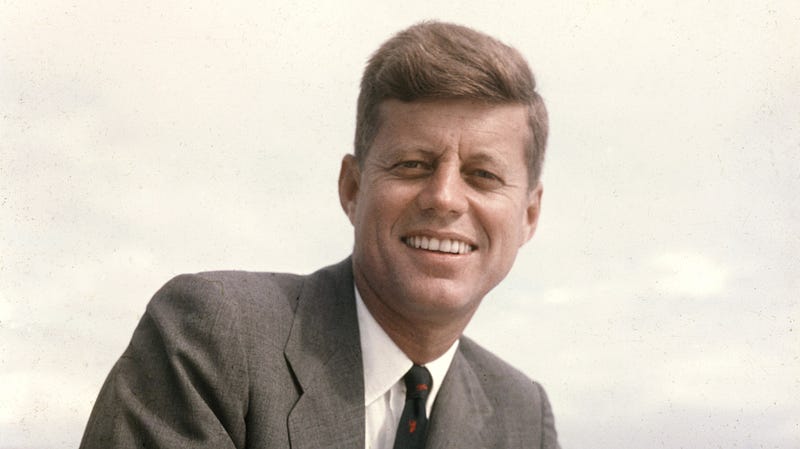
“But political success on television is not, unfortunately, limited only to those who deserve it. It is a medium which lends itself to manipulation, exploitation and gimmicks. It can be abused by demagogs, by appeals to emotion and prejudice and ignorance.” — John F. Kennedy, in Reader’s Digest magazine, as quoted in The Atlantic.
#27: Philip Pullman on Reading
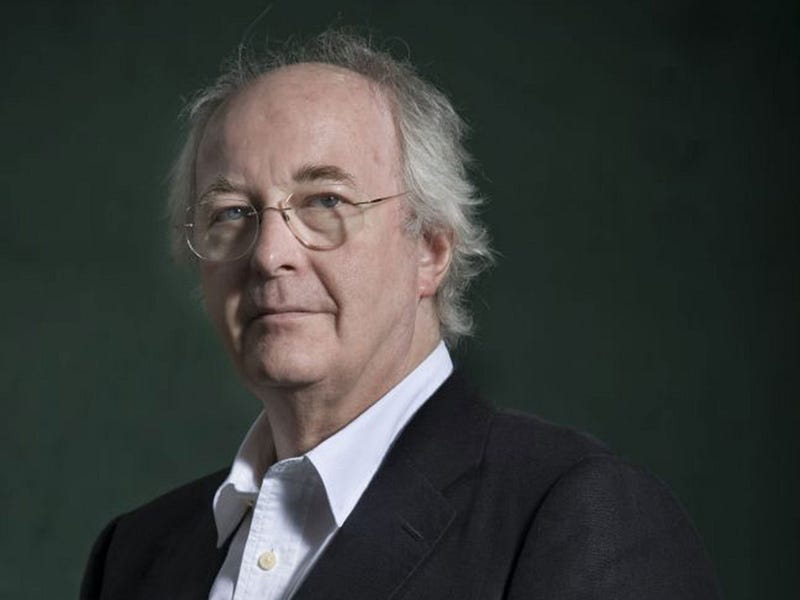
“When I’m reading, I’m looking for something to steal. Readers ask me all the time the traditional question ‘Where do you get your ideas from?” I reply: ‘We are all having ideas all the time. But I’m on the lookout for them. You’re not.’” — Philip Pullman
#28: Jonathon Larson on Creation
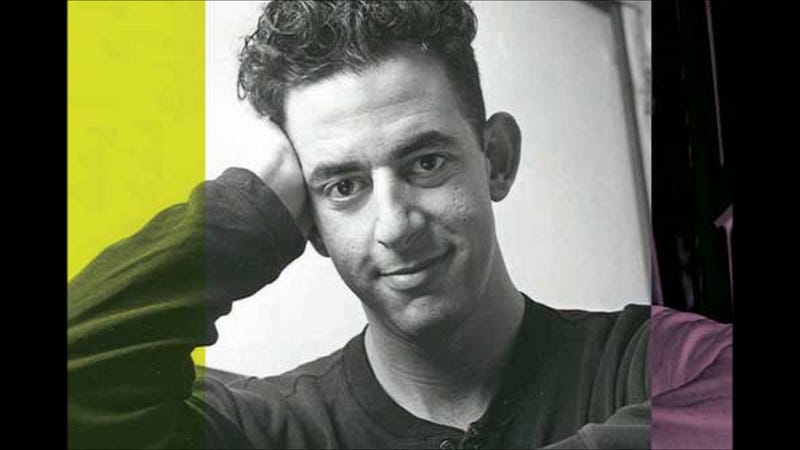
“The opposite of war isn’t peace. It’s creation.” — Jonathon Larson, Rent (La Vie Boheme)
#29: Colette on Growing Old
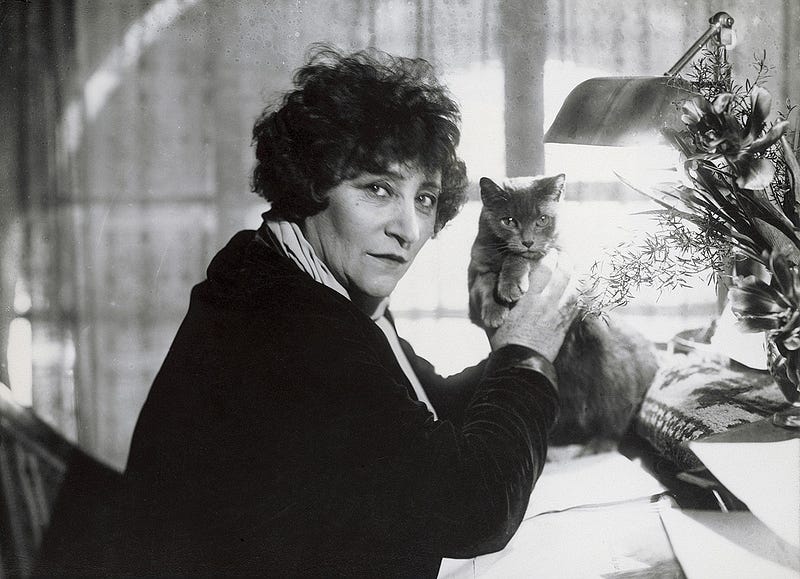
“You must not pity me because my sixtieth year finds me still astonished. To be astonished is one of the surest ways of not growing old too quickly.” — Colette, Speech on being elected to the Belgian Academy
#30: Anton Chekhov on Plants and Payoffs
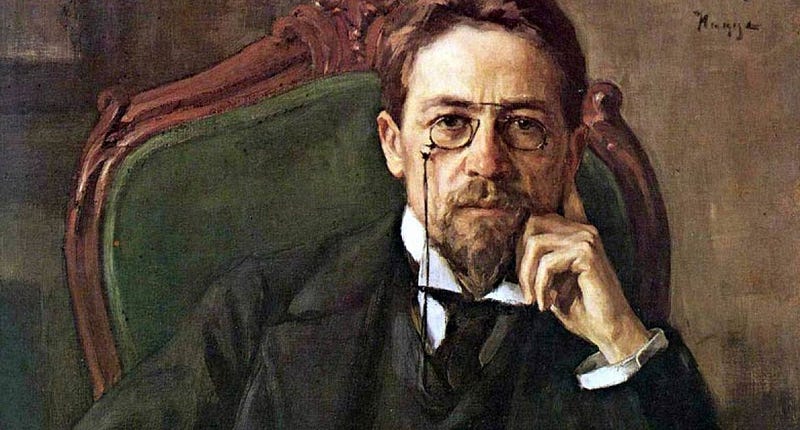
“If in the first act you have hung a pistol on the wall, then in the following one it should be fired. Otherwise don’t put it there.” — Anton Chekhov, also known as Chekhov’s Gun.
#31: Jackie Robinson on Integrity
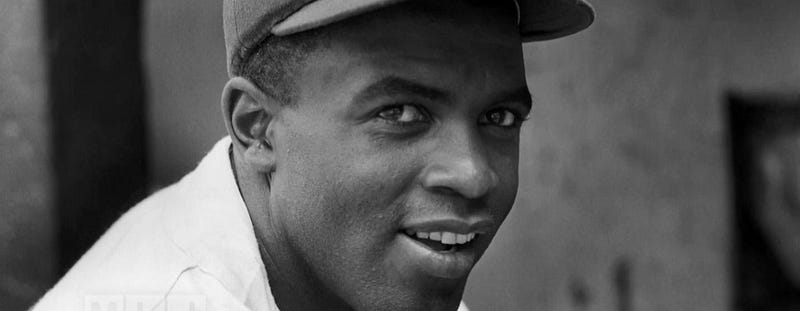
“It would make everything I worked for meaningless if baseball is integrated but political parties were segregated.” — Jackie Robinson
#32 Langston Hughes on Being Saved by Books
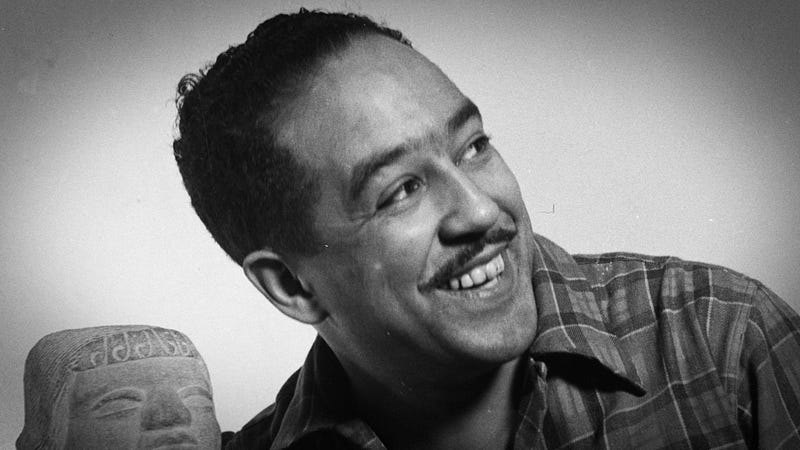
“I was unhappy for a long time, and very lonesome, living with my grandmother. Then it was that books began to happen to me, and I began to believe in nothing but books and the wonderful world in books — where if people suffered, they suffered in beautiful language, not in monosyllables, as we did in Kansas.” — Langston Hughes, The Big Sea
#33: Ayn Rand on Objectivism
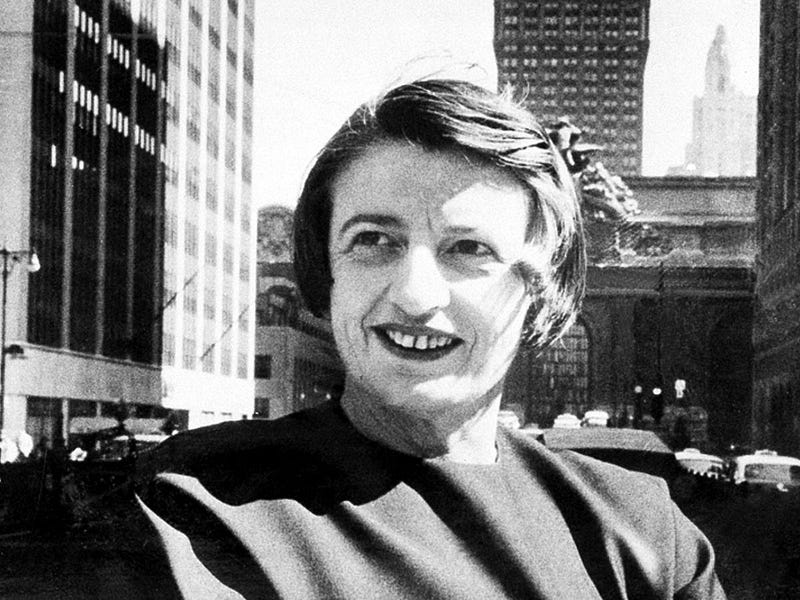
“Do not let your fire go out, spark by irreplaceable spark in the hopeless swamps of the not-quite, the not-yet, and the not-at-all. Do not let the hero in your soul perish in lonely frustration for the life you deserved and have never been able to reach. The world you desire can be won. It exists.. it is real.. it is possible.. it’s yours.” — Ayn Rand, Atlas Shrugged
#34: Cher on work ethic
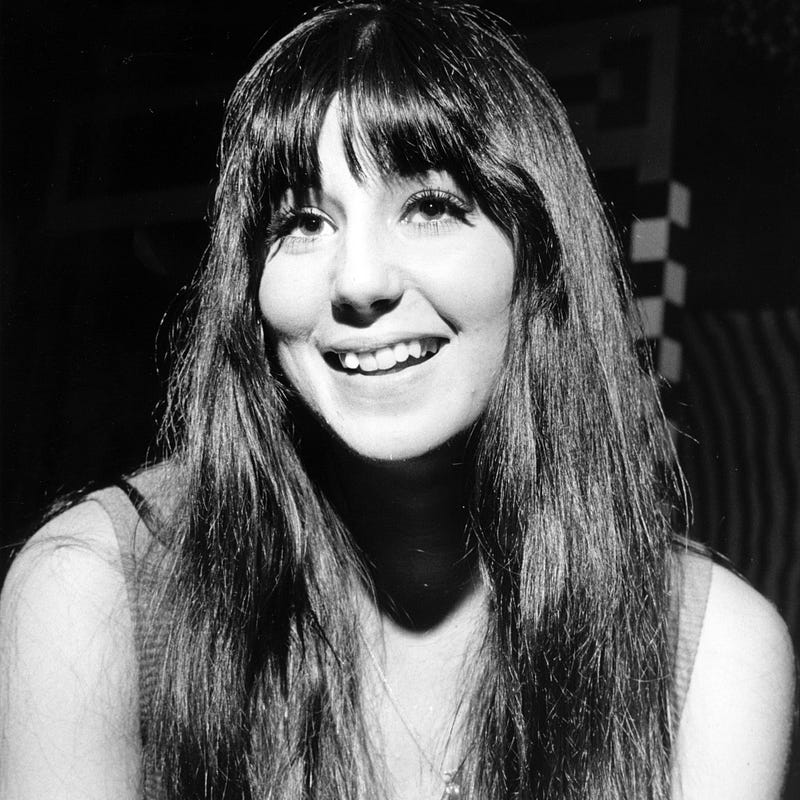
“Work helps me a lot. I enjoy the work, but the work keeps you moving as well. It just keeps you moving, it keeps you around people. You don’t get a chance to go, ‘Oh, what’s life about? You’re just doing something. You’re being productive.” — Cher, In a 2008 interview with Nightline
#35: Kareem Abdul-Jabbar on work ethic
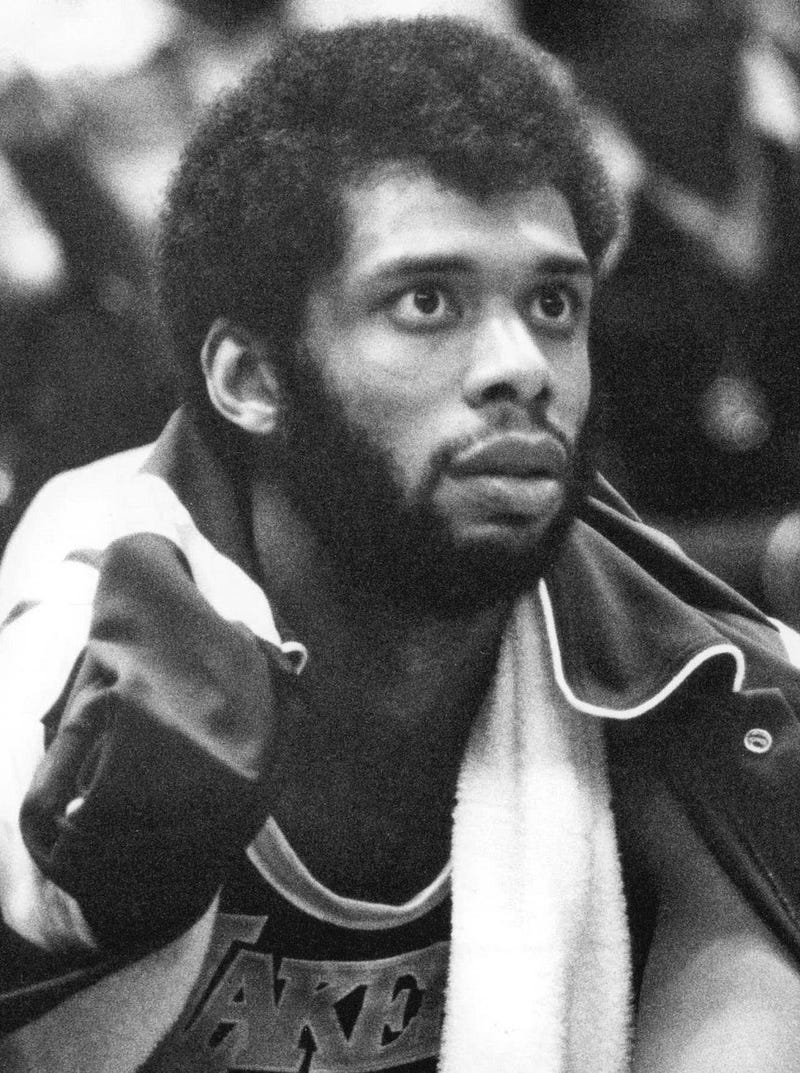
“My mother always emphasized that hard work was necessary to achieve your goals, while my father proved the value of repetition in mastering a skill.” — Kareem Abdul-Jabbar, Coach Wooden and Me
#36: Truman Capote on Writing as Art
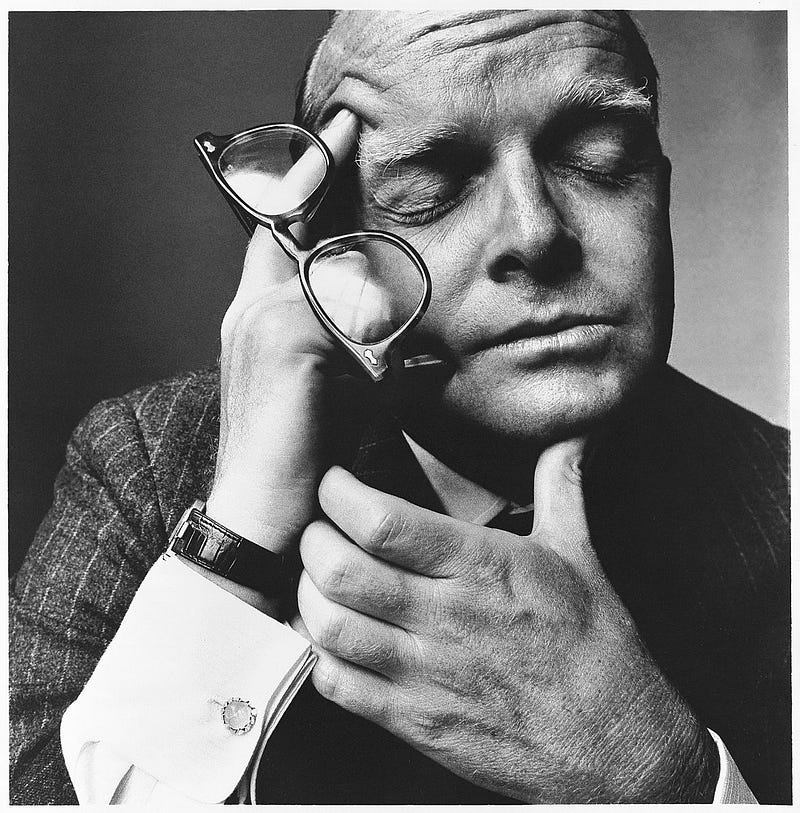
“Work is the only device I know of .Writing has laws of perspective, of light and shade, just as painting does, or music. If you are born knowing them, fine. If not, learn them. Then rearrange the rules to suit yourself.” — Truman Capote, The Paris Review, 1957
#37: P.T. Barnum on Entertainment
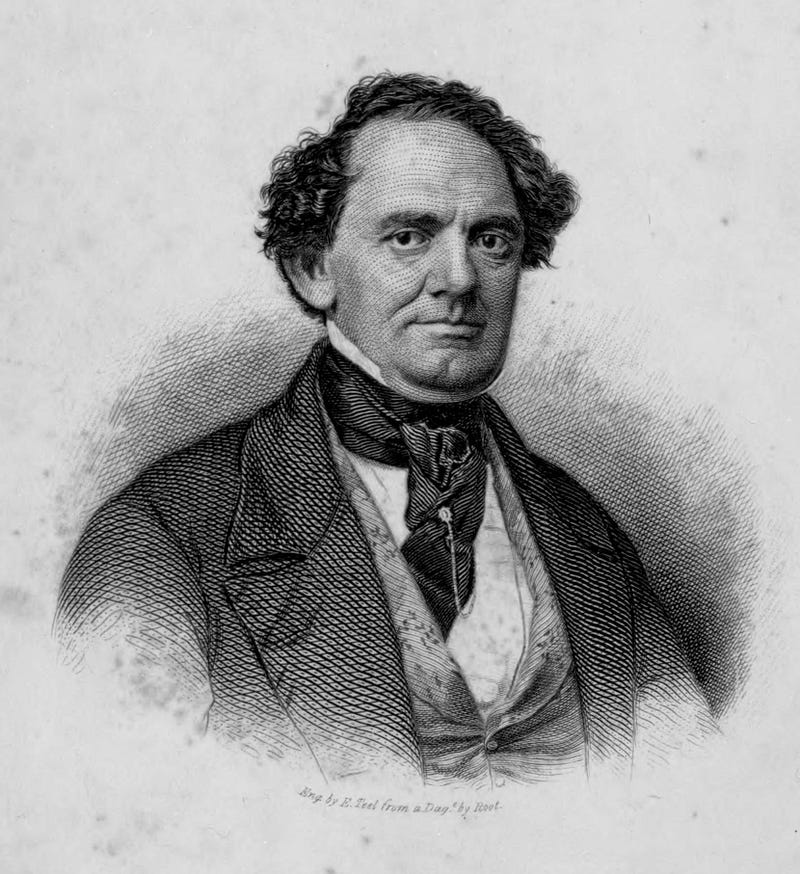
“The public appears disposed to be amused even when they are conscious of being deceived.” — P.T. Barnum, The Life of P.T. Barnum.
#38: Agatha Christie on Life
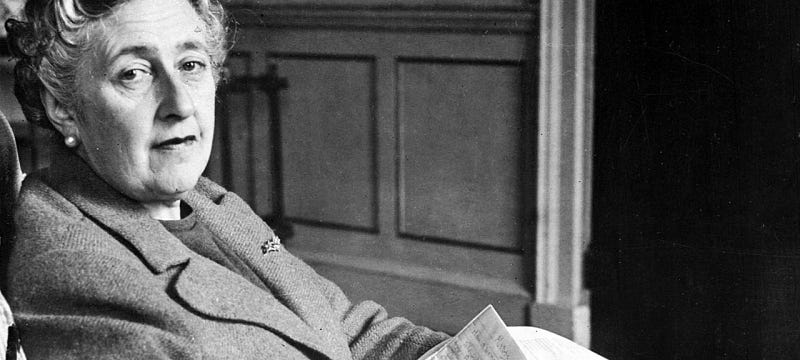
“I like living. I have sometimes been wildly despairing, acutely miserable, racked with sorrow, but through it all I still know quite certainly that just to be alive is a grand thing.” — Agatha Christie, An Autobiography
#39: William Goldman on Story Origins
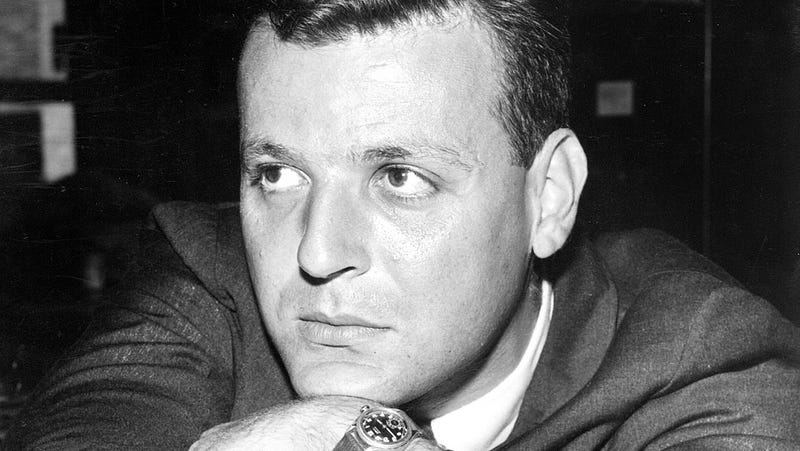
“I had two little daughters — I think they were 7 and 4 at the time — and I said, ‘I’ll write you a story. What do you want it to be about?’ One of them said ‘a princess’ and the other one said ‘a bride.’ I said, ‘That’ll be the title.’” — William Goldman, The Princess Bride: An Oral History
#40: Guillermo del Torro on Monsters
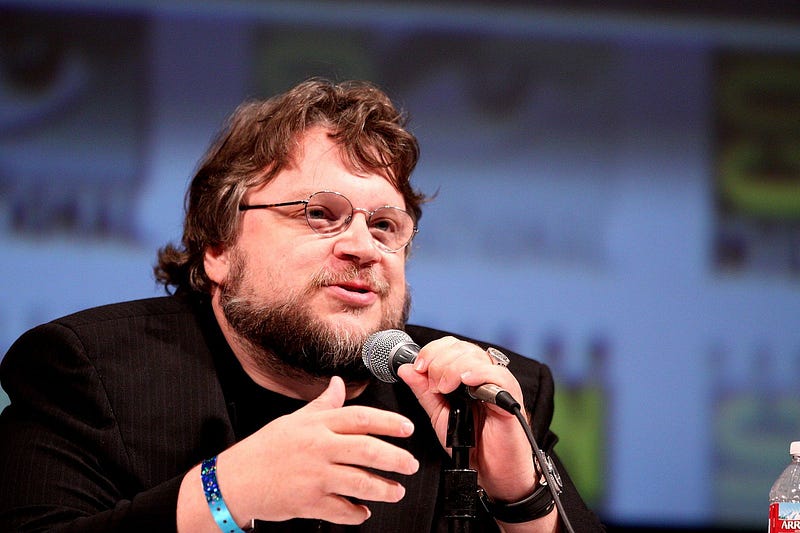
Monsters are evangelical creatures for me. When I was a kid, monsters made me feel that I could fit somewhere, even if it was… an imaginary place where the grotesque and the abnormal were celebrated and accepted. — Guillermo del Toro, in Vanity Fair.
#41: George R.R. Martin on Self-Doubt
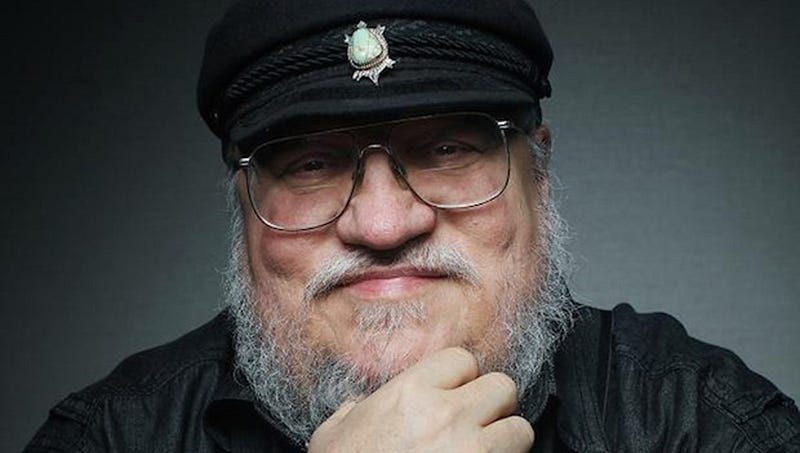
“Boy, there are days where I get up and say ‘Where the hell did my talent go? Look at this crap that I’m producing here. This is terrible. Look, I wrote this yesterday. I hate this, I hate this.’” — George R.R. Martin, The Observation Deck
#42: T.H. White on Learning
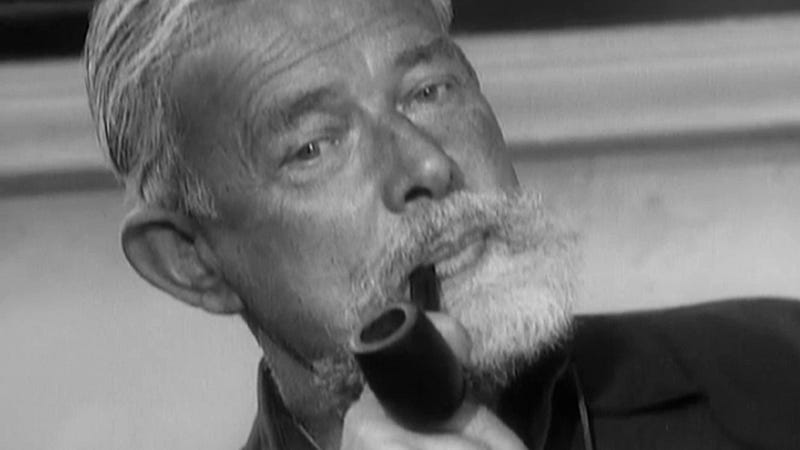
“Learn why the world wags and what wags it. That is the only thing which the mind can never exhaust, never alienate, never be tortured by, never fear or distrust, and never dream of regretting. Learning is the only thing for you. Look what a lot of things there are to learn.” — T.H. White, The Once and Future King
#43: Ron Perlman on Saying Yes
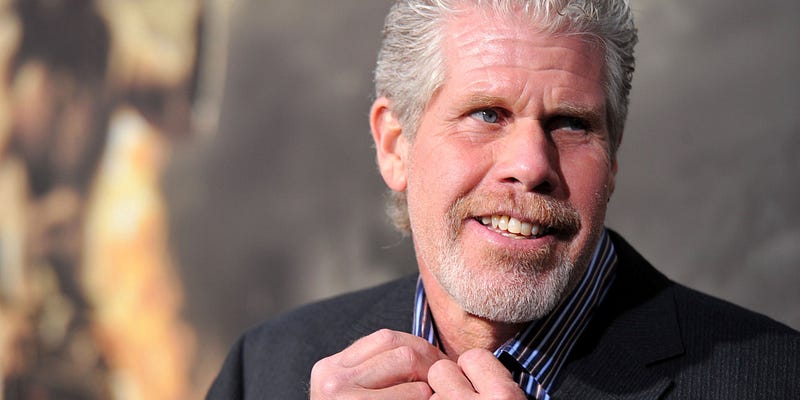
“I say yes to almost anything that comes my way.” — Ron Perlman, The AV Club
#44: Kurt Sutter on What to Write

“Write what excites your imagination not your wallet. Find something that inspires you, that makes you feel something, that pushes your primal buttons” — Kurt Sutter, Sutterink.
#45: Howard Pyle on the Importance of Stories
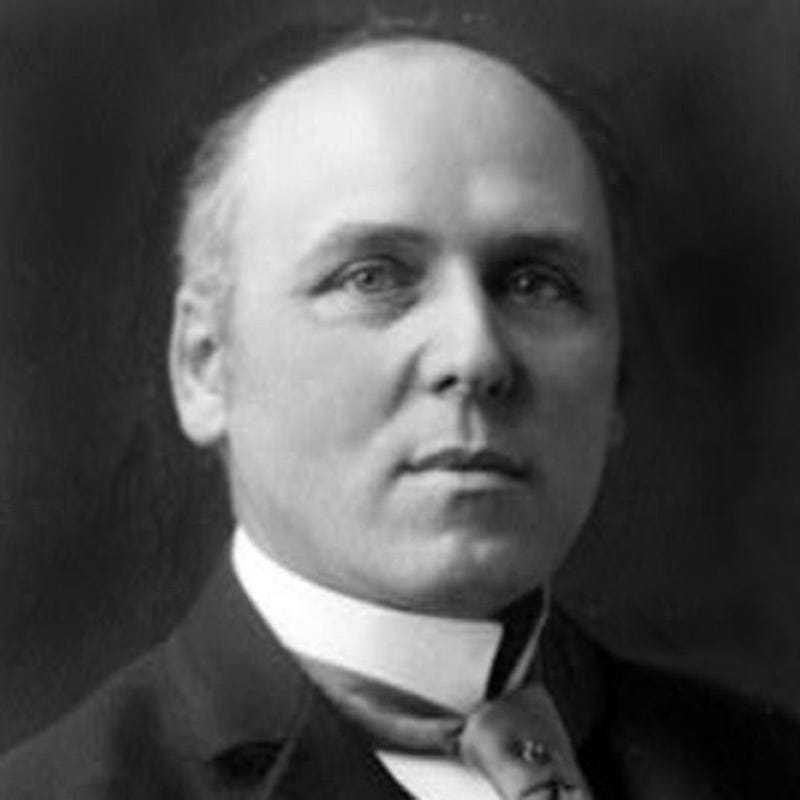
“The stories of childhood leave an indelible impression, and their author always has a niche in the temple of memory from which the image is never cast out to be thrown on the rubbish heap of things that are outgrown and outlived.” — Howard Pyle
#46: Helen Keller on Reading

“Literature is my Utopia. Here I am not disenfranchised. No barrier of the senses shuts me out from the sweet, gracious discourse of my book friends. They talk to me without embarrassment or awkwardness.” — Helen Keller, The Story of My Life
#47: Kurt Cobain on Selling Out
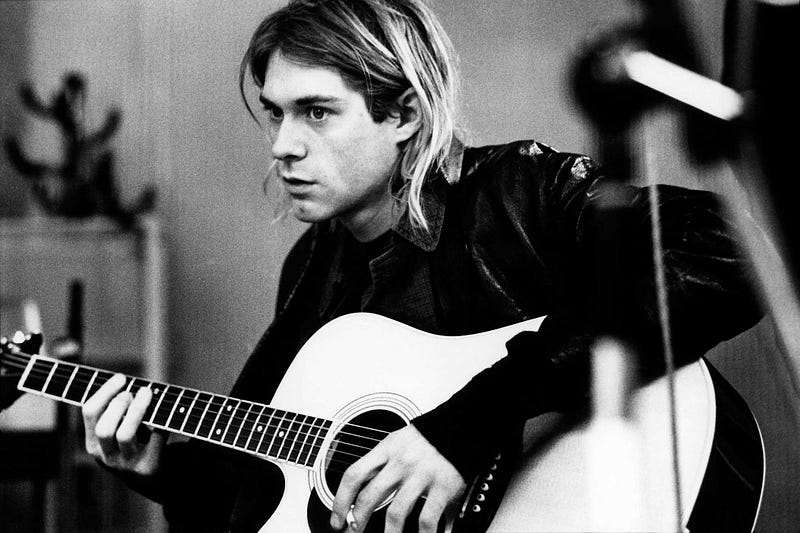
“I don’t blame the average seventeen-year-old punk-rock kid for calling me a sellout. I understand that. And maybe when they grow up a little bit, they’ll realize there’s more things to life than living out your rock & roll identity so righteously.” — Kurt Cobain, Rolling Stone
#48: John Green on the Reader/Writer Relationship
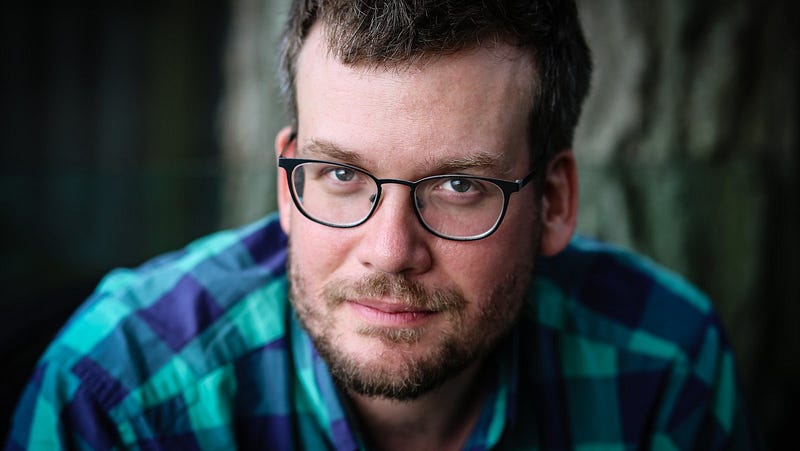
“I know that books seem like the ultimate thing that’s made by one person, but that’s not true. Every reading of a book is a collaboration between the reader and the writer who are making the story up together.” — John Green
Fall down the rabbit hole . . .
#49: Diablo Cody on Screenwriting

“The fact is, when I wrote Juno — and I think this is part of its charm and appeal — I didn’t know how to write a movie.” — Diablo Cody, Writer’s Digest
Fall down the rabbit hole . . .
#50: Harper Lee on What You Know Before You’re Published
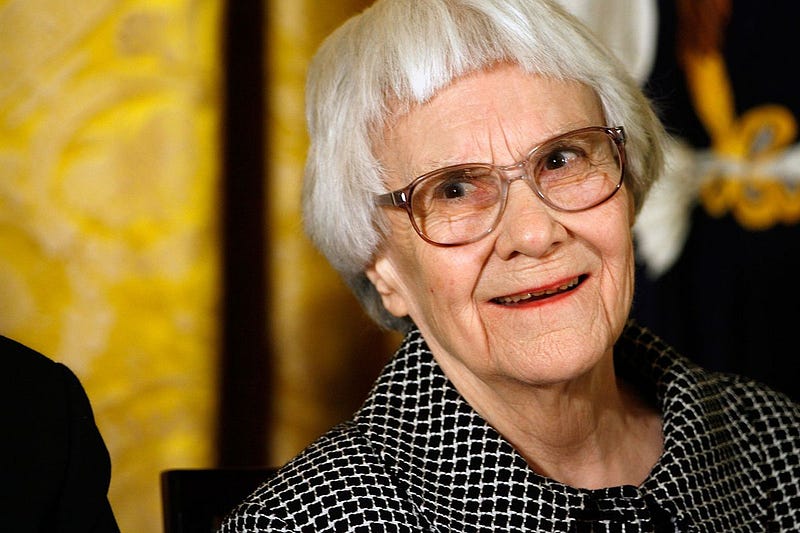
“I never expected any sort of success with ‘Mockingbird’… I sort of hoped someone would like it enough to give me encouragement.” — Harper Lee in an interview with Roy Newquist.
Fall down the rabbit hole . . .
#51: Zelda Fitzgerald on Her Words
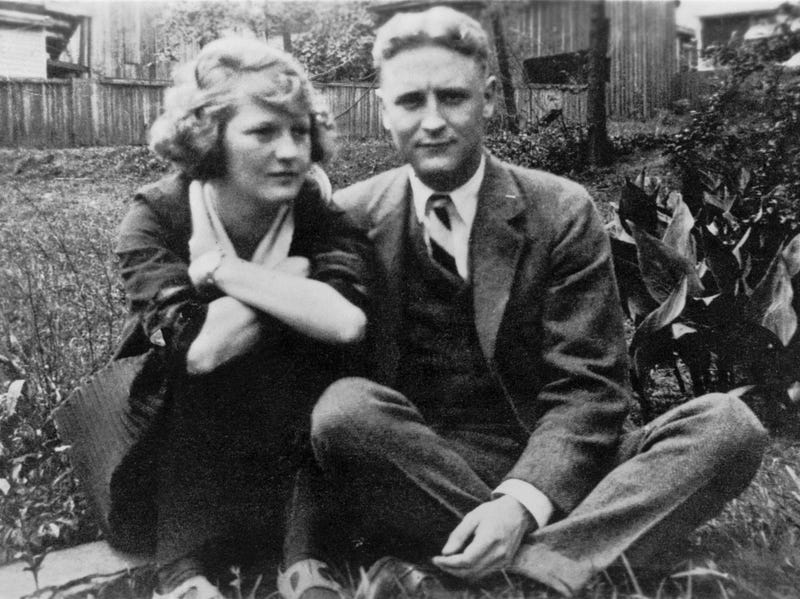
“It seems to me that on one page I recognized a portion of an old diary of mine which mysteriously disappeared shortly after my marriage, and, also, scraps of letters which, though considerably edited, sound to me vaguely familiar. In fact, Mr. Fitzgerald — I believe that is how he spells his name — seems to believe that plagiarism begins at home.” — Zelda Fitzgerald, The New York Tribune
Fall down the rabbit hole . . .
#52: Mary Shelley on Daydreaming
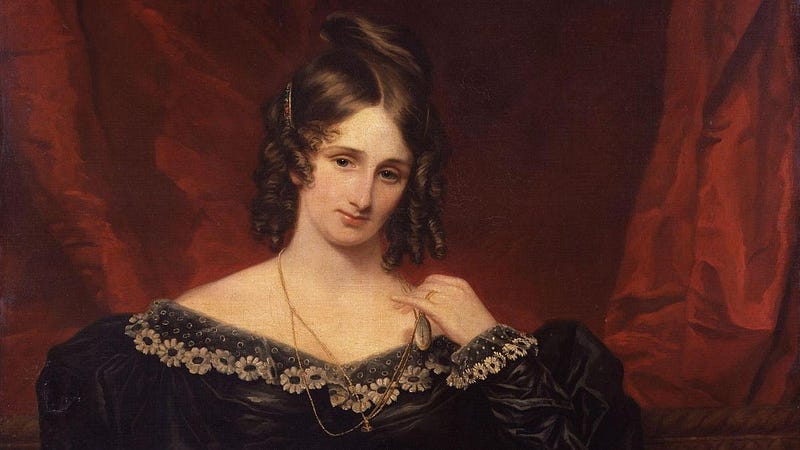
“As a child I scribbled; and my favourite pastime, during the hours given me for recreation, was to “write stories.” Still I had a dearer pleasure than this, which was the formation of castles in the air — the indulging in waking dreams — the following up trains of thought, which had for their subject the formation of a succession of imaginary incidents. My dreams were at once more fantastic and agreeable than my writings.” — Mary Shelley, in the introduction to the 1831 edition of Frankenstein
Fall down the rabbit hole . . .
#53: Lee Radziwill on being Jackie Kennedy’s Sister
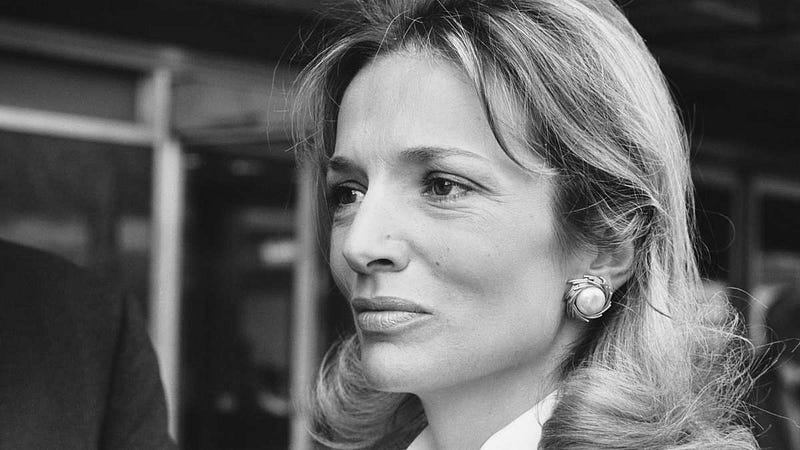
“I’m nobody’s kid sister. I think it’s time to make up a new story or go to bed.” — Lee Radziwill, People
Fall down the rabbit hole . . .
#54: Chuck Palahniuk on Life
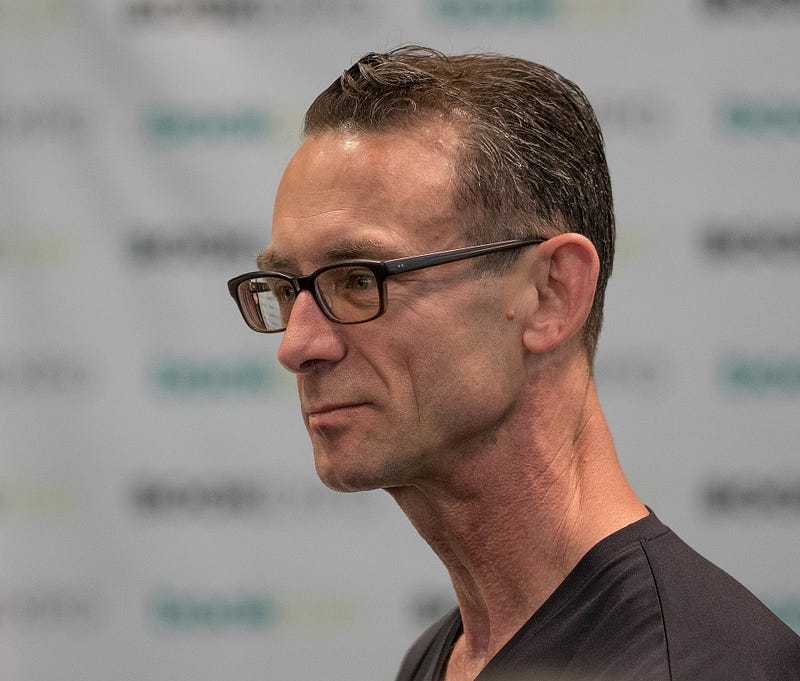
“If you knew that your life was merely a phase or short, short segment of your entire existence, how would you live? Knowing nothing ‘real’ was at risk, what would you do? You’d live a gigantic, bold, fun, dazzling life. You know you would.” — Chuck Palahniuk, The AV Club
Fall down the rabbit hole . . .
#55: Pink on Imposter Syndrome
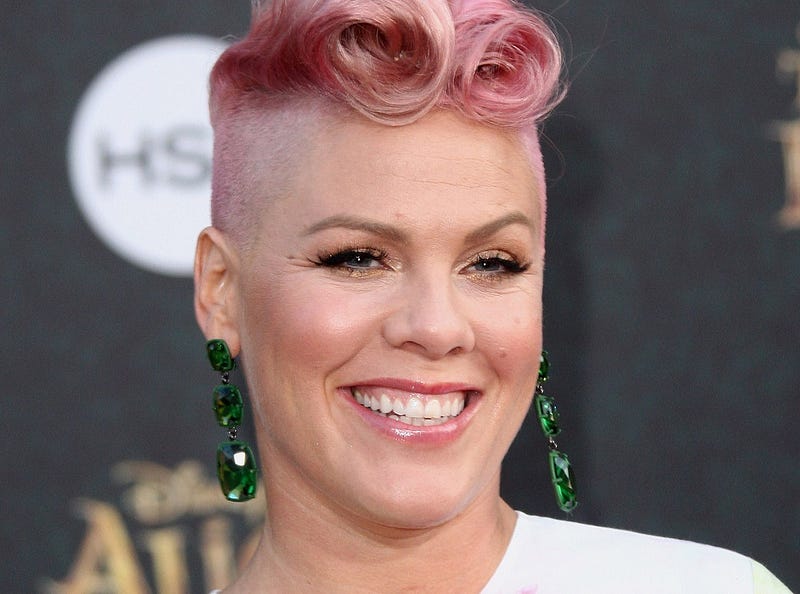
“Every album, I’m worried that I’m a dork and a fraud — ‘What if I can’t sing anymore?’ Then I stop thinking an start playing guitar, and I realize that it’s okay to suck, and move forward. Then it clicks and I’m like, ‘I’m fucking awesome!’” — Pink, Rolling Stone
Fall down the rabbit hole . . .
#56: Stephen King on Money
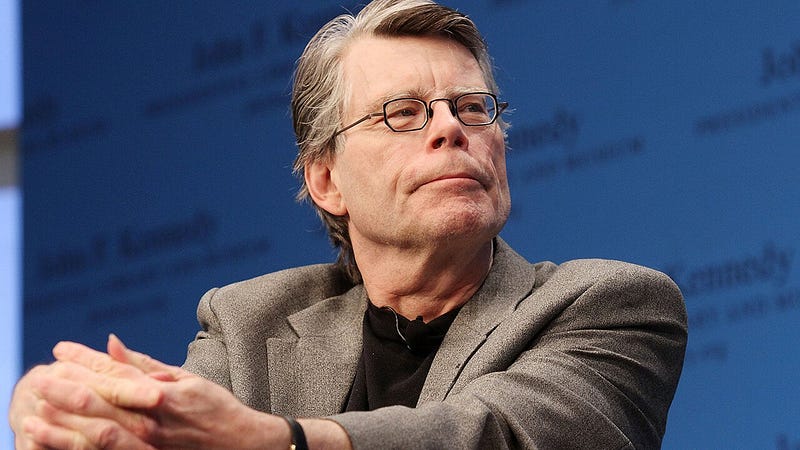
“Like anything else that happens on its own, the act of writing is beyond currency. Money is great stuff to have, but when it comes to the act of creation, the best thing is not to think of money too much. It constipates the whole process.”
Fall down the rabbit hole . . .
#57: Ted Kaczynski on Forgetting
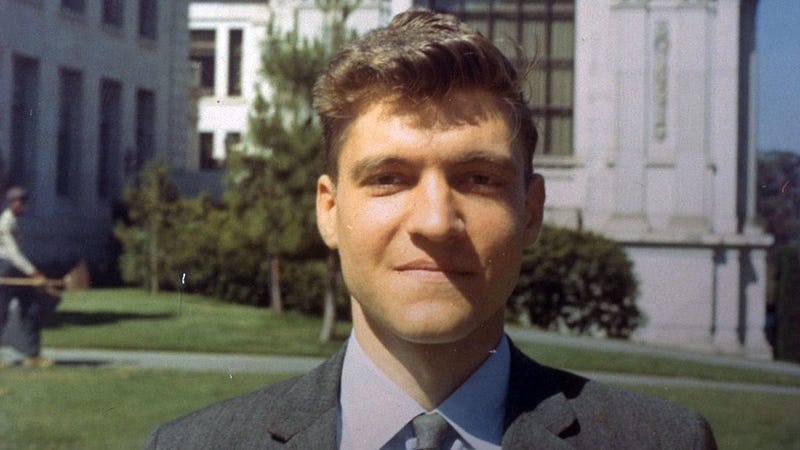
“No, what worries me is that I might in a sense adapt to this environment and come to be comfortable here and not resent it anymore. And I am afraid that as the years go by that I may forget, I may begin to lose my memories of the mountains and the woods and that’s what really worries me, that I might lose those memories, and lose that sense of contact with wild nature in general. But I am not afraid they are going to break my spirit.”
Fall down the rabbit hole . . .
#58: Sylvia Plath on People
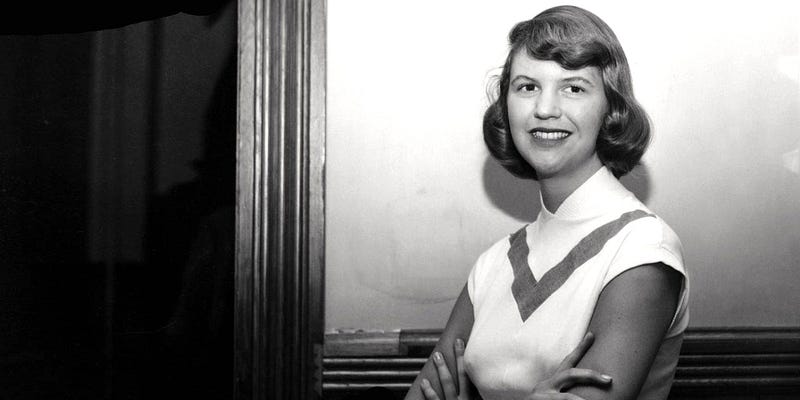
“I love people. Everybody. I love them, I think, as a stamp collector loves his collection. Every story, every incident, every bit of conversation is raw material for me. My love’s not impersonal yet not wholly subjective either. I would like to be everyone, a cripple, a dying man, a whore, and then come back to write about my thoughts, my emotions, as that person. But I am not omniscient. I have to live my life, and it is the only one I’ll ever have. And you cannot regard your own life with objective curiosity all the time.”
Fall down the rabbit hole . . .
#59: Robert E. Howard on Civilization
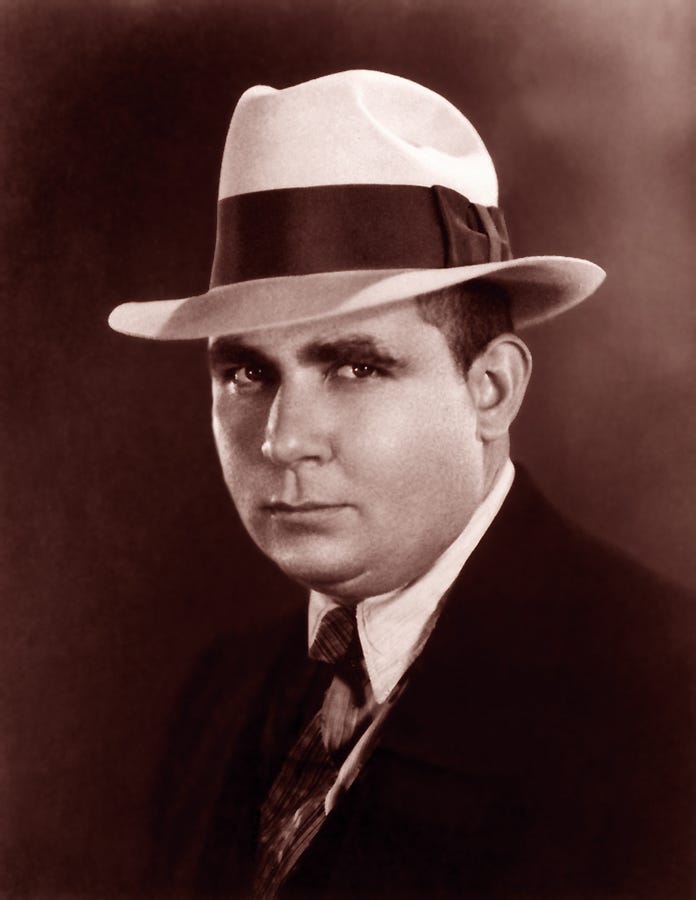
“My characters are more like men than these real men are, see. They’re rough and rude, they got hands and they got bellies. They hate and they lust; break the skin of civilization and you find the ape, roaring and red-handed.”
Fall down the rabbit hole . . .
#60: Neil Gaiman on Stories
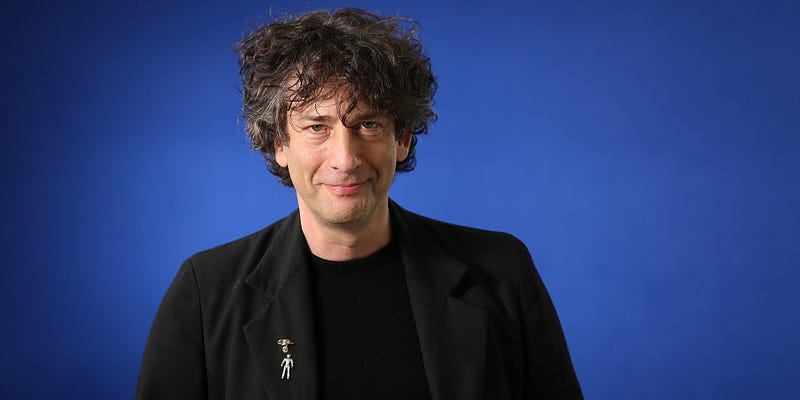
“I believe that stories are incredibly important, possibly in ways we don’t understand, in allowing us to make sense of our lives, in allowing us to escape our lives, in giving us empathy and in creating the world that we live in.”
Fall down the rabbit hole . . .
#61: Ray Bradbury on the Future
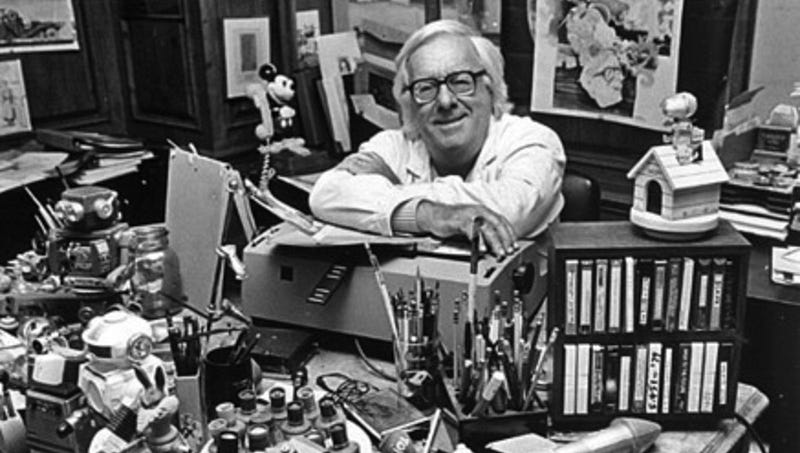
“People ask me to predict the future, when all I want to do is prevent it. Better yet, build it. Predicting the future is much too easy, anyway. You look at the people around you, the street you stand on, the visible air you breathe, and predict more of the same. To hell with more. I want better.”
Fall down the rabbit hole . . .
#62: William Shakespeare on Philosophy
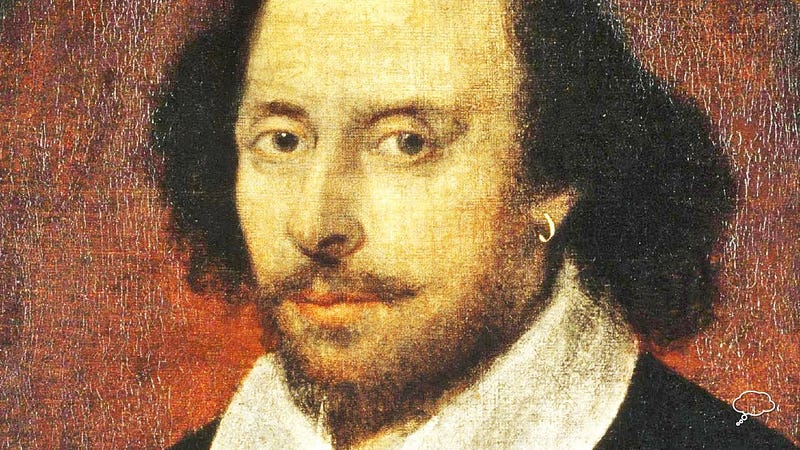
“There are more things in heaven and earth, Horatio, than are dreamt of in your philosophy.”
Fall down the rabbit hole . . .
#63: Albert Einstein on Curiosity
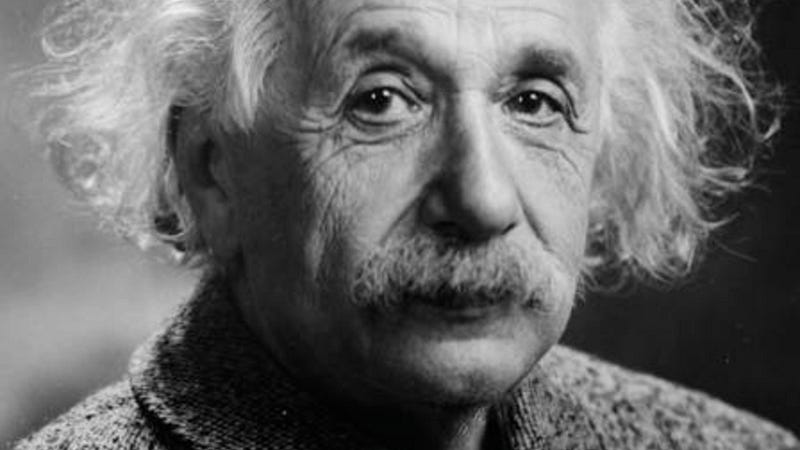
“The important thing is not to stop questioning. Curiosity has its own reason for existing. One cannot help but be in awe when he contemplates the mysteries of eternity, of life, of the marvelous structure of reality. It is enough if one tries merely to comprehend a little of this mystery every day.”
Fall down the rabbit hole . . .
#64: Orson Welles on a Happy Ending
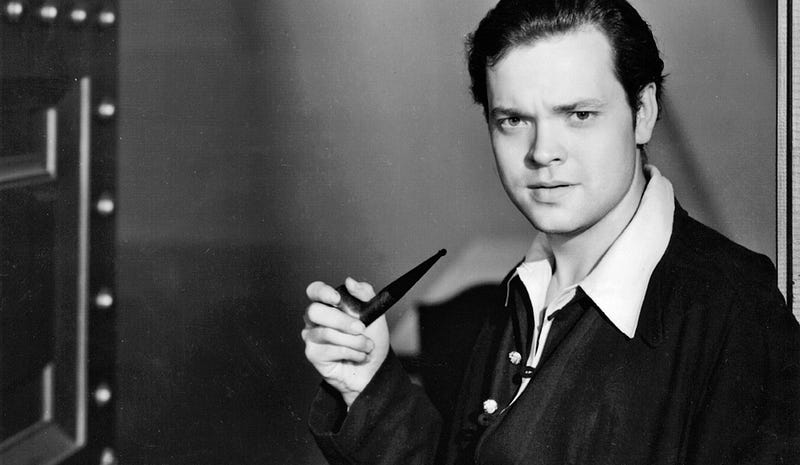
“If you want a happy ending, that depends, of course, on where you stop your story.”
Fall down the rabbit hole . . .
#65: Walt Disney on Curiosity
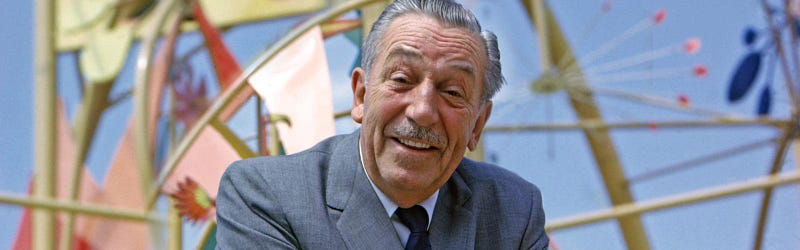
“Around here, however, we don’t look backwards for very long. We keep moving forward, opening up new doors and doing new things, because we’re curious… and curiosity keeps leading us down new paths.”
Fall down the rabbit hole . . .
#66: Marilyn Monroe on Character
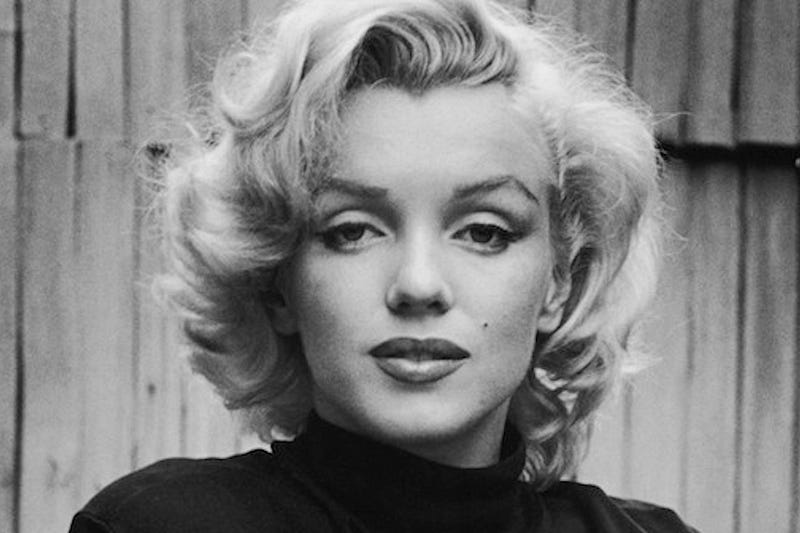
“Please don’t make me a joke. End the interview with what I believe. I don’t mind making jokes, but I don’t want to look like one… I want to be an artist, an actress with integrity… If fame goes by, so long, I’ve had you, fame. If it goes by, I’ve always known it was fickle. So at least it’s something I experienced, but that’s not where I live.”
Fall down the rabbit hole . . .
#67: Enid Bagnold on Writing
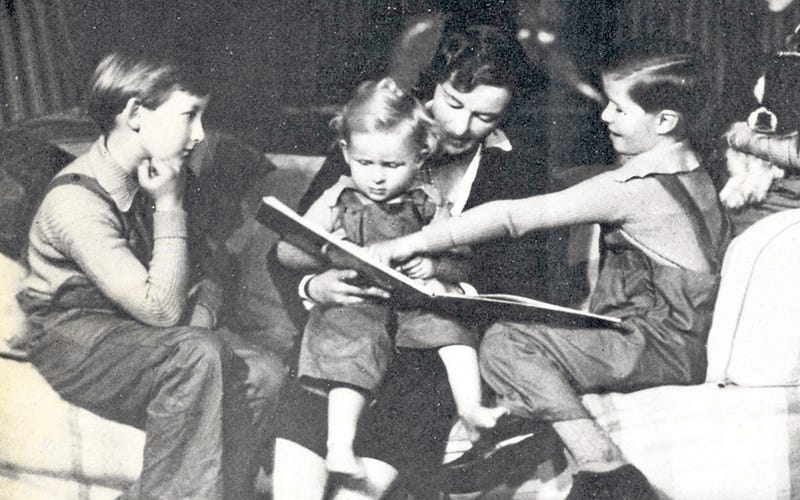
“Who wants to become a writer? And why? Because it’s the answer to everything. … It’s the streaming reason for living. To note, to pin down, to build up, to create, to be astonished at nothing, to cherish the oddities, to let nothing go down the drain, to make something, to make a great flower out of life, even if it’s a cactus.”
Fall down the rabbit hole . . .
#68: L.M. Montgomery on Being Yourself
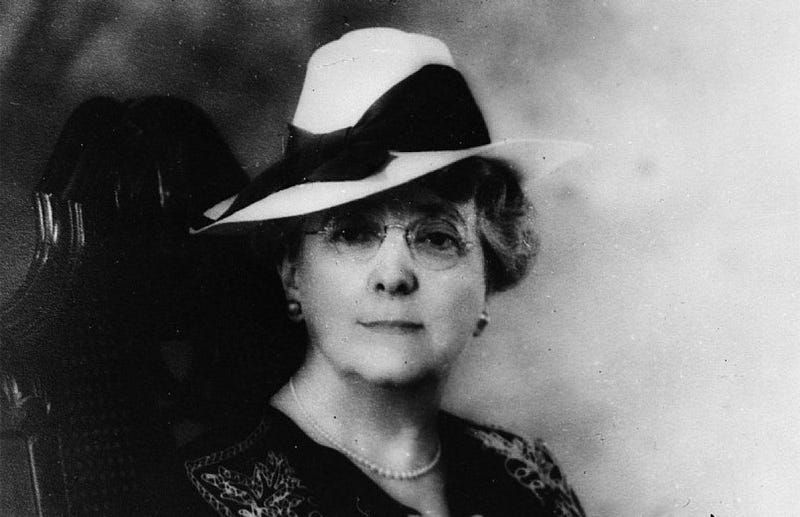
“I’m not a bit changed — not really. I’m only just pruned down and branched out. The real ME — back here — is just the same.”
Fall down the rabbit hole . . .
#69: C.S. Lewis on Re-Reading
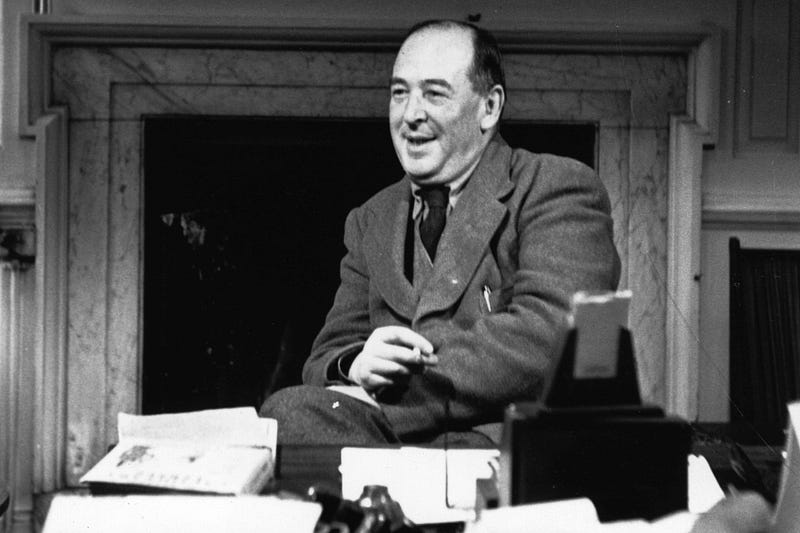
“I can’t imagine a man really enjoying a book and reading it only once.”
Fall down the rabbit hole . . .
#70: Margaret Atwood on Imposter Syndrome
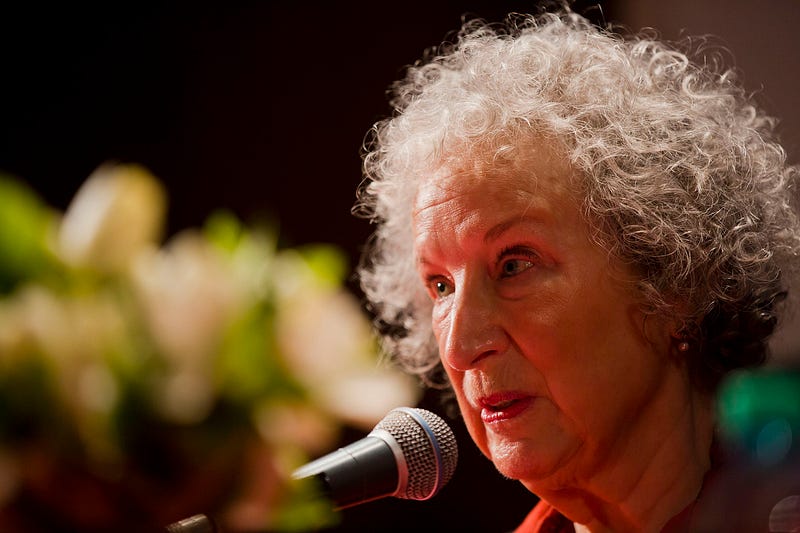
“Another belief of mine: that everyone else my age is an adult, whereas I am merely in disguise.”
Falling down the rabbit hole . . .
#71: V.C. Andrews on Magic
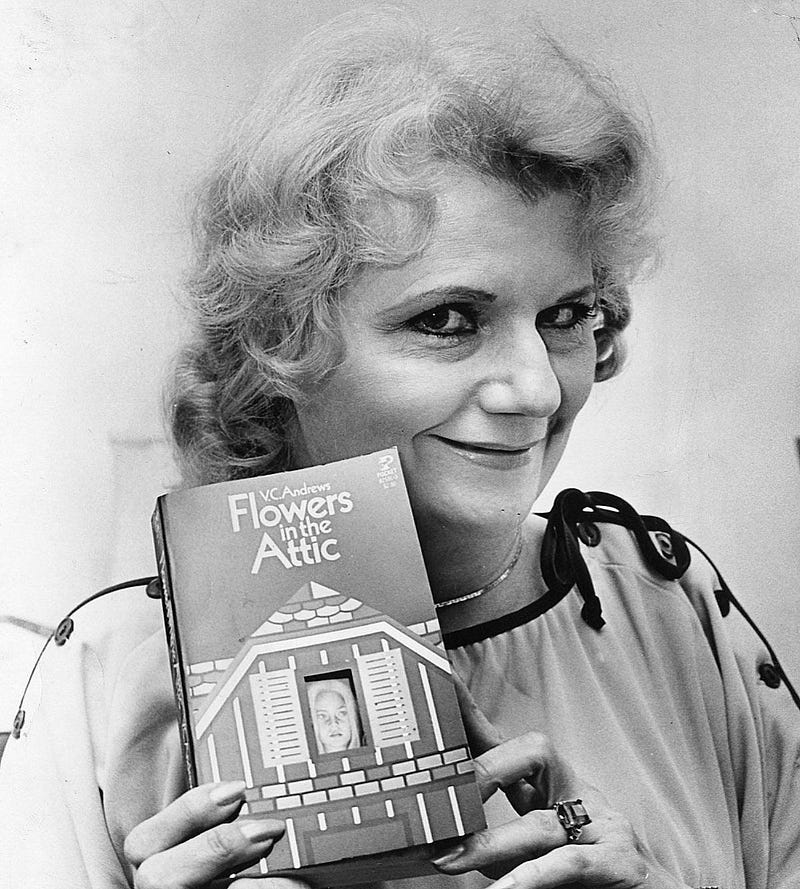
“I was the kind of child who always looked for fairies dancing on the grass. I wanted to believe in witches, wizards, ogres, giants and enchanted spells. I didn’t want all of the magic taken out of the world by scientific explorations.”
Fall down the rabbit hole . . .
#72: Jean M. Auel on Stories

“From the beginning, when I first got an idea for a story and wondered if I could write it, it has always been the story that has driven me. The idea led me into the research, which continues to give me more ideas for the story.”
Fall down the rabbit hole . . .
#73: Tabitha King on Writing
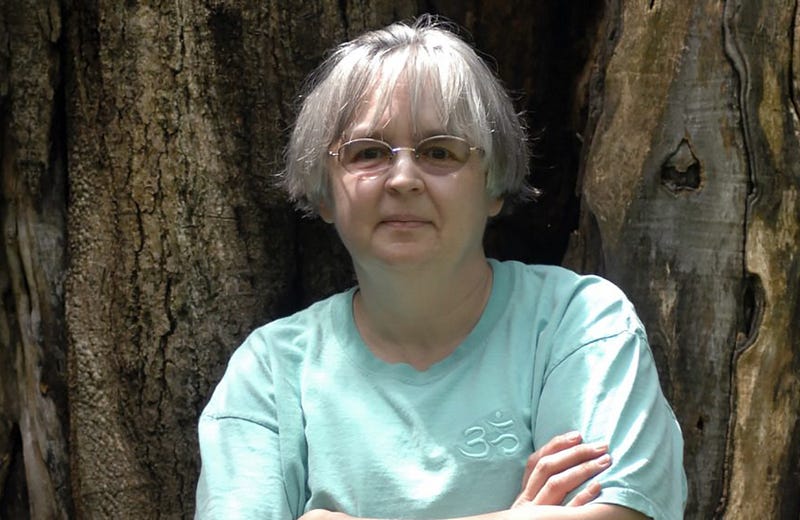
“Writing is only the frosting on my cake. I’m whole without it.”
Fall down the rabbit hole . . .
#74: S.E. Hinton on Movies
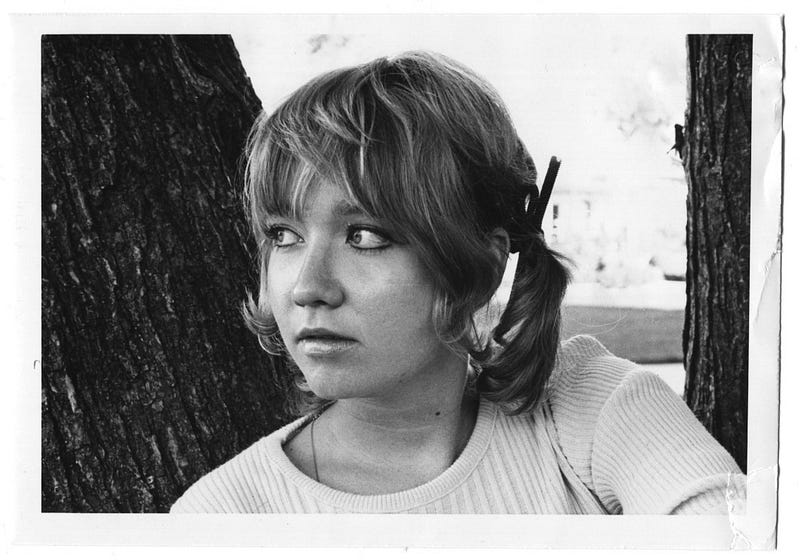
“Movies can’t ruin books. They can only ruin movies”
Fall down the rabbit hole . . .
#75: Ellen Hopkins on Hope
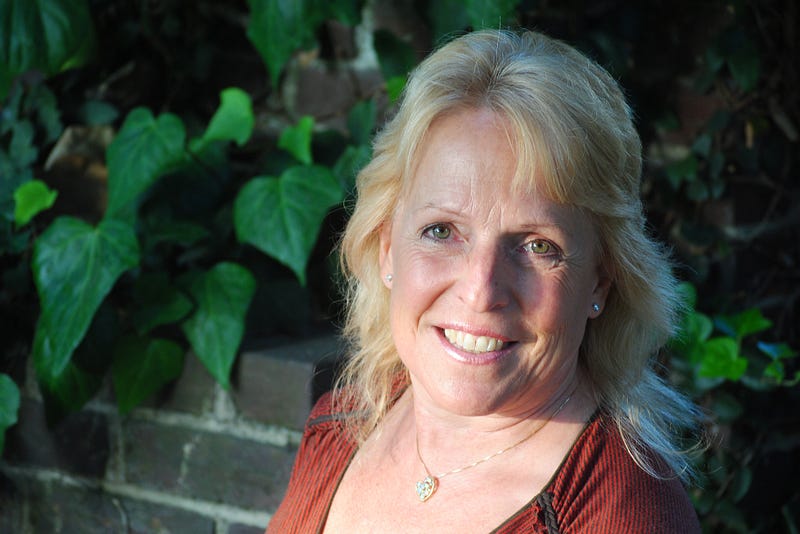
“What I really, really love is when people read my books and say: “I want to help someone like that. I want to be a psychologist, I want to be a social worker. Your books have really shown me that I want to help people like that.” Because at heart, humans are like that. We want love, we want to give love.”


