
The Colour Purple
Presentation of Discrimination
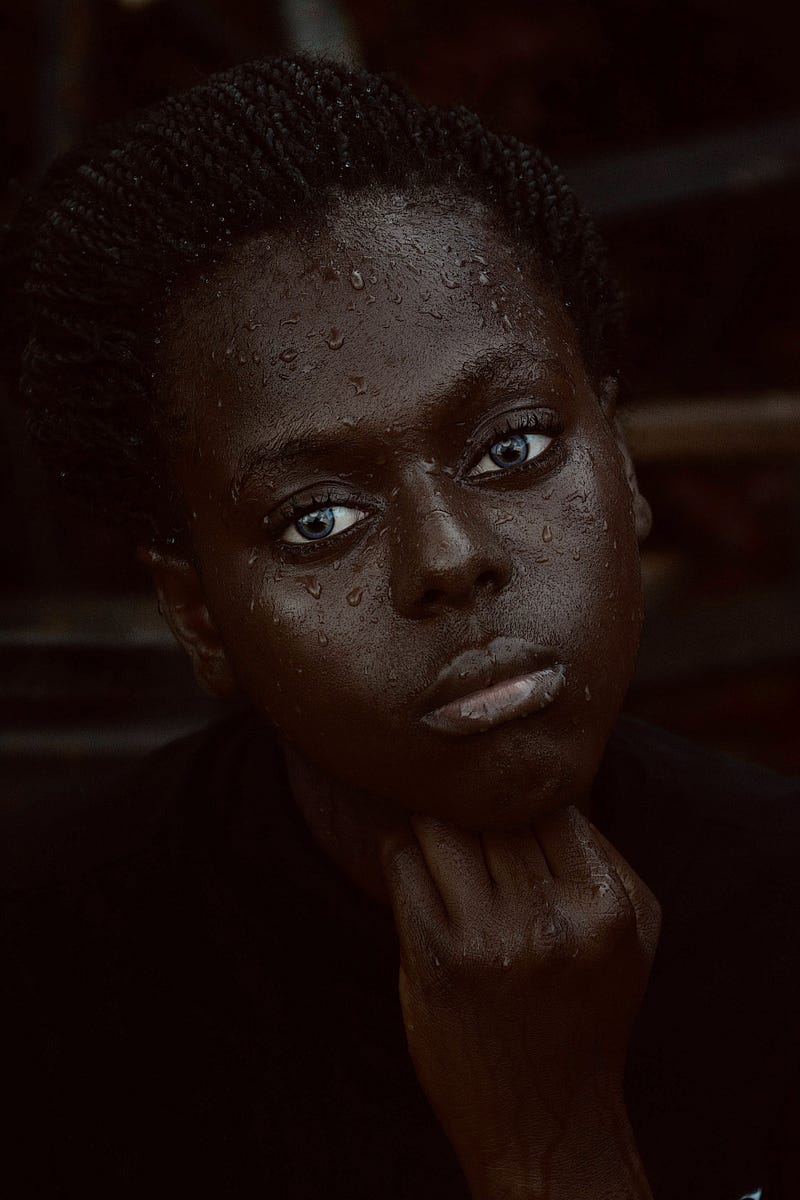
Did you know that on average, black males in the US receive sentences that are 19.1% longer than those of white men convicted for the same crimes? Or that only 6 countries in the world give females equal legal work rights as men? I’m sure you didn’t know that 33,000 girls become child brides every day, did you?
What do you feel when you hear these statistics? Pity, anger, sorrow? But how long does this emotion last in your head? An hour, a day, maybe a week? How long before you forget the feeling and move on with your everyday life, thinking about your own troubles instead?
For the few among us, fortunate enough to have averted or been treated to only the slightest form of prejudice, it is difficult to truly understand what the victims face, what they feel, and how it impacts the rest of their life because they live with a reminder of their trauma every day. They cannot forget or be distracted by what has happened to them as we can.
The Colour Purple, by Alice Walker, is a novel every person must read simply because of that reason- it makes us feel as we journey through the life of a sexually-abused female girl named Celie. There are so many emotions that arise through reading such a profound novel with such individuality in sexual and social explicitness. Although I initially felt sympathy for Celie, a girl my age, for the terrible unfathomable things that had happened to her because of the family she was born to, as the novel progressed, I was also empowered by the person she had become and how she was able to set her past aside and channel her hurt, her fury, her pain to grow into a stronger individual. The message that Walker leaves the reader with, is an important one: women are strong and they can accomplish great things. Instead of showing the weaknesses of such women, she chooses to show their power to persevere and help each other achieve greater heights, through the friendship of Celie, Shug, and Sofia, which is truly inspiring.
While most have a knowledge of the physical impacts of sexual abuse and discrimination, Walker also highlights the mental effect it has by portraying how little self-worth and self-esteem Celie has. Although she understood that she was being used, she simply wonders why and never speaks as though she believes that she deserves more, which is shocking as she does not believe that she is worthy of even basic human rights such as the right to free will and consent. We further see this quality as she does not even sign her letters to God. This contradicts with most people who would normally take pride in signing their names, as it is one of the first things we learn to write. This mentality she has developed, that she is not good enough, can be owed to how she was objectified throughout her life, first by Alphonso, her father, and then by Albert, her husband. By doing this, Walker warns of the external factors that can influence individuals, male and female alike. The absence of a warm and nurturing environment can result in such people, like Celie, who feel disregarded and unnoticed though they are often the ones that hold their family’s lives together. This is truly a misfortune.
Novels like The Colour Purple, A Thousand Splendid Suns, I Know Why The Caged Bird Sings, are all such powerful stories that help us understand what other people face, and feel grateful for the life we live. Every time I finish reading such a book, I feel so appreciative because my reality is someone’s biggest dream. Living my life with an awareness of others’ difficult situations has opened my eyes and constantly reminds me that everything around me; my family and friends, my education, my home should not be taken for granted, because few get the chance to experience what we do on a normal basis. This is why it is so important to consistently try to broaden our minds and expand our thinking in the hopes of becoming more conscious humans, and the way that I try to achieve this greatness is through reading such novels.