
The Colonisation of Australia and Impact on Indigenous Peoples
Unraveling the Legacy: Understanding the Effects of Colonisation on Indigenous Australians and the Path Towards Reconciliation
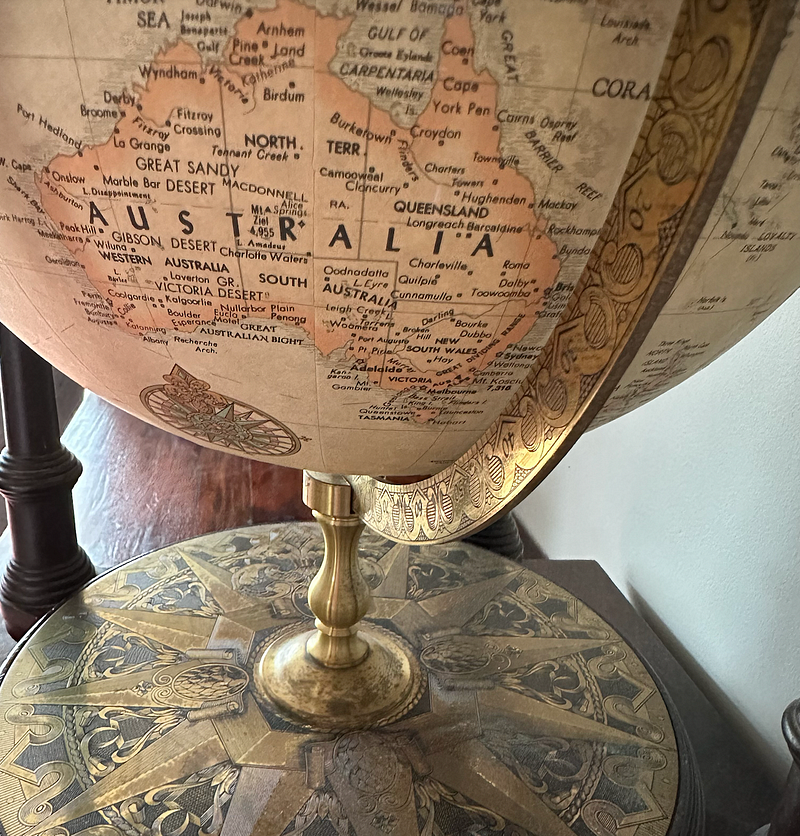
The colonisation of Australia represents a complex and often tragic period in history that has had a profound and lasting impact on the country’s Indigenous peoples.
Beginning with the arrival of the First Fleet in 1788 and the subsequent establishment of British penal colonies, the colonisation process brought about significant changes to the land and the lives of its original inhabitants.
Understanding the historical and ongoing effects of colonisation on Indigenous Australians is critical for addressing the injustices of the past.
The history of Australia’s colonisation is not only relevant to its own society but also carries broader global implications too. Examining the experiences of Indigenous Australians can provide insights into the struggles of Indigenous communities around the world, helping to inform international efforts to protect and promote the rights of these groups.
The lessons learned from Australia’s past also serve as a guide for other post-colonial societies as they work towards reconciliation and healing.
Pre-colonial Indigenous Australia
Before the arrival of the British, Australia was home to a vast array of Indigenous communities, each with its own unique culture, language, and traditions.
It is estimated that there were over 500 different Indigenous groups, speaking more than 250 languages.
These diverse communities lived across the continent, from the lush rainforests in the north to the arid deserts of the interior and the temperate coasts of the south.
For Indigenous Australians, the land and its features hold deep spiritual significance. They believe that the land was created by ancestral beings during the Dreamtime, a period when these beings shaped the landscape, established the laws, and created the human, animal, and plant life.
The Dreamtime stories provided guidance on how to maintain harmonious relationships with the land and its inhabitants, encouraging a strong sense of stewardship and interconnectedness.
Indigenous Australians believe that each person had a spiritual connection to a specific area of land, known as their “Country.”
This connection goes beyond mere ownership, as it encompasses a responsibility to care for and protect the land and its resources. Rituals, ceremonies, and sacred sites play a significant role in maintaining these spiritual connections and ensuring the well-being of the community.
Indigenous Australians have a deep understanding of their environment and developed sophisticated systems of resource management, which allowed them to live sustainably for tens of thousands of years.
They utilised traditional ecological knowledge to maintain the health of ecosystems and ensure the availability of resources for future generations.
Some examples of sustainable practices included the use of controlled burns to reduce the risk of wildfires, maintain biodiversity, and promote the growth of food plants; the cultivation of native plant species for food, medicine, and materials; and the careful management of water resources to prevent overuse and contamination.
This traditional knowledge and the sustainable practices of Indigenous Australians demonstrate their profound connection to the land and their deep understanding of the natural world.
The loss of these practices due to colonisation has had lasting impacts on both Indigenous communities and the Australian environment.
Arrival of the British & the Colonisation Process
The colonisation of Australia began with the arrival of the First Fleet in 1788, which consisted of 11 ships carrying over 1,000 convicts, marines, and officials.
Under the command of Captain Arthur Phillip, they established the first British penal colony at Sydney Cove, marking the beginning of European settlement in Australia.
The establishment of penal colonies served the dual purpose of alleviating Britain’s overcrowded prisons and securing a strategic foothold in the region.
As the British colonies expanded across the continent, they encountered numerous Indigenous communities with whom they often came into conflict.
As settlers encroached upon traditional Indigenous lands, they disrupted the delicate balance of ecosystems, leading to competition over resources and sparking violent confrontations. The introduction of European livestock, plants, and farming practices also had devastating effects on the environment and the Indigenous way of life.
The colonisation process led to the widespread dispossession of Indigenous peoples from their ancestral lands. Many Indigenous Australians were forcibly removed from their homelands and relocated to designated reserves or missions, often far from their spiritual and cultural connections.
This dispossession not only resulted in the loss of land but also the fragmentation of communities, the disruption of cultural practices, and the erosion of traditional knowledge systems.
The violence inflicted upon Indigenous peoples during the colonisation process was significant and brutal, with numerous massacres and conflicts resulting in the deaths of thousands of Indigenous Australians.
This violence, coupled with the introduction of new diseases like smallpox, led to a substantial decline in the Indigenous population.
First-person accounts from Indigenous Australians provide a deeply personal understanding of the colonisation process and its devastating effects.
These stories, often passed down through generations, convey the pain of forced relocation, the loss of cultural identity, and the enduring impact of intergenerational trauma.
By incorporating these insights into our understanding of Australia’s colonisation, we can better appreciate the profound consequences it had on Indigenous peoples and the importance of truth-telling and reconciliation efforts in modern Australian society.
Impact of Colonisation on Indigenous Peoples
The colonisation of Australia led to the widespread dispossession of Indigenous peoples from their ancestral lands. As European settlers claimed and developed these lands, Indigenous Australians were left with significantly reduced access to the resources they relied upon for their survival.
The loss of land also disrupted Indigenous peoples’ ability to practice traditional land management techniques, which had sustained them for thousands of years.
There was also a profound impact on Indigenous cultures, languages, and spiritual connections. As Indigenous communities were forcibly relocated and subjected to assimilationist policies, many cultural practices were suppressed or lost altogether.
Indigenous languages, which served as vital repositories of traditional knowledge and identity, were also endangered or extinguished as a result of European settlement and the implementation of English-only education policies.
The disruption of Indigenous peoples’ spiritual connections to their land had significant psychological and emotional consequences.
As communities were separated from their ancestral lands, they were also disconnected from the Dreamtime stories, sacred sites, and rituals that formed the basis of their spiritual beliefs.
The arrival of the British also brought new diseases to the continent, which had a devastating impact on Indigenous populations with no prior exposure or immunity. Diseases like smallpox, influenza, and measles spread rapidly among Indigenous communities, leading to significant population declines.
Violence inflicted upon Indigenous peoples during the colonisation process further contributed to the decline of their populations and the fragmentation of their communities.
The intergenerational trauma resulting from this violence and displacement continues to affect Indigenous Australians today, manifesting in various social, emotional, and psychological challenges.
Modern Australia & The Struggle for Indigenous Rights
Despite advancements in recent years, Indigenous Australians continue to face ongoing discrimination and socio-economic disparities.
Indigenous peoples experience higher rates of poverty, unemployment, and incarceration, as well as lower life expectancies and educational attainment compared to their non-Indigenous counterparts.
These disparities are a result of systemic inequality and the enduring legacy of colonisation.
The struggle for Indigenous land rights has been a crucial part of the fight for justice and recognition in Australia.
The landmark Mabo decision in 1992 recognised the existence of native title rights, effectively overturning the doctrine of terra nullius, which had previously deemed Australia to be unoccupied before European arrival.
This decision paved the way for Indigenous peoples to reclaim their ancestral lands and assert their rights to land and resources.
Several Indigenous organisations, including the National Congress of Australia’s First Peoples, work tirelessly to advocate for the rights and well-being of Indigenous Australians.
These groups aim to empower Indigenous communities, raise awareness of the ongoing challenges they face, and influence policy decisions at both the national and international levels.
Truth-telling and reconciliation efforts are essential components of the healing process for Indigenous Australians.
Initiatives such as the National Sorry Day, the establishment of the National Museum of Australia’s First Peoples, and the inclusion of Indigenous history in school curricula, all contribute to a greater understanding and acknowledgment of past injustices.
Relevance Of This History to Australia’s Society Today
Acknowledging and addressing the past injustices inflicted upon Indigenous Australians is an important step towards healing and reconciliation.
By understanding and confronting this history, Australia can begin to address the systemic inequalities that persist today and work towards a more inclusive and equitable society that values and respects the rights and dignity of Indigenous peoples.
Education also plays a vital role in raising awareness of Indigenous history and culture. By incorporating Indigenous perspectives and experiences into school curricula and public discourse, Australia can foster greater empathy, understanding, and respect for its First Peoples.
This increased awareness can also help counteract stereotypes and misconceptions that contribute to ongoing discrimination and marginalisation.
Preserving and revitalising Indigenous languages and traditions is also essential for maintaining cultural identity and promoting a greater understanding of Indigenous knowledge systems.
Initiatives such as language revitalisation programs, cultural centres, and traditional knowledge-sharing workshops can help ensure that these invaluable cultural resources are not lost and that future generations can continue to learn from and celebrate their rich heritage.
Indigenous creators are making significant contributions to Australia’s contemporary art, literature, and media landscapes. Their works provide unique perspectives on the Indigenous experience and serve as a powerful means of self-expression, cultural preservation, and advocacy.
By supporting and celebrating the achievements of Indigenous creators, Australia can foster a more diverse and inclusive cultural environment.
Indigenous Australians have made significant contributions to various aspects of modern Australian society, including politics, sports, arts, and academia.
By recognising and celebrating these achievements, Australia can challenge misconceptions and stereotypes about Indigenous peoples, while also acknowledging the important role they play in the nation’s ongoing growth and development.
Global Implications of Australia’s Colonial History
Australia’s colonial history and its impact on Indigenous peoples resonate with the experiences of Indigenous communities around the world.
Many Indigenous groups have faced similar struggles of dispossession, discrimination, and cultural suppression as a result of colonisation.
By examining the experiences of Indigenous Australians, we can gain valuable insights into the challenges faced by Indigenous communities globally.
The struggle for Indigenous rights transcends national boundaries, with Indigenous peoples worldwide advocating for recognition, justice, and self-determination.
Australia’s history and the ongoing fight for Indigenous rights can inform and contribute to international Indigenous rights movements.
Australia’s journey towards reconciliation and healing offers valuable lessons for other post-colonial societies grappling with the legacies of colonisation.
By acknowledging past injustices, promoting truth-telling and education, and actively working towards redress and equity, other countries can learn from Australia’s successes and challenges in addressing historical injustices.
This process can help pave the way for reconciliation and a more inclusive future that embraces the cultural diversity of all citizens.
Global institutions, such as the United Nations, also play a vital role in promoting Indigenous rights and cultural preservation.
By establishing international legal frameworks, such as the United Nations Declaration on the Rights of Indigenous Peoples (UNDRIP), these institutions provide a platform for Indigenous communities to advocate for their rights and pursue justice.
International cultural organisations can also support efforts to preserve and revitalise Indigenous languages, traditions, and knowledge systems, contributing to the ongoing struggle for Indigenous rights and cultural preservation worldwide.
The colonisation of Australia has had profound and lasting effects on its Indigenous peoples, with consequences that continue to reverberate through modern Australian society.
As we examine and acknowledge this complex history, it is essential to incorporate Indigenous perspectives, celebrate their resilience, and recognise their ongoing struggle for justice and healing.
By learning from the experiences of Indigenous Australians and fostering a more inclusive society, we can also help build a brighter future for all Australians.
Australia’s journey towards reconciliation also offers valuable lessons and insights for post-colonial societies worldwide, as we collectively work towards a more just and equitable global community that respects the rights, dignity, and cultural heritage of all Indigenous peoples.