
The Cola Epidemic: Daily Consumption in Mexico
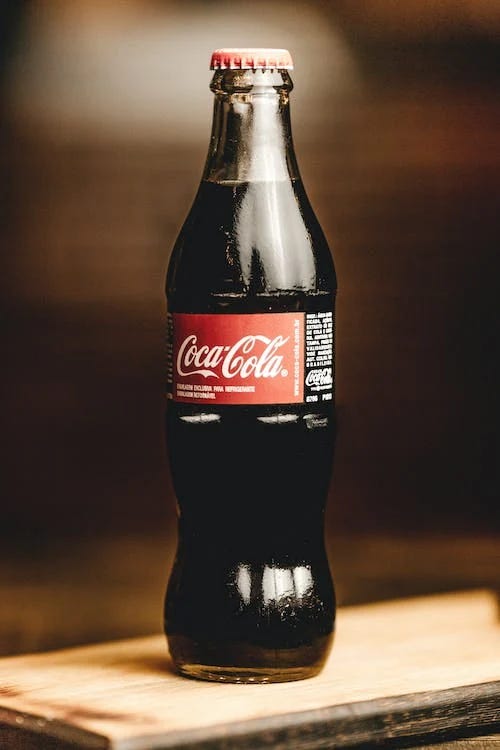
No one loves cola more than the people of Mexico. In Mexico, cola is considered a source of life even more important than water. From the elderly at the age of 80 to babies who can’t even walk, everyone is addicted to cola. On average, each person consumes about two liters of cola every day, which adds up to 800 liters per year. The state of Chiapas, one of the poorest regions in Mexico, is particularly affected by the cola epidemic.
Cola advertisements can be seen everywhere on the streets, and you can pass by 18 stores selling cola within a 5-minute drive. This cola obsession has led to a sharp increase in obesity and diabetes rates nationwide.
In a small town, Pedro was rushing to a funeral. As a musician who plays at funerals, he has witnessed too many deaths caused by cola in recent years. Today’s deceased also died from complications of diabetes. But after mourning his untimely death, family and friends brought out another sugary beverage produced by the Coca-Cola company and enjoyed it.

Pedro himself is not immune to the powerful influence of cola. He has had diabetes for 13 years, and everyone in his family suffers from severe diabetes. His brother, Robert, is weak and confused, and he can’t even open his eyes.
Pedro is not an isolated case. In the past 30 years, the number of diabetes-related deaths in Mexico has increased fourfold, making it the second leading cause of death after heart disease. To address the growing health problems, Mexico imposed a sugar tax in 2014, and the Coca-Cola company adjusted its formula in the Mexican market, reducing sugar and calories by 30% and introducing a production line for sugar-free cola. However, Mexicans accustomed to the traditional taste of cola did not buy into the changes. They still prefer the classic version filled with sugar and carbonation, which has become a part of their culture.
Even the offerings of indigenous tribes have been updated to include cola. A shaman is using cola to heal the locals. After a fervent prayer before a candle, the shaman opens a bottle of cola and tells the patient that drinking this blessed elixir will cure their diabetes. Ironically, the patient developed diabetes from drinking cola in the first place, and now they’re attempting to treat it with more cola.
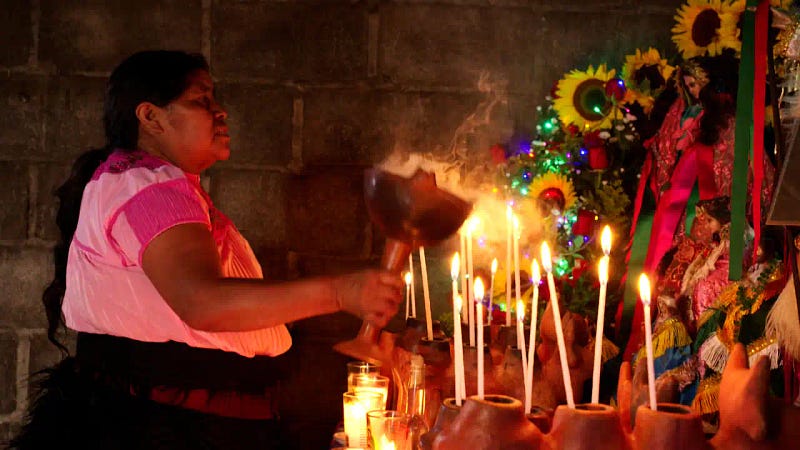
Upon closer inspection, situated right next to her shrine is her own Coke fridge. She sells around fifty crates of “blessed” cola a month. However, the people of Mexico have little choice in the matter due to the geographical location and climate conditions. Mexico’s water resources have been under strain, and the limited natural rainfall means that most of the tap water used by residents comes from nearby surface springs. With no sewage system, all domestic wastewater is discharged into the rivers, leading to severe contamination of surface water with high levels of E. coli, rendering it undrinkable. The only source of water that meets drinking standards is the underground water supply, which large cola factories control.
Over a decade ago, when the Coca-Cola company entered Mexico, the government granted them the exclusive right to use the underground water. Coca-Cola factories extract 300,000 gallons of underground water every day to produce cola. This has led to local drinking water becoming more expensive, while the price of cola continues to drop. As a result, people end up drinking cola as a substitute for water.
The water shortage and cola production have created a frightening resource loop. When the government realized the issue and wanted to control cola consumption through various means, the cola addiction of the Mexican population had already become a problem that couldn’t be solved quickly. It has become a nationwide addiction issue plaguing the country on a global scale.
Dear reader, do you like to drink Coca-Cola? Please drink it in moderation.
That’s all for today,thank you for reading.


