The “Click and Swipe” Generation
Almost everything is now easily accessible at the click or swipe of a button — how has this changed us as a society?
As a frequent user of food-delivery and ride-sharing apps and all that our 21st-Century lifestyle has to offer I suddenly found myself in the middle of the jungle. No, seriously, I spent two weeks in the jungle. Mosquitoes, snakes, spiders and all.
It was just before the pandemic, I had decided to rekindle my childhood sense of adventure and agreed to accompany a ragtag group of researchers to camp out in the jungles of Malaysia. Mind you these are tropical jungles teeming with every imaginable creepy-crawly and wriggly-wriggly you can think of!
We had to pack our own food and cook it (cans of sardines, loaves of bread, rice, beans, bottles of clean water — my camping bag weighed almost 30 pounds!) AND we had to hike up a hill bearing all that load. Groan.
We reached a small settlement of about 300 people who belonged to the oldest tribal group in Southeast Asia. They spoke a language unlike the majority Malay language that was spoken in the nearest towns. Their men hunted animals with blowpipes and poison darts. Their houses were simple constructions of wood and leaves. They bathed in rivers. They took everything they needed from the jungle and had a deep respect for their home, being careful not to leave rubbish and waste in the forest, even relieving themselves in specific places away from clean water sources.
They have no words for depression, anxiety and even suicide although they understand the concepts. They have no words for stress and tension. What does this tell us about their society?
What I learned
After surviving that traumatic fortnight scarred by itching leech and mosquito bites (the mosquitoes were the relatively friendly ones; the leeches were horrible) and scratches and bumps from slipping of rocks, I decided that I had learned one thing.
We’ve grown soft.
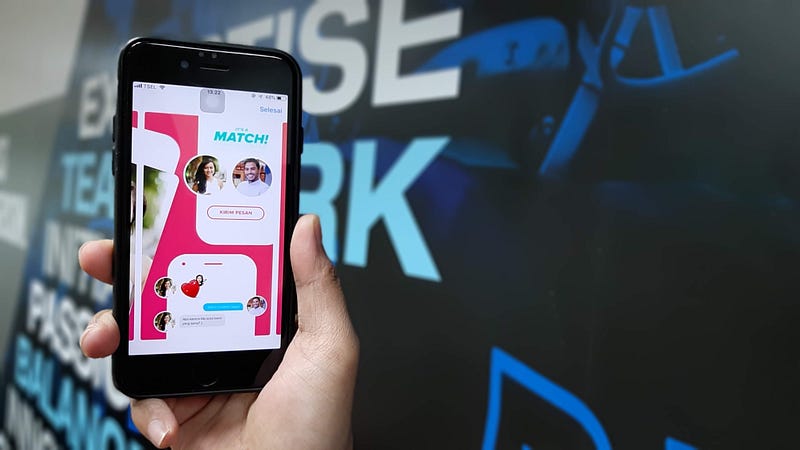
If you craved a burger in the middle of the night, all you had to do was pick up your phone/laptop/iPad, what have you, and minutes later, someone would deliver it straight to your doorstep. Our ancestors never imagined that their descendants (us!) would forget how to hunt, how to plant crops, how to preserve meat, how to grind grain into flour, how to make our own clothes. Never in their wildest dreams would they imagine us sitting around and able to get any kind of food or drink, hire an Uber for transport, hook up with a date or — (more likely) find a random sex partner by just clicking and swiping a glowing button on a magical device.
Our ancestors had it hard. I spent five weeks in the field (OK, tropical jungle) gathering data and working with groups of indigenous people called the Jah Hut. They were hunter gatherers until the last 30 years or so and even with more and more modern conveniences available to them, hunting wild animals for meat and foraging for fruits, vegetables and medicinal plants is still common. I even learned how to use a blowpipe although I was far from being able to hunt anything.
The impact of having anything, anywhere, anytime
We have lost a degree of appreciation for our fellow humans. I’m not joking, think about it. The Jah Hut and other tribal groups have elaborate greetings and introductions — it’s not common for new acquaintances to spend half an hour chatting about their ancestry, how they’re related and who they know. This reinforces the idea that no man or woman is an island. No one is disconnected from another person. Everyone needs everyone else for assistance, comfort, sharing food and for things like raising the children — Jah Hut families have so many children that they often lose count and the whole village will share the responsibility of raising them together.
This situation has always been the case with a lot of tribal groups and was very likely how our earliest ancestors lived until relatively recently. But it was the digital age that made being a hermit easy. Food delivery? Check. Buying clothes online? Check. Cleaning service? Check.
The unknown future
What’s next for modern civilisation? Would the ease and accessibility to everything make us even more disconnected from our fellow humans. I’m willing to bet so. Would we for the first time in our evolution, become cut off from human connection and become even more isolated from one another? I hope not but it is likely.
How many times have we met up with friends for a drink and ended up staring at our phones rather than make eye contact? How many times do we see commuters avoid even talking to one another, wearing earphones to shield ourselves from the torrents of humanity around us? Do dinner table conversations go on uninterrupted by phone calls and text messages and pings and beeps?
Maybe it’s time to unplug, at least temporarily. Maybe it’s time to get back to basics.


