
The “classic” debate: to read or not to read?
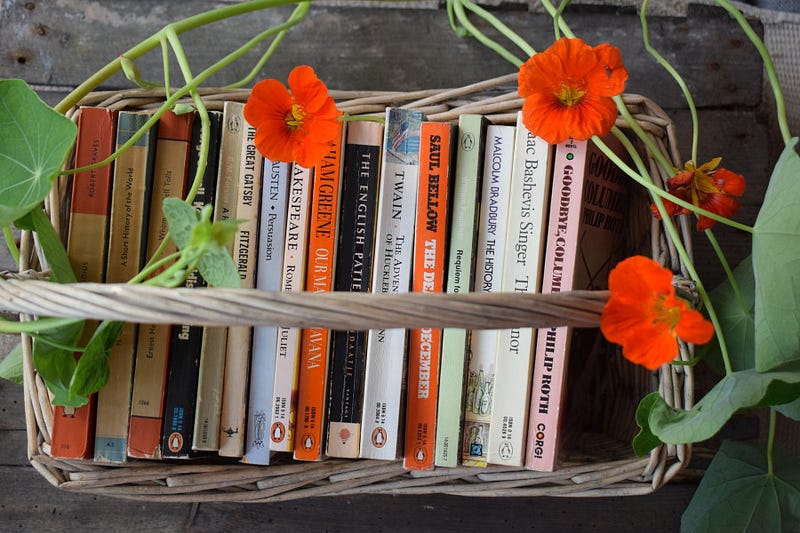
Classic literature has been the talk of the town since lockdown began, as people turn to those dense, un-read books cluttering up their bookshelves. I have seen arguments floating around that claim classics are not relevant in today’s world — which is a premise I find interesting. I agree that no one should read classics just for the sake of it, but would hate to think we shouldn’t read them, just because they don’t reflect the society we live in.
The “yes” argument
Firstly, the most basic one — there is a reason classics are classics. It usually means they’re good, right? Attaining the classic status isn’t easy and there’s usually a reason that a book has one. As readers, we may disagree with its status, however, they are usually deserving in some respect.
Personally, I like reading classics because of the historical element. When writing a book, the author either consciously or unconsciously is writing in response to their specific social and cultural climate. Reading classics take you to that author’s past and you are able to see the world through their eyes.
I’ve said it before, but I have always felt like classics offer us a unique window of opportunity into another time or place . Take James Joyce, for example, I haven’t read anything by him myself, but I’m aware that his writing has been credited for this ability. As well as Charles Dickens, George Orwell, Jack Kerouac and many others.
No one should read a classic because they feel they ‘have’ to or that to be a reader you need to read classics — this isn’t true at all. You should read what you want, as simple as that.
However, I do find that when finishing classics I get a different sense of accomplishment. Classic literature can be hard to read with the language often being very different to our own, some works can be heavy and dense and these are all things that the modern reader isn’t trained for. Not because of the kind of literature being written now — but because of our tuning into social media, which encourages us to read things in the quickest time possible.
I truly believe that reading a classic once in a while does a very good job of working your brain and making you understand the world in a way you hadn’t viewed it before. Of course, there are good and bad classics but there’s nothing like the sense of achievement when you realise you connected with a book written decades ago.
The “no” argument
The term “classic” is very vague, and one we have created ourselves because of popularity or to what extent books have influenced the literary genre.
Additionally, just because a book is popular, doesn’t mean it is going to be good. I still don’t understand the current obsession with Normal People… It is easy to obsess over status and how well a book has supposedly changed the world; when sometimes readers just won’t connect with the story. You are allowed to dislike a classic! Some examples of mine include The Graduate by Charles Webb and Catcher in the Rye by J.D Salinger.
Essentially, what I’m saying is that “classics” are man made and pre-loaded with expectations because of their status. This can give us a false sense of hope and already influence our opinion on what the book will be like.
I sometimes think the categorisation of books into “classics” and “non-classics” creates some kind of hierarchy which we sub consciously take note of when choosing books to read. It also breeds this notion that somehow if you read classics, your’re more intelligent which is obviously ludicrous.
However, when I was younger I definitely thought this was the case — I even had a list of the 100 Books You Must Read Before You Die printed out, and tried to make may way through them. I don’t do that now but this is an example of the kind of reading mindset that “classics” can influence.
Additionally, books given a “classic” status many years ago, were more often, the best on offer in an age dominated by white, male authors. Obviously society has changed a huge amount and we have a more diverse range of authors to choose from, but this argument does have some significance. We should always be viewing classics in perspective — as they are a product of the time in which they were written.
Or you could just say when categorizing books we are simply thinking too deeply. Maybe I even am in writing this post — but I think it’s an interesting discussion to have.
My experience with classics
As I said, I used to be one of those people who obsessed over classics, as a result I have made my way through a fair amount.
It barely even crosses my mind now, as I pick a book to read based on if I like the sound of it, or other peoples’ recommendations and what I know about the author. That said, I do still have an ongoing appreciation and respect for classics, but more the “modern classic” variety such as George Orwell, John Steinbeck, John Fowles and Ian McEwan ( oh dear they are all men…)
If you’re interested, you can still access this same list I had printed out as a young teenager. I have now read 42 out of the 100, not that it matters but I thought some of you might be interested!
On a lighter note, some of my favourite classics include: The Great Gatsby, The Grapes of Wrath, Jane Eyre, 1984, On The Road and To Kill a Mockingbird,
What do you think about classics? Do you read them? I’d be curious to know your thoughts!
Originally published at http://violetdaniels997.com on June 16, 2020.


