The Church for Hitch-Hikers: A Sanctuary of the ’60s and ‘70s
Lighthouse in the Darkness
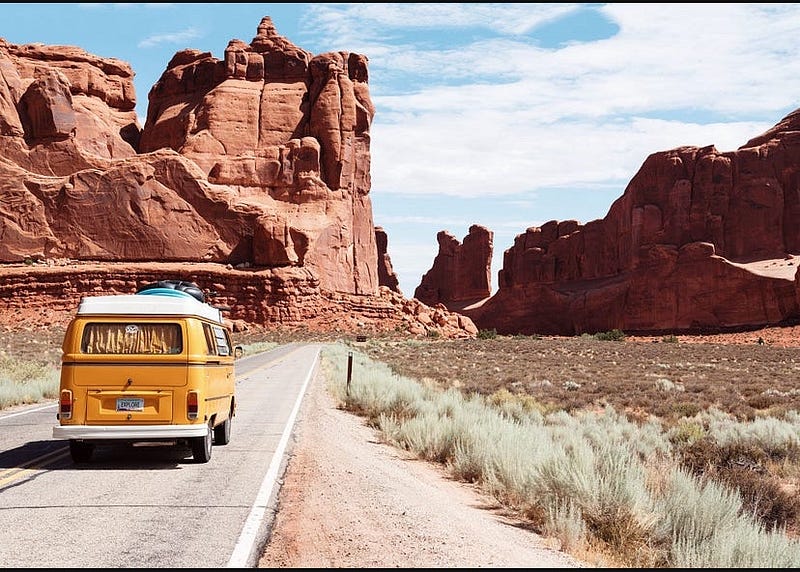
Step back in time and explore the Church for Hitch-Hikers — a legendary sanctuary that guided a generation of wanderers through the ’60s and ’70s. Discover its myths, its code, and its enduring legacy.
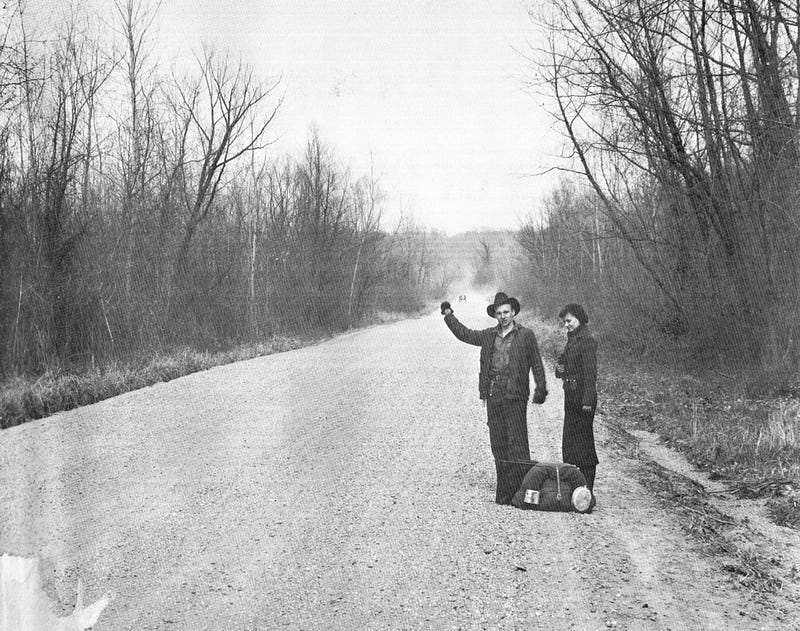
“Hitchhiking was really common in the 1930s and 1940s. And then there’s a bit of a dip in the 1950s and a big resurgence in the ’60s and ’70s. And in the ’30s and ’40s, hitchhiking was really associated with necessity. And so in the Depression, there were people out of work and trying to find opportunity. And not everyone owned an automobile at that time. So people would take to the road in search of opportunity and work. And people just saw, ‘OK, this person’s trying to get over there and I understand that. I’ll give them a ride.’
“And then in World War II, there were these gasoline and tire restrictions. And so people recognized that things have changed. We can’t just drive everywhere we want. And at the same time, you have American servicemen who were trying to get back and forth from their base to their homes to see family and friends.
“Once the country moved out of that kind of sense of crisis in the 1950s, hitchhiking’s popularity and acceptance waned a little bit. But then you had this whole generation of young people who kind of felt confined by a sense of suburban comfort and wanted to explore and get a more authentic sense of what the world is about. And so you have young people hitchhiking for adventure, people reading on the road and wanting to get out and explore the world and meet a whole cross-section of people that wouldn’t otherwise.”
“Hitchhiking — a lark to many, a total means of transportation to others, a way to see the country and meet people to some, a means of travel considered illegal in certain areas — is to law enforcement officials and many concerned citizens, a dangerous way ‘to fly.’ But to thousands of young people — coast to coast and in Europe — it’s the way to go.” Micheal Foster
The Genesis: How It All Began
Picture it: the Summer of Love is in full swing, and the open road is calling. But where do you go when the sun sets and the world turns dark? That’s where the Church for Hitch-Hikers comes in. Founded by a mysterious figure known only as “The Shepherd,” this church became the North Star for a generation of drifters.
The Amenities: More Than Just Shelter
This wasn’t your grandma’s church. No, sir. The Church for Hitch-Hikers had it all: a communal kitchen stocked with canned goods, a library filled with beatnik literature, and even a makeshift recording studio for the musically inclined. It was a place to rest, refuel, and get inspired.
The Birth of Modern Worship
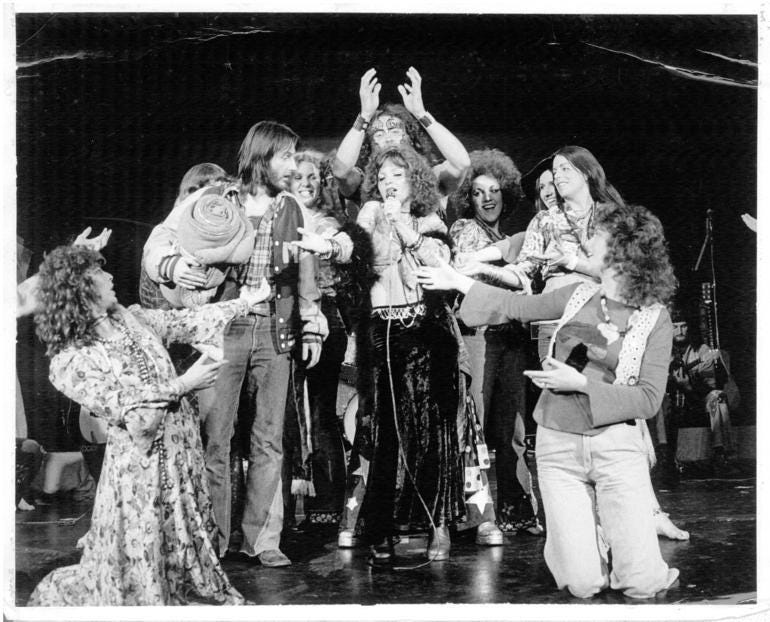
This wasn’t your typical Sunday service. No hymnals, no sermons — just raw, unfiltered expressions of spirituality. Whether it was a guitar-strumming traveler singing about freedom or a quiet moment of group meditation, the church was ahead of its time. It was a spiritual smorgasbord that welcomed all, a precursor to the eclectic, open-minded places of worship we see today.
In essence, the Church for Hitch-Hikers was more than a refuge; it was a spiritual trailblazer. It tore down traditional barriers and paved the way for a new, more inclusive form of worship that resonates with us even now.

“If someone thinks that peace and love are just a cliche that must have been left behind in the 60s, that’s a problem. Peace and love are eternal.“ John Lennon
The Code: Unwritten Rules of the Sanctuary
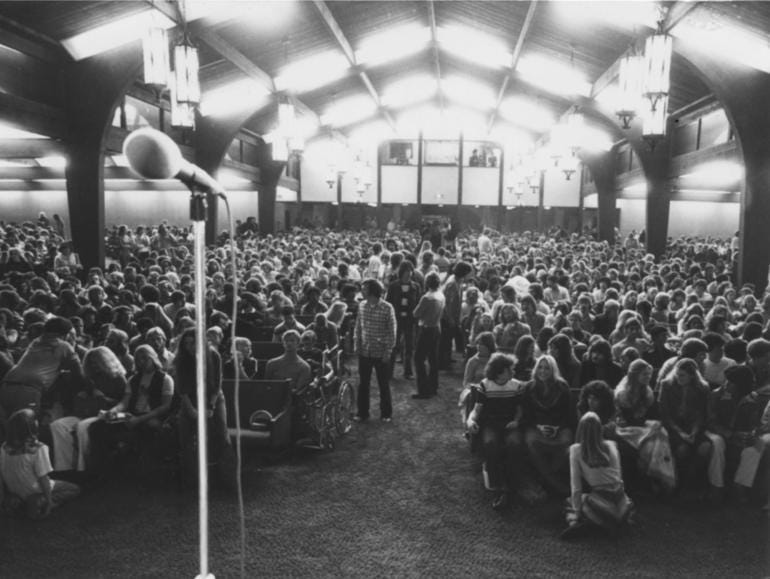
Every sanctuary has its code, and the Church for Hitch-Hikers was no exception. While there were no commandments etched in stone, there were unwritten rules that everyone respected. Pay it forward — leave a can of food if you take one. Share your stories and songs; they’re the currency here. And most importantly, respect the space and each other. It was a system built on trust, and miraculously, it worked.
“They called themselves flower children and advocated free love, yet all too often what they experienced was not so much love as deep disappointment and burned-out minds.“ Gloria Gaither
The Legends: Stories That Became Myths
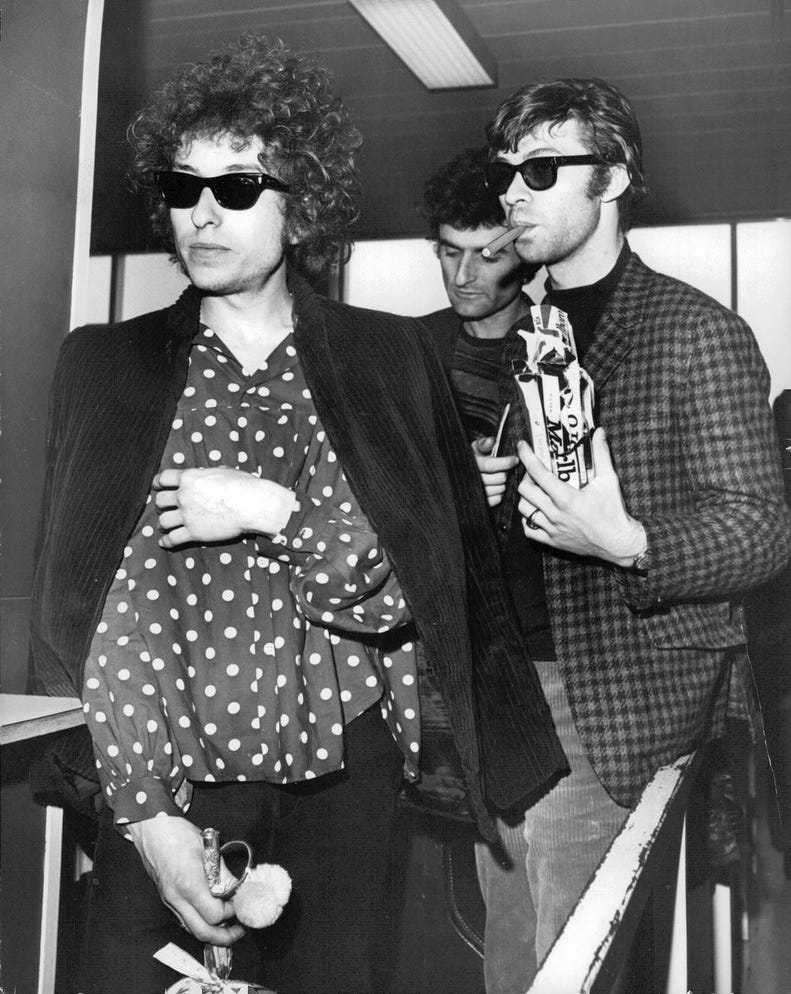
Over the years, the Church for Hitch-Hikers became the stuff of legends. Tales of chance encounters that led to lifelong friendships, of soul-stirring jam sessions that lasted till dawn, and of love stories that defied all norms. Some say Bob Dylan himself once graced the makeshift studio; others claim it was the birthplace of iconic protest songs. While the truth is shrouded in mystery, the stories live on, passed down like sacred texts.
The Legacy: Where Is It Now?
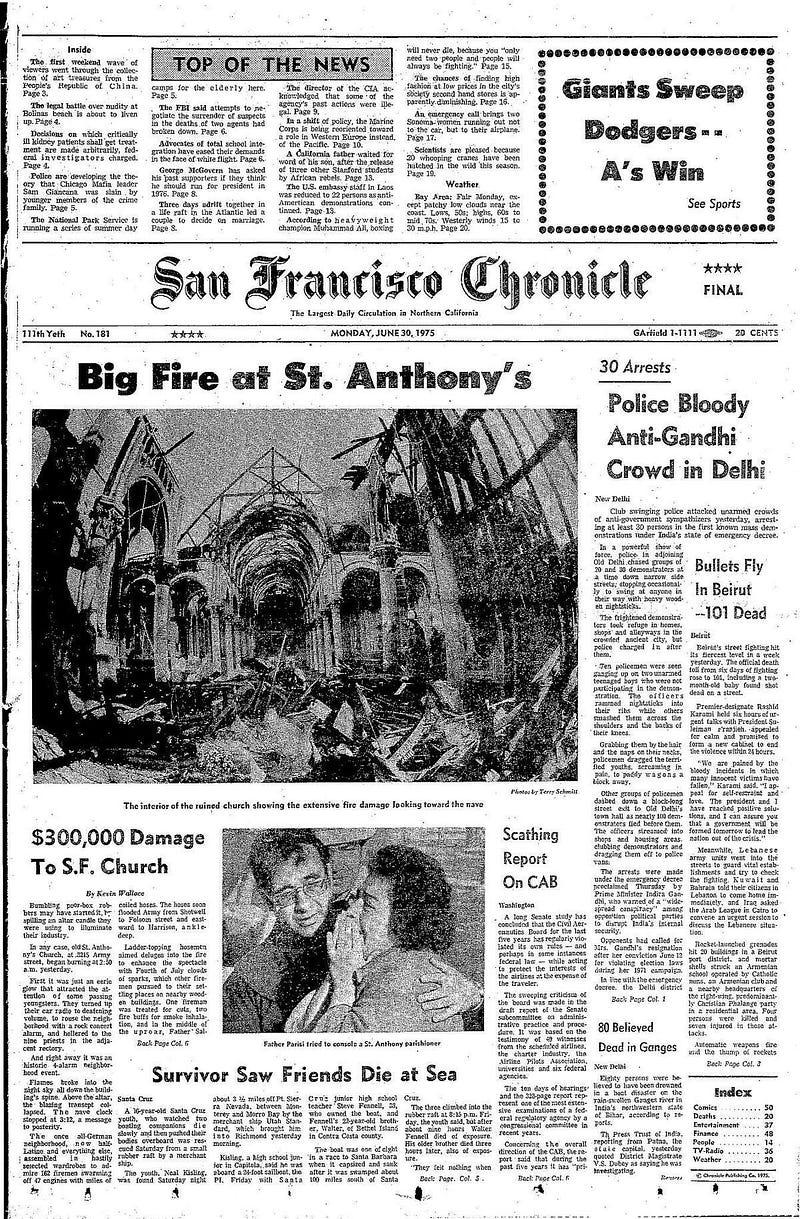
As the ’70s drew to a close, so did the era of the Church for Hitch-Hikers. Some say it was dismantled by the authorities; others believe ‘The Shepherd’ simply vanished, taking the church with him. Its physical form may be gone, but its spirit lives on in the stories we share and the freedom we seek.
Conclusion:
The Church for Hitch-Hikers may be a relic of the past, but its essence is timeless. It serves as a reminder that even in our transient journeys, we all seek a place to belong, a sanctuary that understands our restless souls.
I’m a stylistic writer with an artistic background in Music 🚀
Stay Curious, Stay Inspired: Join my Newsletter Today!
👉 Why Subscribe?
- Thought Starters: Get fresh perspectives on topics that make you think. 🪐
- Programming Tips: As a web developer, I’ll share some handy tips and tricks that make coding a breeze. 🏆
- Music Vibes: Let’s explore how music influences us, one beat at a time. 🥁
Follow me on Medium for more articles like this. 🗣️
- Subscribe to My Newsletter 📝
- Follow Me on Medium 🧠
- YouTube 🚀
- Instagram 🍒