
The Choice in Suffering: Journey Beyond Pain Through Empowerment
Embracing Choice Amid Life’s Challenges
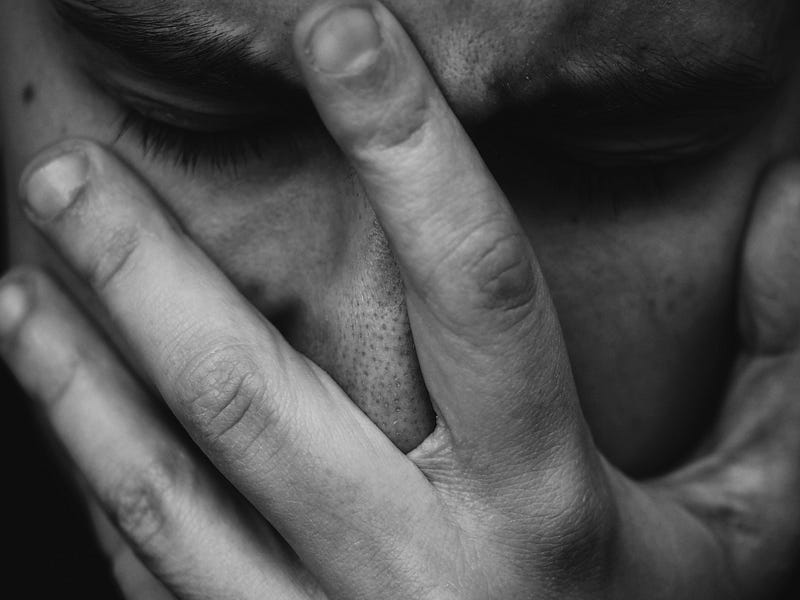
I’ve often contemplated the nature of suffering. Is it an inevitable part of existence, or do we have a choice in how we experience it? Suffering is a thread in human emotions that weaves through every life. It’s a universal experience, yet its impact and how we handle it is deeply personal. As a writer and an observer of life’s intricate patterns,
The Philosophical Perspective
The idea that suffering is a choice and not an inherent or necessary aspect of life is a thought-provoking stance that echoes across various philosophical and spiritual teachings. Buddhism, for instance, teaches that suffering originates from our desires and attachments. Therefore, the path to overcoming suffering lies in mindfully understanding and working through these roots. Similarly, Stoicism, an ancient Greek philosophy, promotes the idea that while we cannot always control what happens to us, we can control how we react.
These philosophies suggest a form of empowerment — the ability to choose our response to suffering. But how does this translate into real-life situations?
Personal Reflections
As someone who has navigated the tumultuous waters of loss and disappointment, I have firsthand experience with the complexity of suffering. When I lost a close friend to an untimely accident, the initial wave of grief felt insurmountable. It was a pain that seemed beyond my control, an involuntary response to a heartbreaking reality.
Danny lived three houses away from us. We were classmates in the 10th grade. He was cleaning his .22 rifle on a Sunday morning. It discharged and he was shot in the lower abdomen. He was alone in the house and wasn’t found for several hours. He should not have died but the circumstances were against him. We were close friends and it was a tragic loss. All the amazing things he might have accomplished were erased that day.
However, as time passed, I realized that while I couldn’t change what had happened, I could choose my path forward. Embracing my grief, allowing myself to feel it thoroughly, and then gradually finding ways to cherish the memories without being anchored in the pain was a transformative process. Embracing my grief wasn’t about denying the suffering but about changing my relationship with it. The loss and pain were acknowledged and accepted. After that was done, I lived without resistance to the pain.
My partner broke her humerus (upper arm). It was the kind of break that could not be immobilized with a cast. She wore a sling, and the pain was intense for months. She carried on with her life without suffering. It was not something she wanted to do, suffer. The healing process was much shorter than the doctor expected because she did not place negative attention on the pain.
In another instance, while pursuing my passion for writing, I faced numerous rejections. Each ‘no’ felt like a small fracture in my dream. But here, too, I found a choice. I could let these rejections define my worth and halt my journey or use them as stepping stones to improve and persevere. Choosing the latter wasn’t easy, but it was empowering.
The Complexity of Suffering
It’s important to acknowledge that not all suffering is equal, and not all can be easily reframed as a choice. Deep traumas, chronic illnesses, and profound losses bring a level of suffering that can be overwhelmingly challenging to manage or perceive as a choice. Choosing one’s attitude or response might seem distant or unrealistic in these cases.
This is where empathy and support come into play. As someone who engages deeply with art and spirituality, I’ve seen how compassion and understanding can be powerful tools in dealing with suffering. Sometimes, our choice is about seeking help, sharing our story, or simply allowing ourselves to be vulnerable.
In contemplating the nature of suffering, I’ve learned that it is about enduring pain and understanding our relationship with it. While we may not always have a choice in the external events that bring suffering, we often have a choice in how we respond. This realization doesn’t negate the pain but offers a perspective that can lead to growth and resilience.
As I continue to explore life through my writing, art, and spiritual practices, I observe the power of perspective in shaping our experiences. Suffering, in its many forms, is a part of life, but how we choose to navigate it can transform our journey from mere endurance to meaningful evolution.
If you enjoyed this story, Follow, Subscribe, Clap a lot, Comment, and/or Share.


