avatarBassey BY

Summary

The article discusses the benefits of houseplants as a low-maintenance and cost-effective alternative to traditional pets, offering companionship and emotional well-being.

Abstract

The article presents the idea that houseplants can serve as the cheapest and easiest "pets" to own and care for, especially for those with limited time, energy, or financial resources. It contrasts the story of a woman, Lucy, who prioritizes her dog's medical needs over her own, suggesting that while pets can be therapeutic, they can also be costly. The author argues that houseplants can provide similar emotional benefits to traditional pets, including companionship and the opportunity for caregiving, without the same level of expense or time commitment. The article lists several advantages of houseplants, such as the ability to communicate with them, minimal time required for their care, low cost of maintenance, readily available care knowledge, ease of moving them, and their potential for long life with proper care.

Opinions

  • Pets, especially dogs, are considered true friends and can be more important to some people than their own health or family.
  • The emotional support provided by pets can sometimes outweigh the benefits of medication, as suggested by Lucy's story.
  • Houseplants are seen as a viable alternative to more traditional pets, offering a form of companionship and emotional well-being.
  • The author believes that caring for a houseplant can teach valuable life lessons and provide a sense of responsibility and nurturing similar to that of pet ownership.
  • The article emphasizes that the cost and time commitment of owning a pet can be prohibitive for some, making houseplants a more accessible option.
  • The author suggests that the act of talking to houseplants can be as therapeutic as conversing with a pet.
  • The article promotes the idea that knowledge on houseplant care is widely available for free, making it an easy hobby to pick up.
  • The author values the long life expectancy of houseplants with proper care, highlighting it as a benefit over the typically shorter lifespans of pets.

Pets/Houseplants/Life Lessons

The Cheapest Pet: A Houseplant

It’s the cheapest and easiest pet to own and care for. What you need to know.
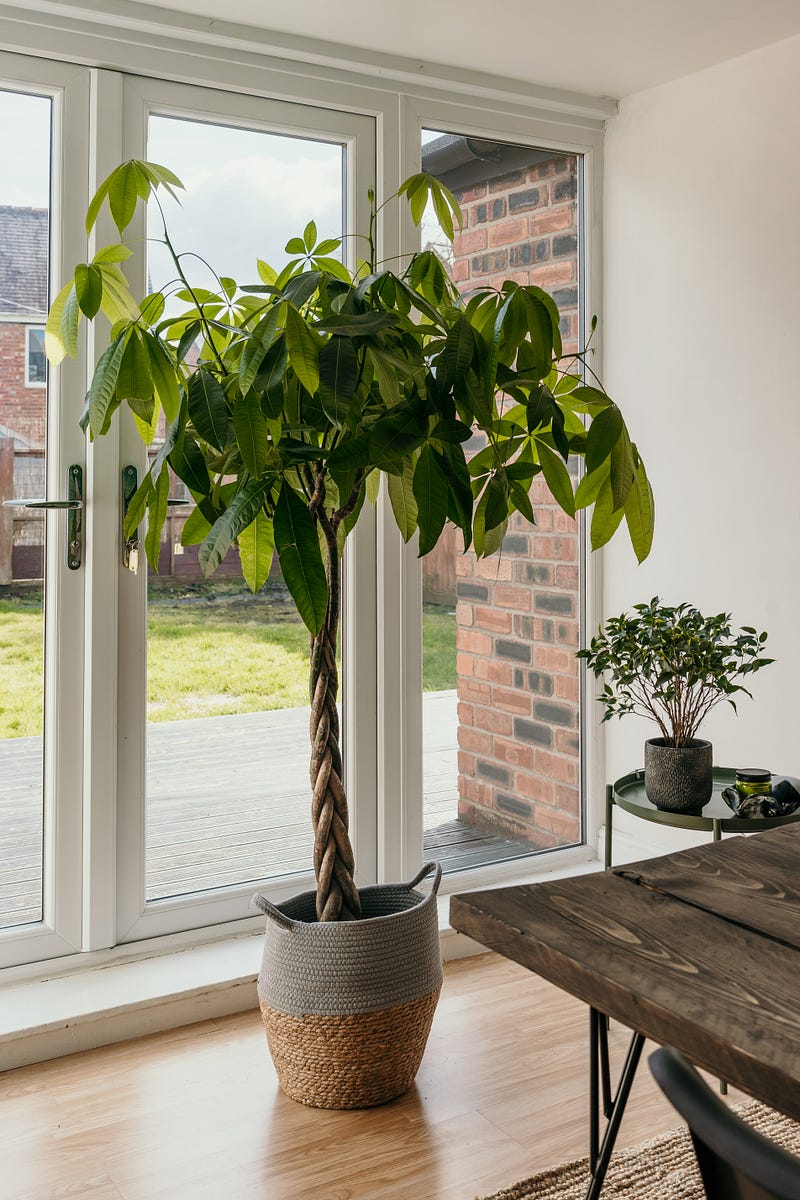
The Cheapest- Pet: A -Houseplant-Photo by Toa Heftiba on Unsplash

“I’m ALL about the Alternative.”― Solange nicole.

The saying goes, if you need a friend, buy a dog. Pets are true friends for many people. No wonder some people care more for their pets than themselves or their children.

An older woman, Lucy, lamented how expensive her medications were and that she must forgo one of them. As we conversed, she told me she needed to take her dog to a veterinarian for toe surgery.

I held my breath and distracted her by complimenting her attractive green earrings. She relaxed, smiled, and narrated a history of the earrings dating back to her grandmother.

“Wow! That was in the 1800,” I joked. We laughed.

“How is your dog?” I asked. Wills is okay but needs surgery which I hope he’ll be fine. “Insurance pays for Wills,” “Oh no. I paid,” she interrupted me.

She paid for the dog but not her medicine. Yes, sometimes, a pet helps people more than medicine.

Please consult your doctor before you stop taking your medications.

Pet as a companion

A pet can help many people do life — a life companion and also expensive. It takes a lot of time and energy to care for a pet.

Then the least expensive pet, a houseplant, can be an alternative if you have limited time, energy, and money.

I heard you.

How can you compare a dog, cat, or fish with a houseplant? There’s no need to get confused but look for alternatives that save you time, energy, and money.

Housepant can be an alternative for some people.

Why?

  1. A houseplant is alive, and you can talk to her as you do with a dog.
  2. Caring for our houseplant every morning and evening takes a few minutes.
  3. Feeding and grooming your houseplant is less expensive.
  4. Lessons for caring for a houseplant is free in a public library, zoo, museum, or on YouTube.
  5. Walking or moving a houseplant takes a few seconds or minutes — move from the kitchen island to the outdoors or closer to the window.
  6. Life expectancy for a houseplant can be more than a decade with proper care.

Help yourself grow. Follow me here.

Here’s my houseplant sitting on the kitchen table, minding her own business. She has been with us for many years.
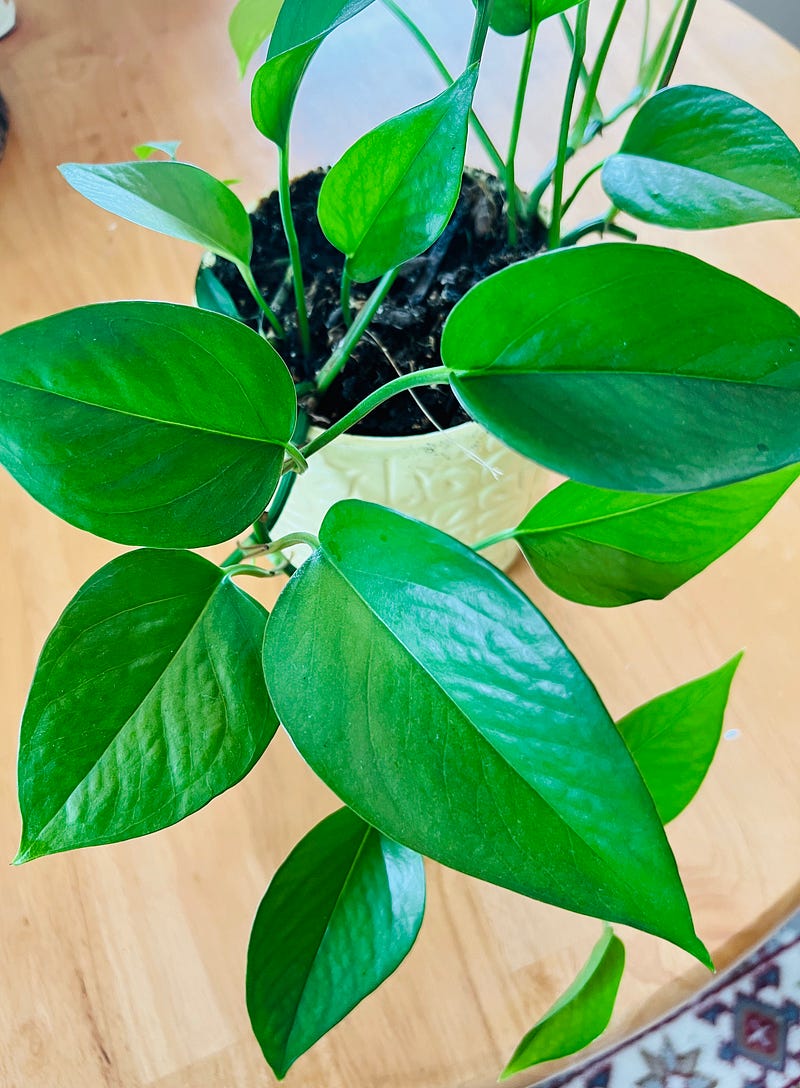
BY Houseplant — Photo by author.
Life Lessons
Education
Lifestyle
Houseplants
Advice
Recommended from ReadMedium