
The Chances Are, Getting People to Take You Seriously as a Professional Writer Isn’t as Important as You Imagine
Why you write counts more than what anyone thinks about you
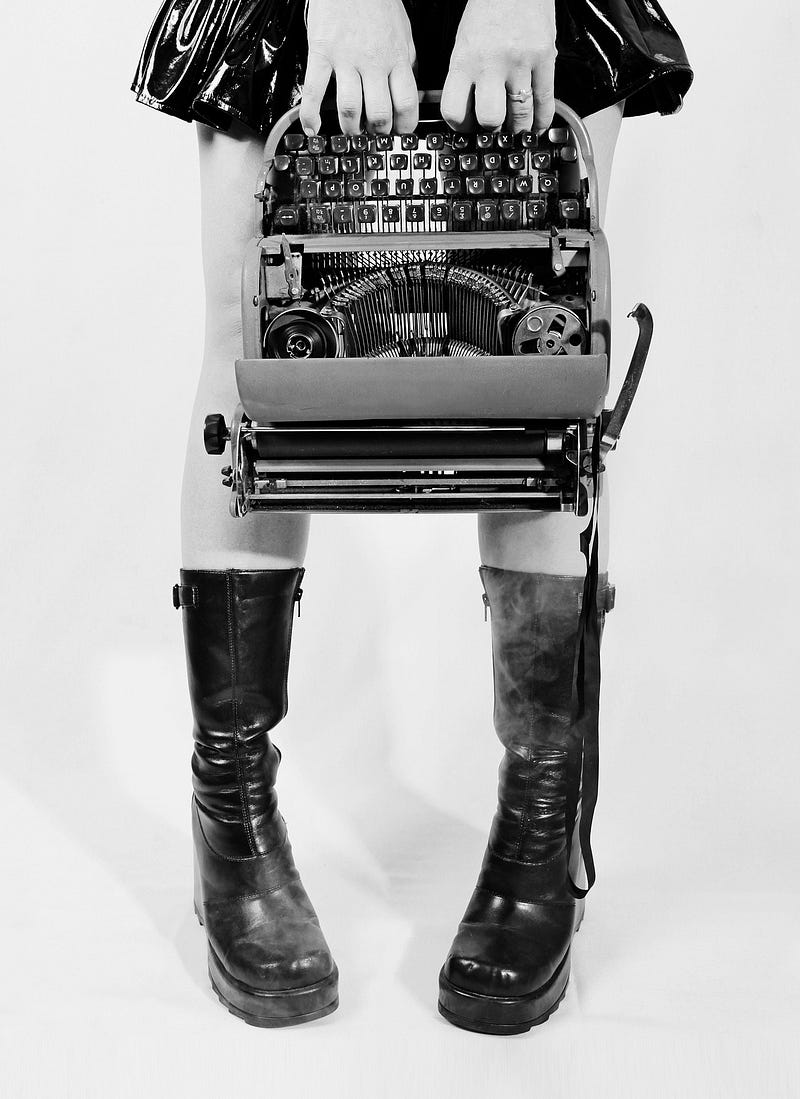
Getting people to see you as an actual writer if you are one, isn’t always easy. They have specific ideas about what constitutes a genuine professional. If you don’t fit the mold, they are liable to toss their heads and dismiss your silly notion about being a real writer.
Strange, isn’t it? If you plumbed, you’d have no trouble insisting you were a plumber. No one would question you if you were paid to cut hair, even part-time, and referred to yourself as a stylist. Of course not. No wonder you might show concern if people frown when you say you’re a writer.
Emerging writers often feel it’s essential to be seen as professionals and display their writer tag socially. The first time they go to a party, though, and someone asks what they do, their answer — “well, actually, I write” — might elicit the response:
“How many books have you written?” Or “have I read anything of yours?”
All’s well if you have written a few best-sellers (especially if they’re in print rather than digital). Many writers, however, don’t write hardbacks or screenplays. They create online content, write for glossy magazines, ghostwrite for other writers, or write in some other capacity. But they are real writers.
Real writers aren’t necessarily paid, either. Some, and you may be one of them, test the waters in the evenings while maintaining a day job. But they are writers because they write.
I’ve heard folks say writing doesn’t make you a writer, but I beg to differ. Just because someone writes doesn’t mean they’re a good writer, though.
Nevertheless, if you’re a writer, good or not so much yet, getting people to take you seriously mightn’t be as significant as you think. Other folk’s opinion of your writer status seems essential when you’re a new writer. Well along the road, though, the concept’s impact blurs.
Later, you recognize the reason you became a writer counts more than what anyone thinks about you. You write because you want to express your creativity. You have knowledge to share or an impulse to get words on paper.
Maybe, you want your writing to add to an existing income or be your main financial source. Or your endeavors serve another purpose. Your reason to write, though, doesn’t stem from wanting recognition: That’s a secondary gain if it ever arrives.
The way writing adds to your well-being and income or satisfies another need means more than whether it affords you with social status and recognition. And, as a writer, I bet you can create a handful of replies to dish out at parties when you’re questioned about your professional stature.
Don’t want to miss new stories? Click here for limitless access to my writing and every other story on Medium.
Bridget Webber writes articles for magazines and websites; she often ghostwrites for professionals who can’t spare the time to pen compositions. She’s written poetry eBooks and is featured in several leading publications.


