
The Castrati: Unveiling the Melancholy Melodies of Italy’s Lost Boys
A Historical Journey Through the Lives and Legacies of the Castrati Choirboys
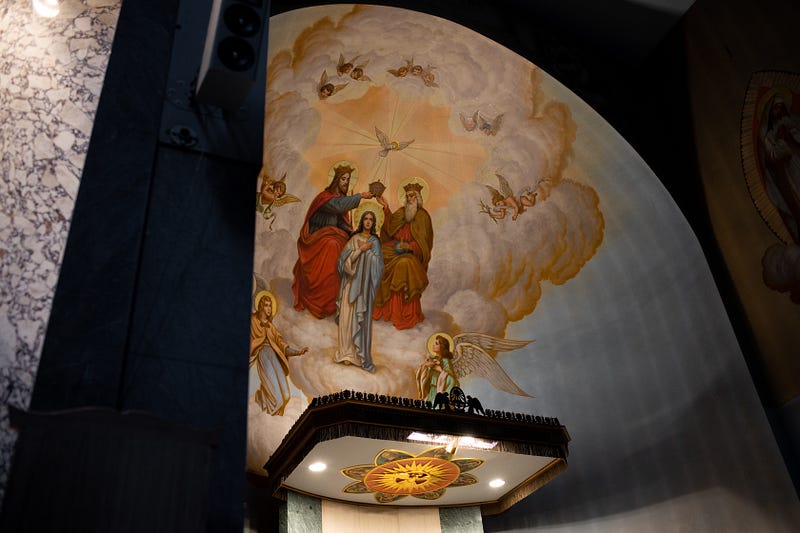
Introduction: Illuminating the Shadows of History
In the midst of grand basilicas and the echoes of sacred chants lies a lost and often overlooked tale from Italy’s rich history. It’s a narrative that sweeps across the intersection of music, religion, societal norms, and human sacrifice — the story of the castrati. These boys, castrated before puberty to preserve their angelic singing voices, stand as testaments to a haunting past where the pursuit of divine music eclipsed human rights. This blog post is a deep dive into their world — a tribute to their talent, their struggles, and their resilience.
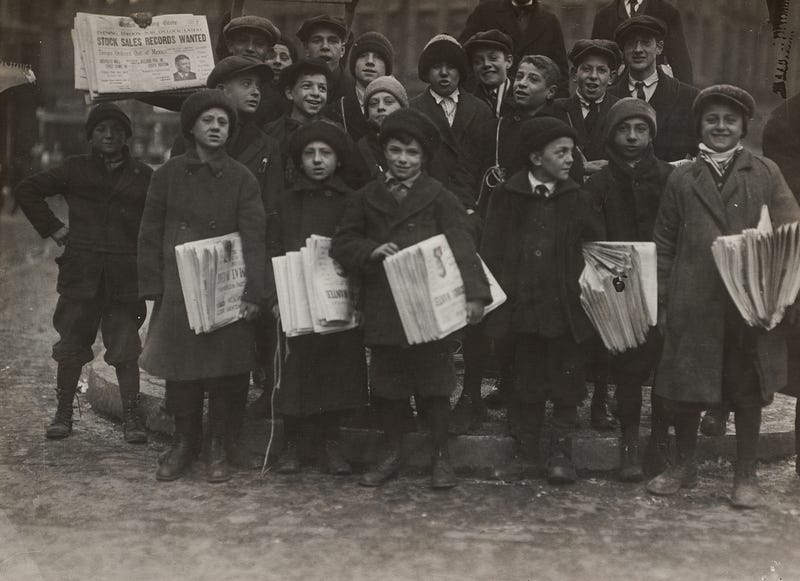
The Birth of the Castrati: A Response to Papal Decrees
The genesis of the castrati can be traced back to the 16th century, to a time when the Vatican forbade women from participating in church choirs. The church’s yearning for high, ethereal voices to reverberate through their halls led to a drastic and inhumane solution: the creation of the castrati. This involved a gruesome procedure where boys — often from poor families who sold them in desperation — were castrated before puberty, thereby preventing their voices from deepening with maturity.
A Life Marked by Sacrifice: The Trials of the Castrati
The lives of these young castrati were a dichotomy of immense talent and extreme hardship. The absence of testosterone resulted in various physical abnormalities, including prolonged bone growth leading to unusual height, a unique timber in their voices, and the potential for obesity, osteoporosis, and depression. Despite these challenges, their angelic voices led to a demand for their talent, although this never eclipsed the struggles they bore as outcasts in society.
Journey to Stardom: Training and Rise of the Castrati
Becoming a castrato involved rigorous training and relentless practice, with only a fortunate few ascending to stardom. Their lives were punctuated by numerous auditions, performances, and at times, international travel. This section delves into their arduous training, their rise to fame, and their contribution to the operatic landscape of Italy, even influencing notable composers of their time.
The Castrato: Reflections on Natures and Kinds
Martha Feldman
Series: Ernest Bloch Lectures
Copyright Date: 2015
https://www.jstor.org/stable/10.1525/j.ctt13x1hwq?
The Last of their Kind: Alessandro Moreschi
The dawn of the 20th century witnessed the final chapter of the castrati history with Alessandro Moreschi, the last known castrato. Moreschi’s voice, preserved in early gramophone recordings, offers a window into a world long vanished. An examination of his life offers a glimpse of the last echoes of the castrati tradition.
Alessandro Moreschi sings Ave Maria (no scratch)
via @YouTube
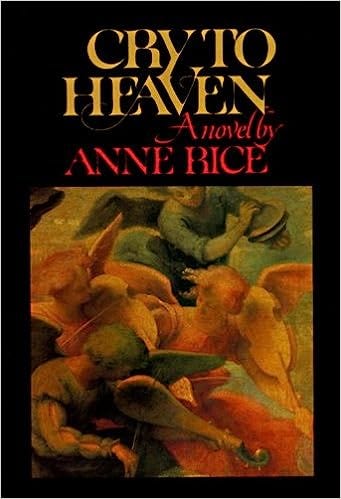
A Glimpse into Fiction: Anne Rice’s “Cry to Heaven”
Anne Rice’s novel “Cry to Heaven” breathes life into the narrative of the castrati, drawing readers into their world marked by societal rejection, personal struggle, and incredible talent. This section explores the impact of the novel and its interpretation of the castrati’s experience.
Conclusion: Legacy of the Castrati — A Final Reflection
The castrati represent a poignant chapter in Italy’s history — a blend of artistry, faith, and profound human tragedy. While their voices no longer echo in the vaulted basilicas, their memory endures, reminding us of the delicate balance between the pursuit of art and respect for human rights.
References:
Rice, A. (1982). Cry to Heaven. Knopf.
Rockwell, J. (1984). History’s Last Castrato Is Heard Again. The New York Times. https://www.nytimes.com/1984/09/16/arts/history-s-last-castrato-is-heard-again.html
Feldman, M. (2015). The Castrato: Reflections on Natures and Kinds. University of California Press.
As an Amazon affiliate, we earn with your qualifying purchases.
#Buy #Shop #Read
Cry to Heaven Hardcover — September 12, 1982
by Anne Rice (Author)
The Castrato: Reflections on Natures and Kinds (Ernest Bloch Lectures) by Martha Feldman (2015–02–20) Hardcover
Middle English Edition
The World of the Castrati: The History of an Extraordinary Operatic Phenomenon Hardcover — January 1, 1996
by Patrick Barbier (Author), Margaret Crosland (Translator)
Eunuchs and Castrati: A Cultural History Paperback — December 31, 1999
by Piotr O. Scholz (Author), Shelley Frisch (Translator)
The Last Castrato Paperback — June 16, 2005
by J. Wolf Sanchez (Author)
If you enjoyed this blog article, please consider following me on Medium, Twitter, and connect with me on LinkedIn!
Subscribe to my LinkedIn Newsletter — MarmsRegine Universal Shop
Subscribe to MarmsRegine Tutors
Please check out my affiliate ART link for Emakpato Digital Art Photography and Painting by clicking the link here. Thank you.
emakpatodigitalartphotographyandpainting.sjv.io
emakpatodigitalartphotographyandpainting.sjv.io
https://emakpatodigitalartphotographyandpainting.sjv.io/jWV9Ln
And let’s support one another on our journeys.
Disclaimer: Please note that this article contains affiliate links in Amazon & others. If you click on these links and make a qualifying purchase, we may earn a commission at no additional cost to you. We adhere to FTC guidelines in disclosing any affiliate relationships.
Disclosure: This article was AI generated & not just edited by the AI. I read an article about history. I will launch another cohort based course on AI soon and will update when I am done with my landing page on Maven, etc. The purpose of this disclosure is to ensure transparency between readers and writers and to establish accurate expectations for the reader.