
The Caspian Sea to Persian Gulf Or Persian Sea Connection (River Project) -Проект Персидской реки
The Caspian Sea , Persian Gulf and Persian Sea
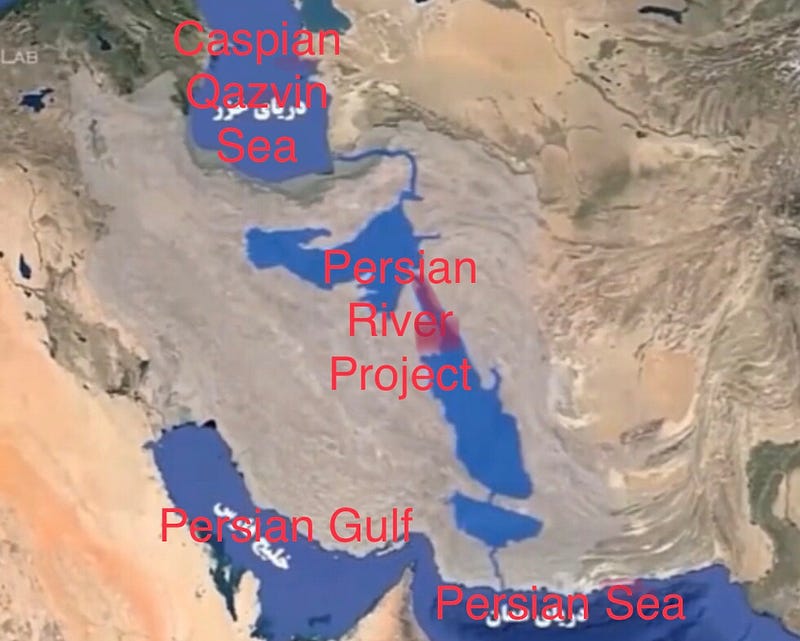
The Caspian Sea (Qazvin Sea) , the Persian Gulf , and Persian Sea, are three significant bodies of water located in the Middle East. The Caspian Sea, the largest enclosed inland body of water on Earth, lies to the northeast of the Persian Gulf. These two water bodies have long been geographically separate, but there have been discussions and proposals to connect them through various projects. This article will explore the historical perspective of connecting the Caspian Sea to the Persian Gulf, weighing the potential benefits against the environmental concerns and geopolitical considerations.
Historical Perspective: Connecting Two Water Bodies
The idea of connecting the Caspian Sea to the Persian Gulf or Persian Sea is not a new concept. It has been discussed and explored by various civilizations throughout history. One of the notable attempts was made during the reign of the Persian Empire, when King Darius (500 B.C.) I proposed a canal connecting the two water bodies. However, due to technological limitations and engineering challenges of that time, the project could not be realized. Since then, several proposals and discussions have taken place, but no concrete action has been taken to connect these water bodies.
Potential Benefits: Examining the Pros
Connecting the Caspian Sea to the Persian Gulf or Persian Sea holds several potential benefits that make it an enticing proposition. One of the primary advantages is the economic boost it could provide in terms of trade and commerce. The connection would create a direct route for shipping goods between the Caspian Sea and the Persian Gulf, avoiding the need for lengthy detours. This would result in significant cost savings and increased efficiency for businesses engaged in trade between the two regions.
Economic Boost: Opportunities for Trade and Commerce
The proposed connection between the Caspian Sea and the Persian Gulf or Persian Sea would open up new opportunities for trade and commerce. It would provide a shorter and more direct route for the transportation of goods, benefiting both landlocked countries surrounding the Caspian Sea and those countries located along the Persian Gulf or Persian Sea. The reduced shipping distance would lower transportation costs, stimulate economic growth, and encourage bilateral trade agreements between nations. Moreover, the streamlined trade route would attract foreign investment, leading to the creation of jobs and boosting regional economies.
Energy Resource Expansion: Accessing New Reserves
Another potential benefit of connecting the Caspian Sea to the Persian Gulf or Persian Sea is the access to new energy reserves. The Caspian Sea region is known to be rich in oil and gas reserves, and connecting it to the Persian Gulf would provide easier access to these resources. This connection would enable efficient transportation of oil and gas, opening up new markets for exporting countries and increasing energy security in the region. It could also lead to the development of new infrastructure and the establishment of refining and processing facilities, further stimulating economic growth.
Tourism Potential: Enhancing Cultural Exchange
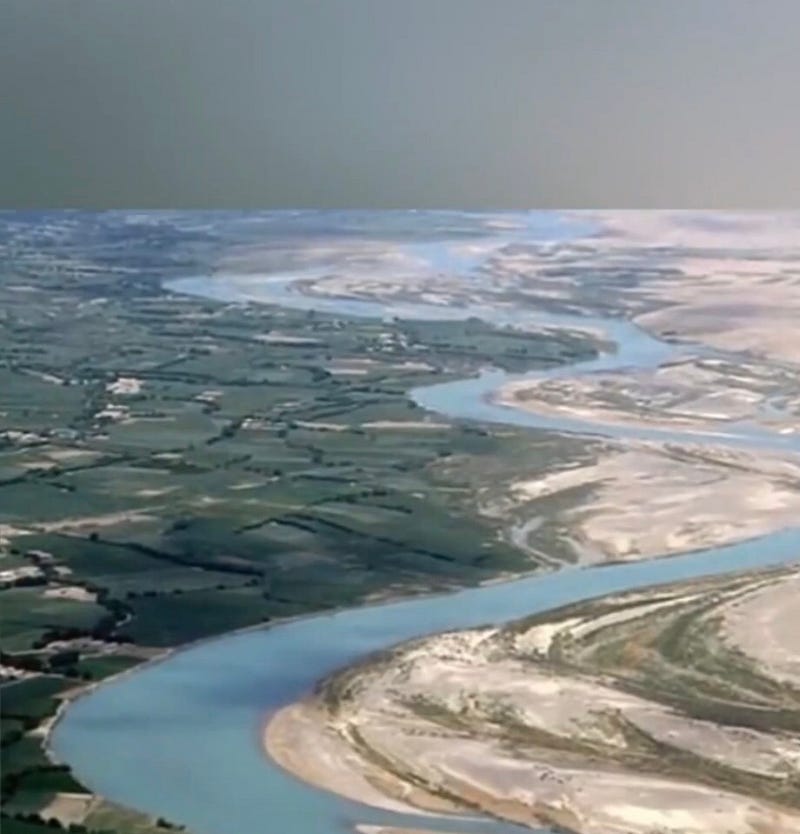
Connecting the Caspian Sea to the Persian Gulf or Persian Sea would also enhance the tourism potential of the region, leading to an increased cultural exchange between countries. The project would create new travel routes, allowing tourists to explore diverse landscapes, historical sites, and cultural heritage along the way. Tourists would have the opportunity to experience different cultures, taste local cuisines, and interact with people from various backgrounds. This exchange of ideas and traditions would foster understanding and promote peace and harmony among nations.
Environmental Concerns: Assessing the Cons
While the proposal to connect the Caspian Sea to the Persian Gulf or Persian Sea may seem beneficial, it is essential to consider the potential environmental concerns associated with such a project. One of the major concerns is the impact on marine life. The Caspian Sea and the Persian Gulf are home to diverse ecosystems and a wide variety of marine species. Connecting the two water bodies could disrupt these ecosystems, leading to the loss of habitats, alteration of migration patterns, and potential extinction of certain species.
Impact on Marine Life: Ecological Consequences
The connection between the Caspian Sea and the Persian Gulf could have severe ecological consequences, particularly for marine life. The mixing of different water bodies with varying salinity levels, temperatures, and nutrient concentrations could disturb the delicate balance of these ecosystems. Additionally, the transportation of invasive species from one body of water to another could further disrupt the natural biodiversity. It is crucial to carefully assess the potential ecological impacts and implement measures to mitigate any adverse effects before proceeding with the project.
Water Supply Challenges: Balancing Freshwater Needs
Another environmental concern associated with connecting the Caspian Sea to the Persian Gulf or Persian Sea is the challenge of balancing freshwater needs. The Caspian Sea, being a closed body of water, has a different salinity level compared to the Persian Gulf. Mixing the two bodies of water could impact the availability and quality of freshwater resources in the Caspian Sea region. Careful consideration must be given to ensure that the project does not exacerbate existing water scarcity issues or harm the delicate balance of freshwater ecosystems.
Geopolitical Considerations: Potential Conflicts
The geopolitical considerations surrounding the connection between the Caspian Sea and the Persian Gulf or Persian Sea cannot be overlooked. The project would involve cooperation and agreements among multiple countries, each with their own political and economic interests. Disputes over ownership, control, and usage of the connected water bodies could arise and potentially escalate into conflicts. It is essential to engage in transparent negotiations, establish clear regulations, and address the concerns of all participating countries to ensure a peaceful and mutually beneficial outcome.
Infrastructural Hurdles: Overcoming Engineering Challenges
One of the significant obstacles in connecting the Caspian Sea to the Persian Gulf or Persian Sea is the engineering challenges involved in constructing the necessary infrastructure. The project would require the construction of canals, pipelines, and pumping stations spanning vast distances and diverse terrains. Overcoming these engineering hurdles would demand substantial financial investments, technological advancements, and careful planning. It is crucial to assess the feasibility and sustainability of the project, considering factors such as geological stability, environmental impact, and long-term maintenance requirements.
Weighing the Pros and Cons
The proposal to connect the Caspian Sea to the Persian Gulf or Persian Sea presents both advantages and disadvantages. While the project would offer economic benefits through increased trade, energy resource expansion, and tourism potential, it also raises environmental concerns regarding the impact on marine life and water supply challenges. Additionally, the geopolitical considerations and infrastructural hurdles pose their own set of challenges. Before pursuing such a connection, a comprehensive analysis is necessary, taking into account the potential benefits and risks, and ensuring that measures are in place to mitigate any adverse effects. Only through careful evaluation and collaborative efforts can the Caspian Sea to Persian Gulf or Persian Sea connection be considered a viable and sustainable endeavor.
Каспийское море и Персидский залив
Каспийское море и Персидский залив или Персидское море — три значительных водоема, расположенные на Ближнем Востоке. Каспийское море, крупнейший замкнутый внутренний водоем на Земле, расположено к северо-востоку от Персидского залива. Эти два водоема долгое время были географически разделены, но были дискуссии и предложения соединить их посредством различных проектов. В этой статье будет рассмотрена историческая перспектива соединения Каспийского моря с Персидским заливом, сопоставлены потенциальные выгоды с экологическими проблемами и геополитическими соображениями.
Историческая перспектива: соединение двух водоемов
Идея соединения Каспийского моря с Персидским заливом или Персидским морем не является новой концепцией. Он обсуждался и исследовался различными цивилизациями на протяжении всей истории. Одна из примечательных попыток была предпринята во время правления Персидской империи, когда царь Дарий I предложил построить канал, соединяющий два водоема. Однако из-за технологических ограничений и инженерных проблем того времени проект не удалось реализовать. С тех пор было высказано несколько предложений и обсуждений, но никаких конкретных действий по соединению этих водоемов предпринято не было.
Потенциальные преимущества: изучение плюсов
Соединение Каспийского моря с Персидским заливом или Персидским морем имеет ряд потенциальных преимуществ, которые делают его заманчивым предложением. Одним из основных преимуществ является экономический импульс, который он может обеспечить с точки зрения торговли и коммерции. Это сообщение создаст прямой маршрут для доставки товаров между Каспийским морем и Персидским заливом, избегая необходимости длительных обходных путей. Это приведет к значительной экономии затрат и повышению эффективности предприятий, занимающихся торговлей между двумя регионами.
Экономический подъем: возможности для торговли и коммерции
Предлагаемое соединение между Каспийским морем и Персидским заливом или Персидским морем откроет новые возможности для торговли и коммерции. Это обеспечит более короткий и прямой маршрут для транспортировки товаров, что принесет пользу как странам, не имеющим выхода к морю, окружающим Каспийское море, так и странам, расположенным вдоль Персидского залива. Сокращение расстояния доставки снизит транспортные расходы, будет стимулировать экономический рост и способствовать двусторонним торговым соглашениям между странами. Более того, оптимизированный торговый маршрут привлечет иностранные инвестиции, что приведет к созданию рабочих мест и стимулированию региональной экономики.
Расширение энергетических ресурсов: доступ к новым запасам
Еще одной потенциальной выгодой от соединения Каспийского моря с Персидским заливом или Персидским морем является доступ к новым энергетическим запасам. Известно, что регион Каспийского моря богат запасами нефти и газа, и соединение его с Персидским заливом или Персидским морем облегчит доступ к этим ресурсам. Это соединение позволит обеспечить эффективную транспортировку нефти и газа, открыть новые рынки для стран-экспортеров и повысить энергетическую безопасность в регионе. Это также может привести к развитию новой инфраструктуры и созданию нефтеперерабатывающих и перерабатывающих предприятий, что еще больше будет стимулировать экономический рост.
Туристический потенциал: расширение культурного обмена
Соединение Каспийского моря с Персидским заливом или Персидским морем также повысит туристический потенциал региона, что приведет к увеличению культурного обмена между странами. Проект создаст новые туристические маршруты, которые позволят туристам исследовать разнообразные ландшафты, исторические места и культурное наследие по пути. У туристов будет возможность познакомиться с разными культурами, попробовать блюда местной кухни и пообщаться с людьми разного происхождения. Этот обмен идеями и традициями будет способствовать взаимопониманию и укреплению мира и согласия между народами.
Хотя предложение соединить Каспийское море с Персидским заливом или Персидским морем может показаться выгодным, важно учитывать потенциальные экологические проблемы, связанные с таким проектом. Одной из основных проблем является воздействие на морскую жизнь. Каспийское море и Персидский залив или Персидское море являются домом для разнообразных экосистем и множества морских видов. Соединение двух водоемов может разрушить эти экосистемы, что приведет к потере среды обитания, изменению моделей миграции и потенциальному исчезновению некоторых видов.
里海和波斯湾
里海和波斯湾或波斯海是位于中东的三个重要水域。里海是地球上最大的封闭内陆水体,位于波斯湾东北部。这两个水体长期以来在地理上是分开的,但一直有讨论和建议通过各种项目将它们连接起来。本文将从历史角度探讨连接里海和波斯湾的过程,权衡潜在利益与环境问题和地缘政治考虑。
历史视角:连接两个水体
将里海与波斯湾或波斯海连接起来的想法并不是一个新概念。历史上各个文明都对它进行过讨论和探索。其中一项值得注意的尝试是在波斯帝国统治期间进行的,当时国王大流士一世提议修建一条连接两个水体的运河。然而,由于当时的技术限制和工程挑战,该项目未能实现。此后,出现了一些建议和讨论,但尚未采取具体行动来连接这些水体。
潜在的好处:检查优点
将里海与波斯湾或波斯海连接起来有几个潜在的好处,使其成为一个诱人的提议。主要优势之一是它可以在贸易和商业方面提供经济增长。该连接将为里海和波斯湾之间的货物运输开辟一条直接路线,避免长途绕道。这将为从事两个地区之间贸易的企业带来显着的成本节约和提高效率。
经济增长:贸易和商业机会
拟议的里海与波斯湾或波斯海之间的连接将为贸易和商业开辟新的机会。它将为货物运输提供一条更短、更直接的路线,使里海周边内陆国家和波斯湾沿岸国家受益。运输距离的缩短将降低运输成本,刺激经济增长,并鼓励国家之间签订双边贸易协定。此外,简化的贸易路线将吸引外国投资,从而创造就业机会并促进区域经济发展。
能源资源扩张:获取新储备
将里海与波斯湾或波斯海连接起来的另一个潜在好处是获得新的能源储备。众所周知,里海地区拥有丰富的石油和天然气储量,将其与波斯湾或波斯海连接将更容易获取这些资源。这种连接将实现石油和天然气的高效运输,为出口国开辟新市场并增强该地区的能源安全。它还可能导致新基础设施的发展以及炼油和加工设施的建立,进一步刺激经济增长。
旅游潜力:加强文化交流
将里海与波斯湾或波斯海连接起来也将增强该地区的旅游潜力,从而增加国家之间的文化交流。该项目将创建新的旅游路线,让游客沿途探索多样化的景观、历史遗迹和文化遗产。游客将有机会体验不同文化、品尝当地美食、与不同背景的人们互动。这种思想和传统的交流将促进各国之间的理解并促进和平与和谐。
环境问题:评估缺点
虽然将里海与波斯湾或波斯海连接起来的提议似乎有益,但必须考虑与此类项目相关的潜在环境问题。主要关注点之一是对海洋生物的影响。里海和波斯湾或波斯海拥有多样化的生态系统和多种海洋物种。连接这两个水体可能会破坏这些生态系统,导致栖息地丧失、迁徙模式改变以及某些物种的潜在灭绝。