The Case for What’s Possible: Disconnecting What’s Hardwired
For the sake of exemplification, this quote effectively parses the concept of what’s possible, “If someone says to us, “X is possible,” we would normally understand them to mean that X does not now exist and that its existence, even someday, is not certain.” However, for many people, there is another view of what’s possible. “This new view of possibility has an immediate and powerful impact on who we are, how we live our lives, and how we see things — now, in the present. It has the power to move, touch, and inspire us; to shape our actions; and to shift the way we are being right now.”
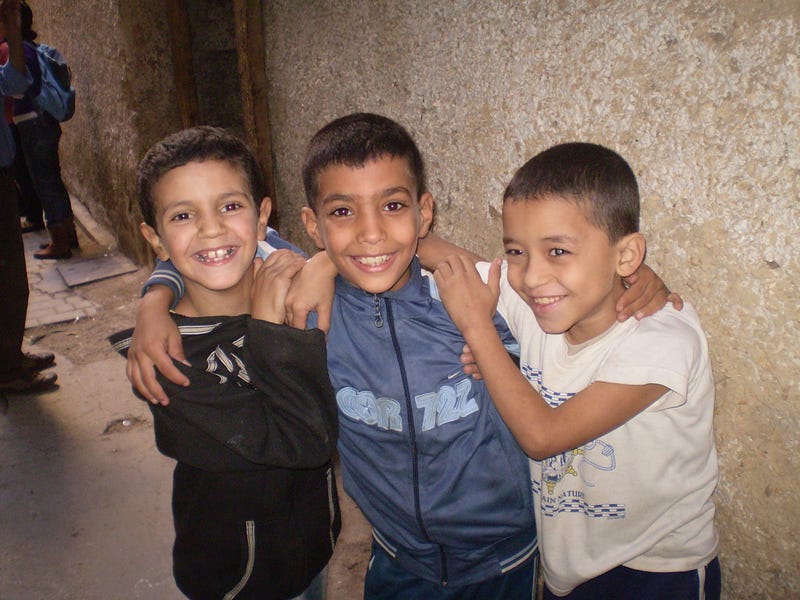
In the not-too-distant past, I observed this second, spontaneous experience of possibility while visiting a family I knew well in Morocco. In a country blessed with unequal measures of poverty and wealth, tradition and modernity, I’ve met Moroccans who may limit their dreams, goals, and what is possible in their lives via a complicated application of logic, experience, and argument.
For example, “I can do this because…” or “I can’t do this because…” Moroccans are not alone in these semantic gyrations. These are familiar phrases on which many of us hang innumerable life decisions and choices. What follows is a truncated example of how possibility, however impossible, becomes possible out of an intense desire for something more important than the impossibility of …whatever.
A dear friend began his life in a traditional Moroccan family, where, in early childhood, he was like most other kids, not particularly happy or unhappy, not well-off but not quite starving, not indulged but not ignored. All that changed when his mother, the central pivot of the family, died at a young age, leaving him, at eight, and his four siblings without a beloved mother, who, without fail, had demonstrated love and caring throughout their lives.
His father, as personality and culture dictated, was more reserved and less involved in his children’s personal lives. After his wife’s death, the father tried to fill in the gap but was hindered by his own nature and experiential limitations. A few years later, he married another woman, one suggested to him by an acquaintance. He had heard wonderful stories of this potential second wife and, apparently, believed them all. The blending of the new wife and the first wife’s children was a disaster of Grimmian proportions.
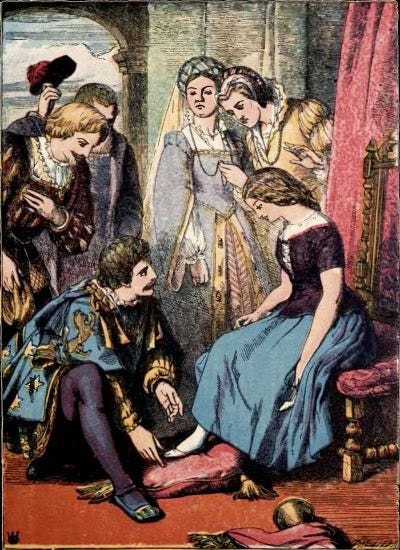
The details aren’t as important as the overwhelming sense of betrayal the children felt and the frequent occasions of step-motherly malice, neglect, and petty tyranny that became daily fare. These many years later, the second wife is beloved by none but her own two children. The father arouses complicated emotions in his first set of children and his second. How easy it would have been for his older daughter, who escaped through marriage at 16, and his older sons, who had been forced to survive without a father’s support, to sever their relationship with the father and his wife.
The reasons for doing so were countless and worthy. No ongoing relationship nor element of respect had been earned by the parental adults in this case and the ignorance of their own monumental malice and errors would seem to demand permanent separation. But, as I witnessed one momentous night, that was not grown children’s choice. One first-family son, Bachir, showed up for dinner at his father’s house. Another son, Mohammed brought his wife and infant son and behaved as though the visit, the relationship, the occasion, carried no history and no burden of reality. A third brother, my friend, arrived with his wife and guest, me. Inexplicably, the second wife laid out a delicious meal.

Knowing the family for many years, I watched, mouth mentally agape, and measured the unbelievable reach of the three brothers’ compassion and desire for family unity. They evinced no clue of their own long-held feelings or the truth of decades-long disrespect and mistreatment. All three men behaved as if their childhood hadn’t been an Alp to climb, an experience to weather, or a life to endure.
In talking to them later, I understood their choice, their shift into a paradigm where the family they wanted required muting the past and creating a clearing in which they could smile, laugh, and chat. It wasn’t a show. It was a beginning. It was them choosing to live in the possibility of what they desired most. Their father didn’t have to change or apologize. Their stepmother didn’t transform into a loving, generous spirit, though she did, indeed, cook the meal. The transformation was theirs, a willingness to take a leap, not because it was reasonable but because it was possible.
While the quotes above come from the Landmark Forum, a three-day workshop isn’t necessary to achieve these results. The men in this true story chose to set aside the past and step into a new realm of family connection. The choice put the change into existence and, based on the evidence, has sustained it.
Because of that leap, all of the first wife’s children now maintain a true fraternal closeness with the offspring of the second. Plus, the brothers’ children, in turn, will hopefully strengthen the connection, so that the ravages of emotion and scarring diminish with every successive generation. It may not work that way, but to watch possibility in action was truly inspiring.
My Moroccan friends might say, “Alhamdulillah!”