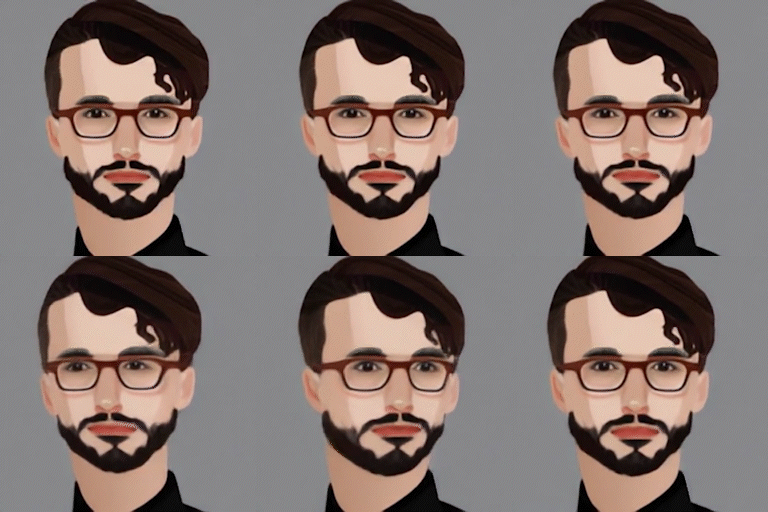
The Case For AI Generative Art
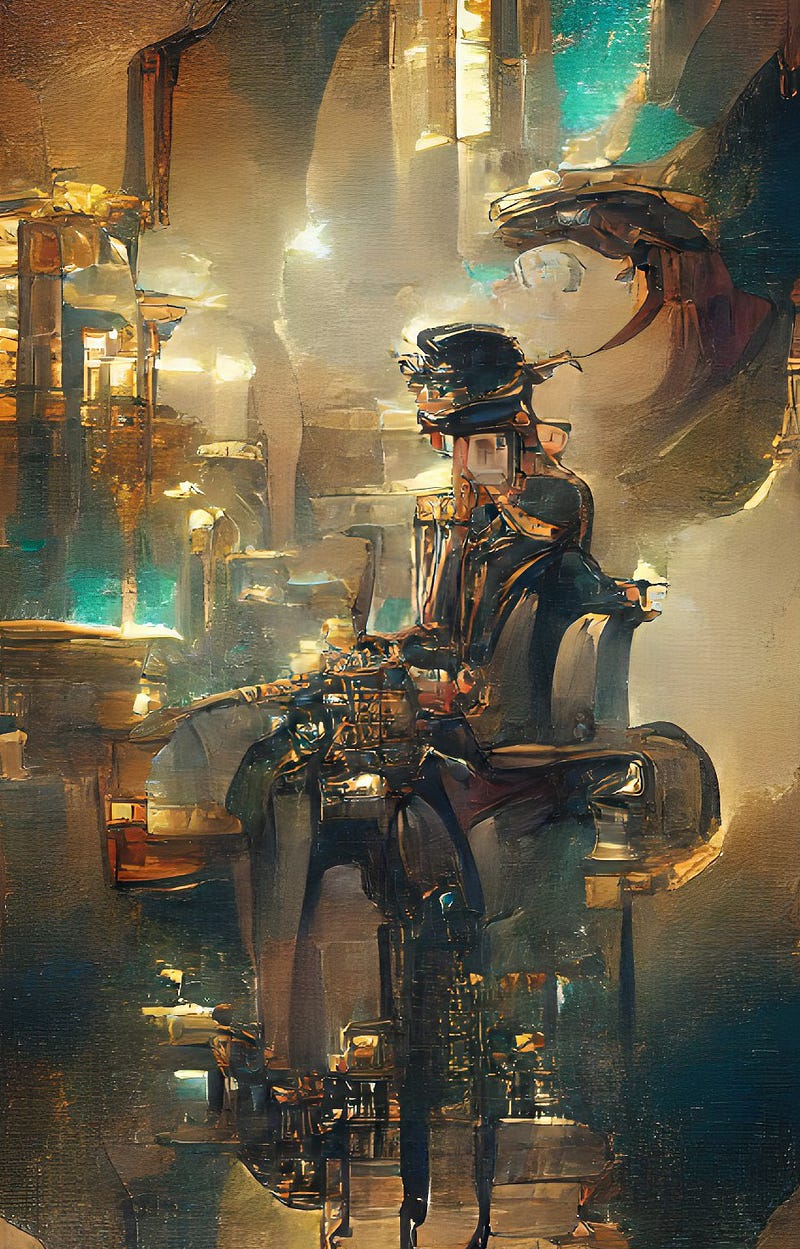
An interesting new medium has emerged in the last several years referred to as AI Generative Art or simply AI Art.
Of course generative art is not a new concept and has been around since the 1960’s, but with the rise and popularity of NFTs in the art world and the improvements of accessible AI technology, a new trend of AI generated artwork is becoming increasingly popular.
AI Art is generated in several different ways, one is considered pure AI, output through the use of text prompts or graphical inputs without any post-production work. This may include tweaking the text prompts or the use of UI sliders to fine-tune the output.
UI interface tools such as Artbreader, DeepAI, NightCafe, and WOMBO Dream can be used to create AI art, or you can choose to use code, such as a javascript library like p5.js to render AI output.
Another type of AI art is AI mixed media, which uses post-production techniques like painting, collaging, filter effects, etc… emphasizing a kind of human + AI collaboration.
But is AI Art Considered Real Art?
According to Wikipedia, a definition of art is the expression or application of human creative skill and imagination, therefore since human creativity and imagination is used to generate AI art as a form of expression, AI art is technically considered art.
But the real challenge to AI art is not in the definition, but in the acceptance as an art form in the cultural mainstream. This is not that easy as the question that is often posed by skeptics and critics alike is something like the following… Since anyone can use text to generate an AI output, what makes it so special or valuable by calling it art?
This type of question presumes that the value of art is largely defined by skill, talent and craftsmanship.
As a personal aside, this is typically how I have always valued art and music. My favorite music genre has always been Jazz fusion where the musicianship is of the highest caliber of virtuosity and skill. My favorite musician of all-time is the late Alan Holdsworth whose technical mastery of the guitar is unprecedented. On the Art side of things, my favorite historical period of art is the baroque & Renaissance era where artists like Leonardo and Caravaggio crafted amazingly detailed work.
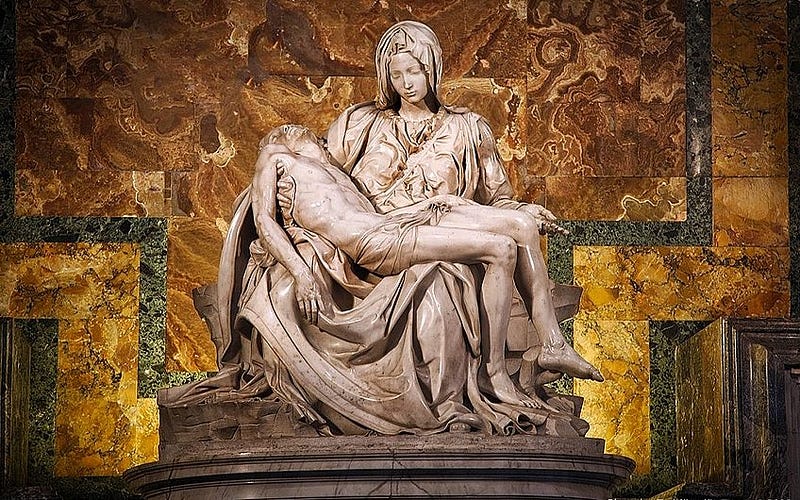
Consider that Michaelangelo carved this sculpture from a solid block of marble at the age of 23:
So what does it take then, for someone like myself who has an especially high threshold for human talent and creativity to accept AI art as real art?
The first step is a shift in mindset.
What Makes AI Art an Art Form?
It should be noted that photography wasn’t considered art at one time, and in that context, let’s rephrase that commonly used question I stated earlier… Since anyone can take a picture by pointing a camera, what makes it so special or valuable by calling it art?
Just because something takes less effort or is not derived from natural talent doesn’t disqualify it as art. The creation of art is not simply bound within the limits of craftsmanship, the creation of art is largely about human expression.
I really like this description by Catharine Bosley:
“Art is where we make meaning beyond language. Art consists in the making of meaning through intelligent agency, eliciting an aesthetic response. It’s a means of communication where language is not sufficient to explain or describe its content. Art can render visible and known what was previously unspoken. Because what art expresses and evokes is in part ineffable, we find it difficult to define and delineate it. It is known through the experience of the audience as well as the intention and expression of the artist.” — Catherine Bosley
If art is human expression, what role does AI play?
Art is an expression of our thoughts, emotions, intuitions, and desires communicated through some form of media, in this case the use of AI generators.
The AI generator functions as an interpreter of our intended input, and the prompt, just like the camera, just like the paint brush, is a means of getting to that output. The AI artist will continually tweak and refine the output until it captures the expression the artist is looking to communicate.
The artist that spends the time understanding the language of how AI responds; and spends the time refining the prompt; working with the right generator toolset, understanding genres, code, aesthetic, etc… will become a better AI artist, much like a photographer who spends the time understanding how lighting works and what lenses to use, learns to become a better photographer.
“AI is the camera for the human imagination” — Claire Silver
From a creative perspective, it’s incredibly fascinating knowing that there are new types of art that can be re-imagined with AI. The ability to combine different art styles could potentially create new unimagined movements. As a collaborative tool, AI can teach us to see new modes of art that we haven’t explored yet.
AI art is not accepted as art in the mainstream just yet, but it’s on its way. Right now, AI art is the new punk rock.