The Broken Promise of America
An Urgent Call for Bold Action to Revive Main Street
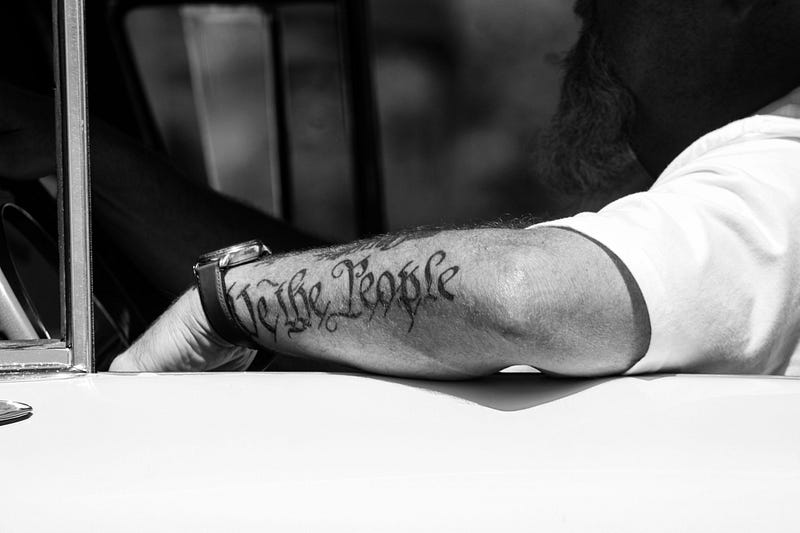
Let me take you back to a time when America was great, when the streets were alive with people connecting with each other, and the air was filled with the sounds of communities coming together.
It wasn’t a time that was great for everyone despite what some say. For many marginalized communities, it was a time of discrimination, inequality, and limited opportunities. But we had the promise that change and progress would, over time, resolve those problems so that everyone could enjoy the good times and community together.
Sadly, that never happened. Instead, we now find ourselves in a society where the gap between the haves and have-nots has grown wider, and the promise of progress seems further away than ever.
The unchecked greed of a few has led us down a path of decline, and we must now work to rebuild the community and sense of togetherness that once defined us as a nation. While we may not be able to fully recapture what we’ve lost, we can still aspire to create a brighter future and build a more equitable society for all.
Back in those early days, at least in our heads, we though it was a time when we looked out for one another and worked together to build a better future for all.
As far as some of us privileged folks were concerned, we saw that it was a time when small towns across the country were filled with bustling mom and pop shops, each one a neighborhood hub where locals would gather to catch up and share stories.
The local bars were more than just places to grab a drink; they were where people went to connect with others and share laughter over just about anything. From small talk to deep conversations, these were the places where we forged new friendships and strengthened old ones. The same was true of community events, where the whole town would come out to celebrate together. Whether it was a parade, a festival, or a simple block party, these gatherings were the glue that held us together and made us feel like a real community.
The sense of community was palpable, and a helping hand was never far away. For many of us, those memories still bring a smile to our faces, and we long for a return to those simpler, more optimistic times.
But somewhere along the way, things changed.
Unchecked corporate power took hold and the slow incremental decay of what used to be a people-centric society began. The vision we the people had for America began to slowly unravel. The sense of community that once defined us began to dissipate, and the hope and promise of the future seemed to fade away. It’s a far cry from the America we once knew and loved.
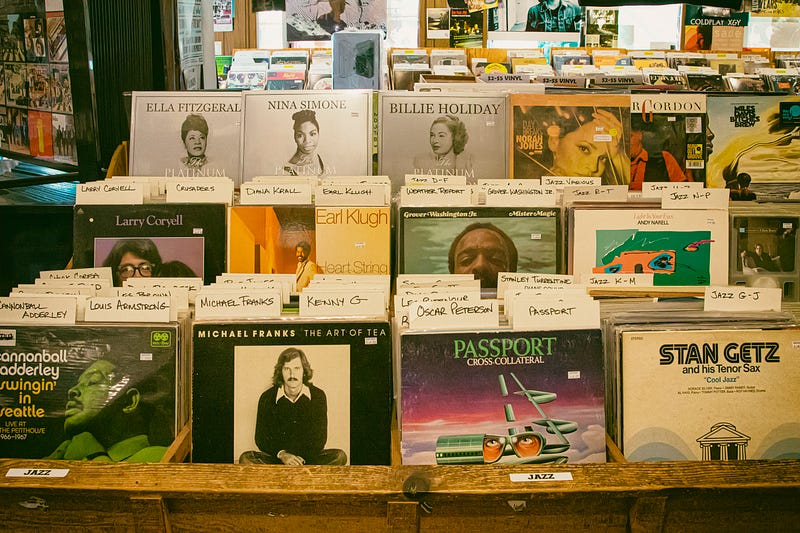
Lost in Transition
Today, we find ourselves in a corporatocracy, with people struggling to fit in and make ends meet. The insatiable greed that’s built into capitalism has permeated every aspect of our society.
Over time, it has infested every nook and cranny, resulting in no aspect of modern America being untouched by the many arms of this great monster we call an economy. From the smallest corner store to the largest corporation, the drive for profits has become the driving force behind every decision made. And we have to admit, we’ve created a monster.
Perhaps it’s not too late to rein in the unchecked power of capitalism and redirect our priorities towards the common good, for the benefit of all people, not just the wealthy few. But so far, every effort to stave off the viral aspects of unfettered capitalism has been thwarted by the immense power of the purse that the corporatocracy clings to. It seems that the voices of everyday people are drowned out by the deafening roar of corporate interests. But we must continue to stand up and speak out, to demand a society that works for all people, not just the privileged few. For only then can we hope to build a future that is truly just and equitable.
As for my outlook on positive change, I must confess that I have lost much of my faith in society’s ability to make progress towards a more people-centric future without some form of radical upheaval.
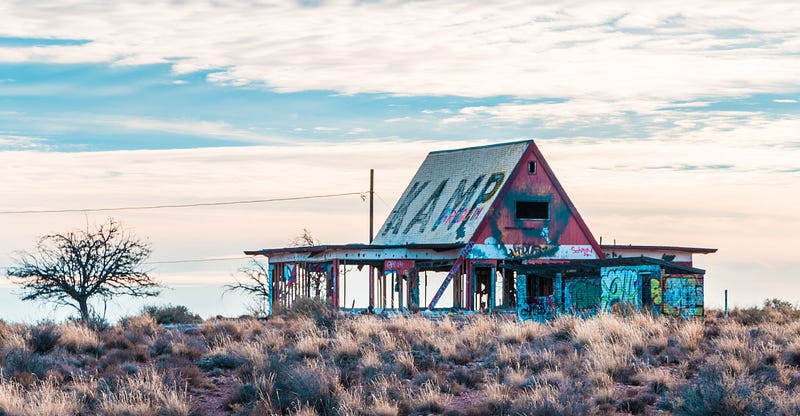
WTF Happened?
But how did we get here? It wasn’t always like this.
In the past, capitalism was more regulated, with checks and balances in place to ensure that many of the needs of the people were being met (at least for some and hope for the rest someday).
But over time, those regulations fell away, and the interests of corporations took priority over the needs of the people. This unfettered capitalism has created a system in which the rich get richer, and the poor get poorer. Wealth inequality has skyrocketed, and corporate greed has become the norm. The consequences of this shift have been disastrous, and the effects are felt in every corner of our society.
One of the most significant consequences of unfettered capitalism has been the decline of small businesses. Mom and pop shops used to dot the landscape, providing jobs and serving as the backbone of our communities.
But now, those small businesses have been replaced by big corporations, which prioritize profits over people. The effects of this shift have been devastating. Job losses have occurred as corporations close down local businesses, and communities have become homogenized, losing their unique character and charm. We’ve traded our sense of community and individuality for a bland, corporate sameness that pervades every corner of our society.
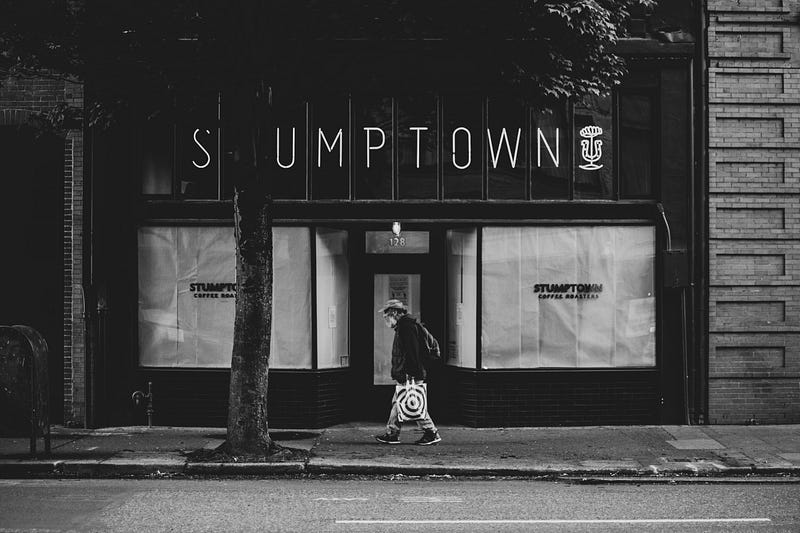
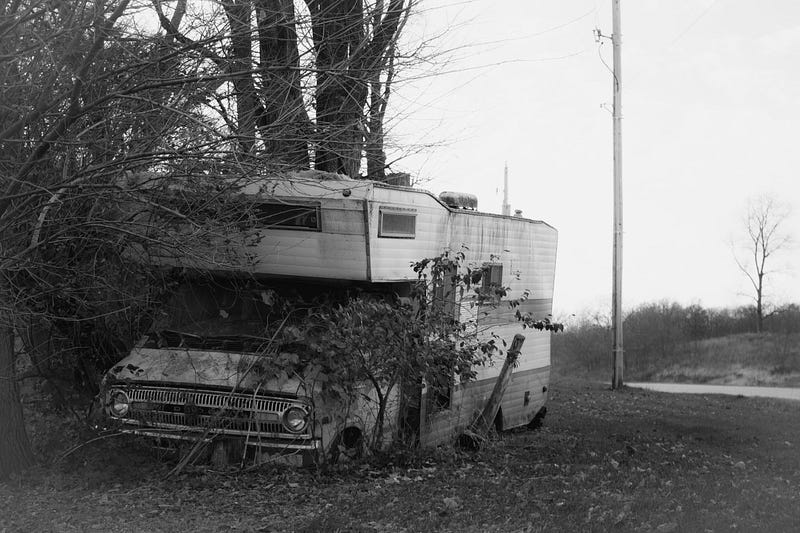
The impact of unfettered capitalism is not just felt in the decline of small businesses but also in the decline of our communities. Urban decay and abandoned buildings are now commonplace, leaving communities struggling to survive. The effects of this decline can be seen everywhere, from the homeless people living in the streets to the empty and abandoned buildings that once housed thriving businesses.
Our communities have become disconnected and somber, with people struggling to make ends meet and the sense of community that once existed all but vanished.
Unfettered capitalism has also taken its toll on the environment. In the pursuit of profits, corporations have prioritized their bottom line over the health of our planet. The result has been devastating, with pollution and the destruction of natural resources becoming commonplace.
The effects of climate change are now impossible to ignore, and the damage done to our environment will have lasting consequences for generations to come. We must take action to ensure that our planet is protected, and that the needs of the people are not sacrificed for the sake of corporate profits.
The impact of unfettered capitalism is not just felt on the environment and our communities, but also on individuals. Increasing debt and economic insecurity have left many struggling to survive paycheck to paycheck. Stress and poor health have become commonplace, as people try to navigate an economic system that seems rigged against them. We must prioritize the needs of individuals over the interests of corporations and work towards a society that is centered around the well-being of all people, not just the wealthy few.
The pandemic has only highlighted and worsened the problems caused by unfettered capitalism. While communities and individuals struggle to make ends meet, big corporations and the government have taken advantage of the crisis to further their own interests. The effects of this pandemic will be felt for years to come, and we must work to ensure that the needs of the people are prioritized in the recovery process. We cannot allow the rich to get richer while the poor suffer, and we must work towards a more equitable and just society.
“If you have an economic system in which pharmaceutical companies benefit from medical emergencies, where the military industrial complex benefits from war, where energy companies benefit from energy crises, you are going to generate states of perpetual crisis where the interests of ordinary people separate from the interests of the elite”
— Russell Brand
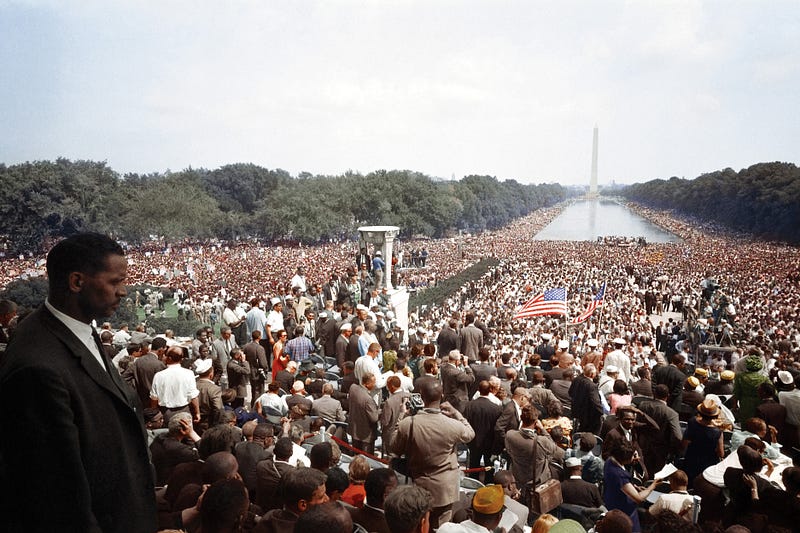
The Myth of American Exceptionalism
Despite overwhelming evidence to the contrary, some continue to embrace the status quo and dismiss the problems associated with it as acceptable collateral damage.
There are those who argue that while capitalism may not be perfect, it is still the best system we have and a key factor in what has made America great.
While it’s true that capitalism has led to some remarkable advancements, it’s also important to acknowledge that it has also been the root cause of much of the suffering and inequality we see today. To say that it’s the best system we have is to ignore the harm it has caused and to overlook the possibility of other, more equitable systems that could better serve the needs of all people.
Another well-worn sentiment is that those who are critical of capitalism are free to leave, a sentiment that fails to acknowledge the importance of engaging in constructive dialogue and working towards meaningful change within our society.
Although we are fortunate to enjoy a great deal of freedom in this country, that doesn’t mean we should turn a blind eye to the many problems that exist within our society. To suggest that those who criticize capitalism should simply leave is to ignore the fact that we all have a responsibility to work towards a better future for all people, regardless of where we come from or what our beliefs may be.
Many defenders of capitalism argue that greed is simply a part of human nature and cannot be changed, a claim I’ve heard time and again.
While it’s true that some may argue that greed is an inherent part of human nature, this does not mean that we should accept it as an unchangeable fact. Instead, we should strive towards creating a system that incentivizes cooperation and compassion over greed and self-interest. We should work towards a society that values the well-being of all individuals, rather than just the select few at the top.
The Broken Contract
The Preamble to the United States Constitution states that its purpose is to “establish Justice, insure domestic Tranquility, provide for the common defence, promote the general Welfare, and secure the Blessings of Liberty to ourselves and our Posterity”.
In essence, it is a contract between the government and the people of the United States, outlining the responsibilities and obligations of each party.
But in recent years, it’s become increasingly clear that this contract has been broken. The government has failed to uphold its end of the bargain, prioritizing the interests of the wealthy and powerful over the needs of the people. We’ve seen the erosion of our civil liberties, the rise of income inequality, and the neglect of our communities and infrastructure.
This broken contract with America is a direct result of the unchecked power of corporations and their influence over our political system. We’ve allowed them to rig the game in their favor, while the rest of us are left to struggle to make ends meet.
This is why America is no longer that promised land.
But we must not give up hope. We must demand that our elected officials prioritize the needs of the people over the interests of corporations. We must push for meaningful campaign finance reform, and for regulations that level the playing field for small businesses and everyday Americans. And we must hold our elected officials accountable when they fail to live up to the promises of the Preamble and the Constitution.
In short, we must work together to reclaim the spirit of the American contract, and to build a society that truly reflects our values and priorities. A society where justice, equality, and the general welfare of all people are placed above the interests of the wealthy and powerful few.
“When injustice becomes law, resistance becomes a duty” — Thomas Jefferson
Demands for Bold Action
What if we demand better from our government, and yet they continue to stall, waste time, and prioritize the interests of big corporations over the needs of the people? What if we continue to see the same patterns of inequality, poverty, and despair, while our leaders remain complacent and entrenched in their own power?
In the face of such inaction and indifference, bolder action is needed.
We cannot wait for our leaders to finally wake up and take notice of the dire situation facing our country. We must find ways to force our leaders to act with urgency, to implement bold and transformative policies that address the root causes of poverty, inequality, and systemic injustice.
We must demand accountability and transparency from our elected officials, and hold them to the promises and commitments they made to us as part of the social contract. We must unite as a people and demand that our leaders prioritize the needs of the people over the interests of powerful corporations and wealthy elites.
It’s time to take a stand and demand a better future for ourselves and for future generations. We cannot afford to kick the can down the road any longer. The time for action is now. We must act boldly, with courage and conviction, and work towards a more just, equitable, and prosperous society for all.
“Those who make peaceful revolution impossible will make violent revolution inevitable.” — John F. Kennedy
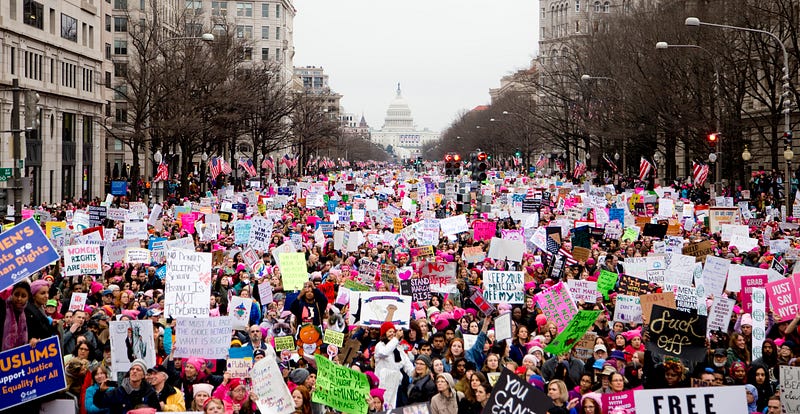
Reclaiming the Spirit of America
As I look back on the America of my youth, I remember a time when communities were tight-knit, when small businesses thrived, and when people looked out for one another. It was a time of hope and optimism, a time when we believed that we could create a better future for ourselves and for future generations.
But somewhere along the way, we lost sight of that vision. We became consumed by greed and the pursuit of profit, and we forgot about the people who make up the backbone of our society. We’ve allowed our communities to crumble, our small businesses to wither, and our people to suffer.
But it doesn’t have to be like this. We can do better. We can choose to prioritize the needs of individuals and the environment over corporate profits. We can work together to rebuild our communities and support small businesses. And we can rekindle the spirit of hope and optimism that once defined this great nation.
It won’t be easy, and it won’t happen overnight. But if we’re willing to roll up our sleeves and do the hard work (that’s code for massive uprising and protest on a grand scale), we can build a brighter future for ourselves and for generations to come. Let’s embrace that challenge and work towards a better tomorrow, boldly, one big step at a time.
The decline of our society is not something that we should accept as inevitable. We must take action to change our current trajectory and work towards a better future for all. We must push for regulations that prioritize the needs of individuals and the environment over corporate profits. We must work to rebuild our communities and support small businesses. And we must prioritize the well-being of individuals over the interests of corporations. It won’t be easy, and it won’t happen overnight, but we can build a better future for ourselves and for future generations.
Final Thoughts
As a nation, we stand at a crossroads… I know that sounds cliché, but we are faced with a choice between complacency and bold action.
We cannot rely solely on the act of voting as a means of enacting change, as the current two-party system has failed to bring about meaningful progress for decades. To truly make a difference, we must take bold and swift action outside of the electoral process.
If we are to build a better future for ourselves and for future generations, we must be willing to take decisive action, to demand more from our leaders, and to hold them accountable for the promises they made to us.
The time for half-measures and incremental change has passed. We must be bold and act with urgency if we are to overcome the many challenges that we face as a society. We cannot afford to prolong our current situation any further, and we must be willing to do whatever it takes to build a more just, equitable, and prosperous future for all.
Erik Blair is a jack-of-all-trades. He’s been in the armed forces, worked as a cop, held a few different leadership positions, and is currently self-employed as a web developer, content writer, and dabbles in AI prompt engineering. Erik is a published author who contributes to a variety of publications; in his spare time, he also enjoys writing, traveling, photography, and technology.