
The Brain Plasticity Revolution: Reimagining Mental Health Through Mindfulness
Unveiling the Transformative Power of Mindfulness in Shaping Our Mental Landscape

“The only constant in life is change,” Heraclitus said, and he wasn’t just whistling Dixie. Especially when it comes to the labyrinthine corridors of our brains. Neuroplasticity, the brain’s version of a quick-change artist, is the star of this show. And who knew that the ancient art of mindfulness could snag a leading role in this cerebral drama?
Understanding Neuroplasticity
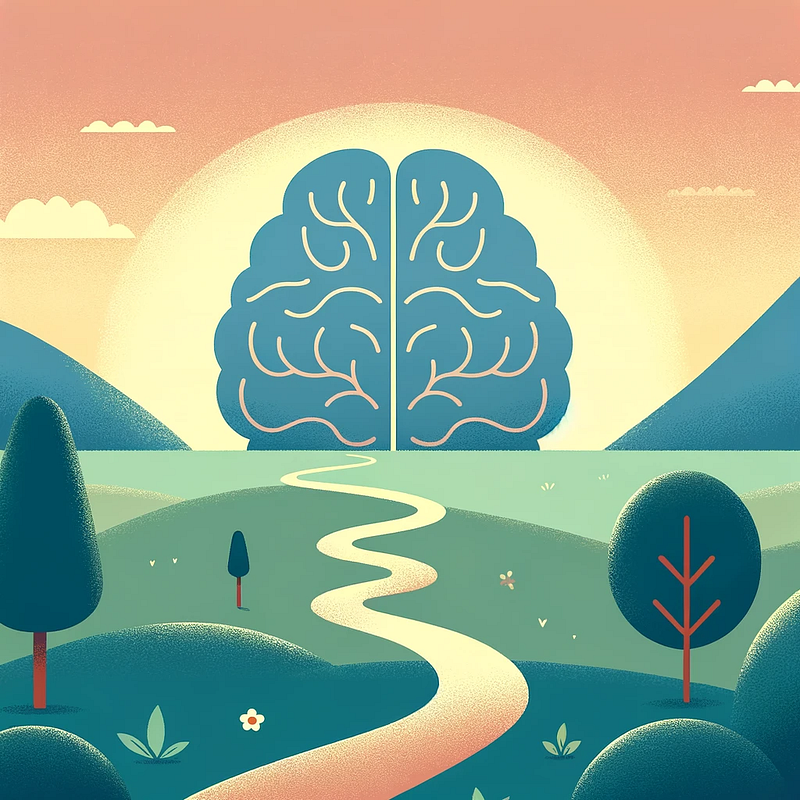
Once upon a time, we thought our brains were like hard-wired machines, fixed and unchangeable past a certain age. Enter neuroplasticity, a concept as revolutionary as Einstein’s e=mc², shattering the notion that our brains are static entities. This brain plasticity means our grey matter can rewire and adapt throughout our lives. It’s a neural jazz, improvising new connections and pathways in response to our experiences and learning.
The Mindfulness Connection
Mindfulness, a concept older than the hills but as fresh as this morning’s avocado toast, has crept into the limelight of mental health with the grace of a ballet dancer. It’s not just about lighting a candle and chanting ‘Om.’ No, it’s about awareness and training the brain to be more in the moment. So, this simple act of focusing our attention can physically reshape our brain, making it as pliable as Play-Doh.
Melissa Hogenboom’s Brainy Adventure
Let’s take Melissa Hogenboom’s story. As a science journalist, she’s more than familiar with the latest brain discoveries. But this time, she chose to take part in an actual brain study. And after completing a six-week mindfulness course, her brain scans showed undeniable changes that would make even the most skeptical person give pause. Parts of her brain responsible for emotional regulation and stress response actually changed in size. Talk about a mind-bending experience!
Beyond the Individual: Societal Implications
And this isn’t just about navel-gazing or self-improvement. The ripple effects of mindfulness could potentially revolutionize mental health care. Imagine schools where children learn mindfulness techniques alongside algebra — workplaces where mindfulness breaks are as regular as coffee breaks. We could be on the cusp of a societal transformation, with mental well-being taking center stage.
Mindfulness Techniques for Everyday Life
But let’s get real. Mindfulness isn’t some woo-woo discipline attainable only by Zen masters. It should be something as routine as showering or clipping your toenails. So the next time you feast on a meal, pay attention to each flavor and texture; savour the food as if you’ve never experienced it before. Or, when walking, bring your attention to the movement of each step and focus on the inhalation and exhalation of your breathing. It’s about tuning in, not tuning out.
Personal Stories and Testimonials
And it’s not just Melissa who’s singing mindfulness praises. There are stories galore, from stressed-out CEOs finding their Zen to overworked parents discovering a moment of peace amidst the chaos. It’s a chorus of varied voices, all finding a common thread in the tapestry of mindfulness.
The Future of Mindfulness and Mental Health
So, what next? We are witnessing a new paradigm in mental health. With mindfulness steering the ship, we’re well on our way to navigating toward a future where mental fitness is as normal as hitting the gym. It’s a genuinely awe-inspiring new direction that will inevitably reshape our brains and our very lives.
In conclusion, dear readers, as we find our way through this life, let’s consider the incredible power we can harness within our minds — the power to chart a new course in our evolution. Mindfulness may be a bit of an overused buzzword these days. But I firmly believe it can activate the brain’s unlimited potential to a new level. So, do you think it might be time to make this a part of your daily routine? Who knows what neural paths you might forge?
Engage with the wonders of your mind, and stay curious, my friends.
Recommended reading:
Note to Readers: This article may contain affiliate links. If you click on these links and make a purchase, I may receive a small commission at no extra cost to you. These affiliate partnerships help support my work and allow me to continue bringing you valuable content. Rest assured, the inclusion of any affiliate link does not influence the editorial content of this article. Thank you for your support!


