
The Black Beach on My Porch
GiaB prompt #2–4 the beach
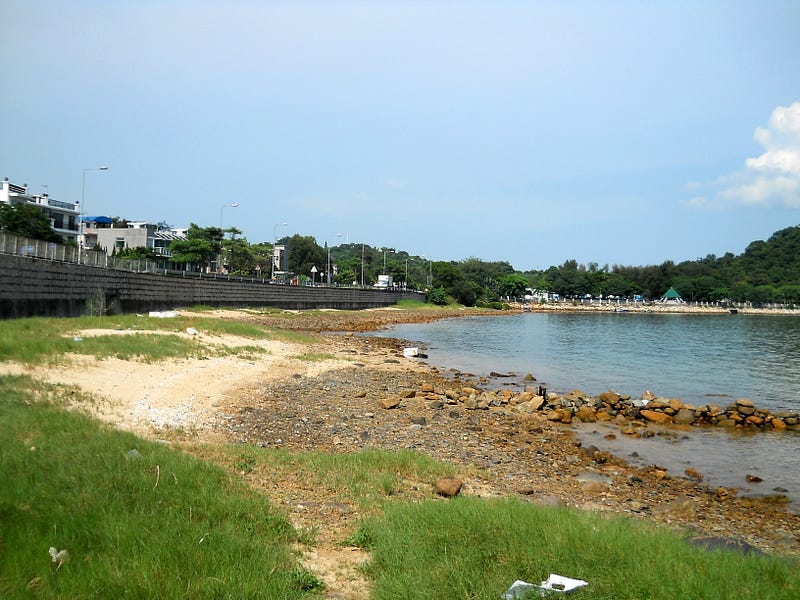

Hong Kong is blessed as one of the few major cities dotted with natural beaches, mangroves, and rocky bays along the shoreline, and even more so with abundant wildlife unique to the region. While we hype about sunshine and beaches year-round, and the car parks become fully occupied every summer, many would prefer the clear waters of Okinawa or the waterfront of East Taiwan which overlooks the Pacific, and probably with good reason — after all, their beaches don’t poison. But this doesn’t diminish the relationship between beaches and us.
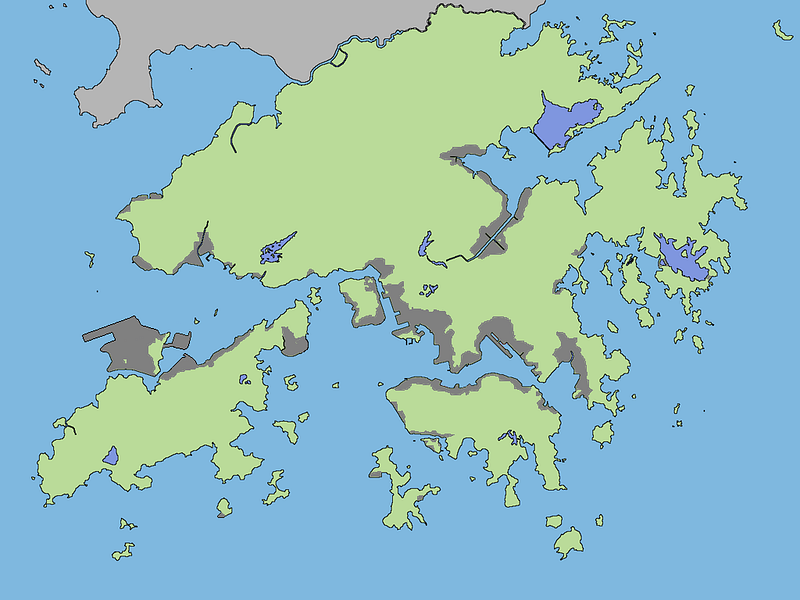

Our shoreline has long been developed to provide the necessary housing, recreational areas, and commercial areas for the citizens that call this city home. Reclamation is deeply intertwined with our history, and the first projects date back to the nineteenth century, during which we were nothing but a colony of Great Britain. As students, we look back to our natural shoreline and compare it to how it is now, then awe at how most of the places we now know as the heart of the city happen to be on reclaimed soils.
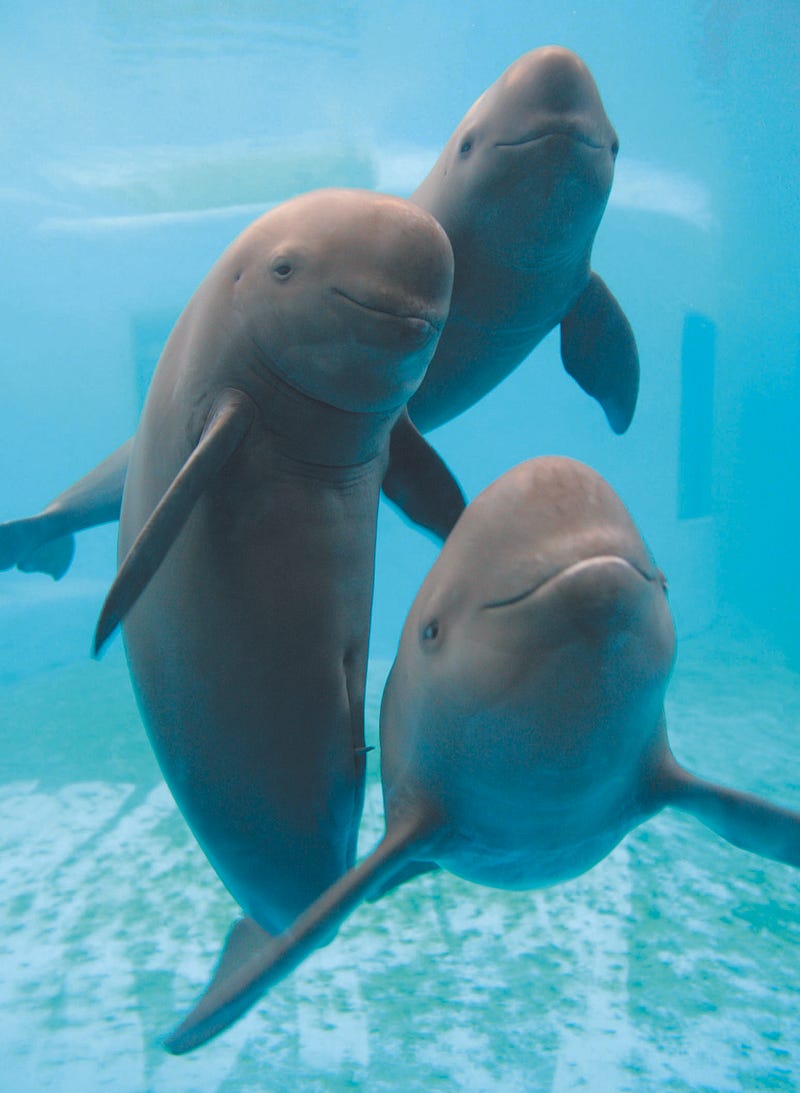

Long gone were the days when our economy was booming too fast to consider natural lands. Emerging marine research of our coastal waters combined with a newfound awareness of the environmental impacts of reclamation further intensifies the opposition against reclamation. Just in the last fortnight, proposals to simultaneously erect the third runway of the International Airport and the waste management facilities were met with great discontent because of the perils posed to the endangered Sousa chinensis (Chinese white dolphins) and vulnerable Neophocaena phocaenoides (Indo-Pacific finless porpoises).
Yet all is not lost. While these events are worrisome, Mother Nature has proven time and time again that it does strike back.
This summer, much attention has been drawn by the numerous news outlets about the newly-redeveloped Lung Mei artificial beach. Within days of reopening, there were hundreds of injury reports due to sea urchins and jellyfish, and there were even rumours of attacks from stonefish. In the following rainstorm, the artificial golden sand was reported to have turned black due to the action of bacteria in anaerobic environments, which produced toxic sulphur dioxide. Experts have warned against beach-goers having such sand near their soles — some predicted that the golden coasts we dreamt of now sounded the prelude of a nightmare.
But normal beaches don’t just become black and foul-smelling.
A few years back, the government came forward, proposing to redevelop Lung Mei, a natural stretch of coast, into an artificial beach. They argued that the habitat housed no more than 40 species, and that the fish and seahorses would know better and swim away during the construction efforts. Meanwhile, local conversationalists and World Wildlife Fund estimated over 300 marine species populating the waters, rocks and sand, urging the government to think twice before setting the proposal into motion, but to no avail.
Pushing through the legislation forcefully, the bill was passed, and the beach redeveloped. For ten years we poisoned the beach, and now it’s returning the favour.
With the world slowly opening up, we might be able to travel internationally, but it might still take time before reasons as trivial as visiting those beaches that we love and long for are accepted. For now, we are stuck with our toxic, pungent beaches — and while we can complain and rant about it, we must remember: we ruined them ourselves.
Take care of your beaches, and your beaches will take care of you.
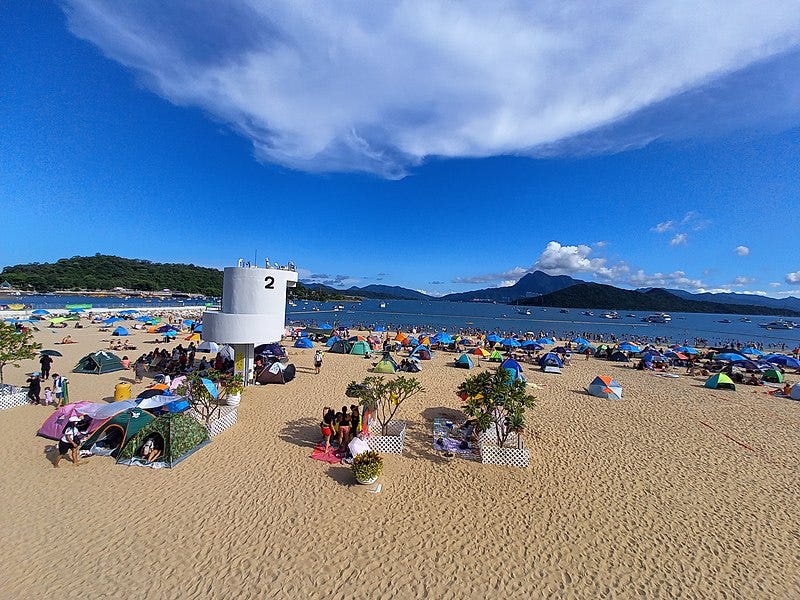

I would like to thank Victor Sarkin from GiAB for adding me as a new writer on the platform, and for his prose and prompt which inspired me to write this piece on beaches that I never thought I would come to love.
Now I would like to nominate a few others to participate in this too:
Fit$ Stephanie S. Diamond VWA Nidhi Kala Jennifer Ugwoke The Color Orange Clara Elbaz Abhay Gupta Natalia Moon Mai Lan HOANG