
The Biological Relationship of Genius and Madness
Arthur Schopenhauer: “Genius lives only one story above madness.”

One of the most important etiological perspectives from which the scope and effects of mental illness can be evaluated and defined lies in its biological roots. Often, in tracing the genetic disposition of a mental illness, patterns and correlations can emerge.
One such interesting pattern is the development of artistic genius along with mental diseases such as manic-depressive disorders or psychotic disorders. Many famous poets and writers such as Melville, Blake, Shelley, Byron and even Coleridge showed definite symptoms of the genetically influenced maniac- depressive disorder.
Manic-depressive disorders perpetuate genealogically. This is because the symptoms of the disorder are actually the result of an inappropriate or misguided synthesis of certain neurotransmitters.
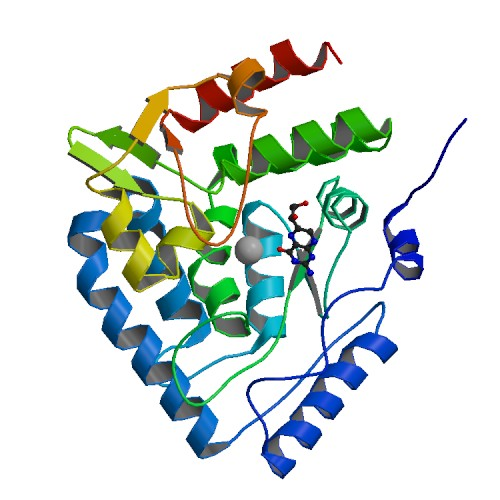
DNA and certain functional sections called genes that encode for specific proteins direct the synthesis of neurotransmitters. An association study details this very process, exploring the link between the tryptophan hydroxylase (TPH) gene and the predisposition to manic-depressive disorder in the person. The TPH gene codes for a rate-limiting enzyme involved in serotonin synthesis, and this is one of the factors that affects susceptibility to manic-depressive illnesses (Bellivier et al., 1998).
An investigation using patients with the relevant medical dispositions revealed a significant association between the TPH gene and manic-depressive disorders, but no association between the gene and suicidal behavior. This study grounds the biological basis of these disorders: genes affect the regulation of vital neurotransmitters and result in “madness”. In discovering the biological etiology of madness in this way, it is possible to hypothesize that imbalances in hormonal or neurotransmitter regulation may lead to aspects of genius or creativity as well.
Though the biological pathways for what makes a genius or for how certain biological mechanisms are related to both genius and madness are largely unexplained, there are significant correlations between individuals afflicted with mental disorders, but have extreme amounts of originality and genius simultaneously.
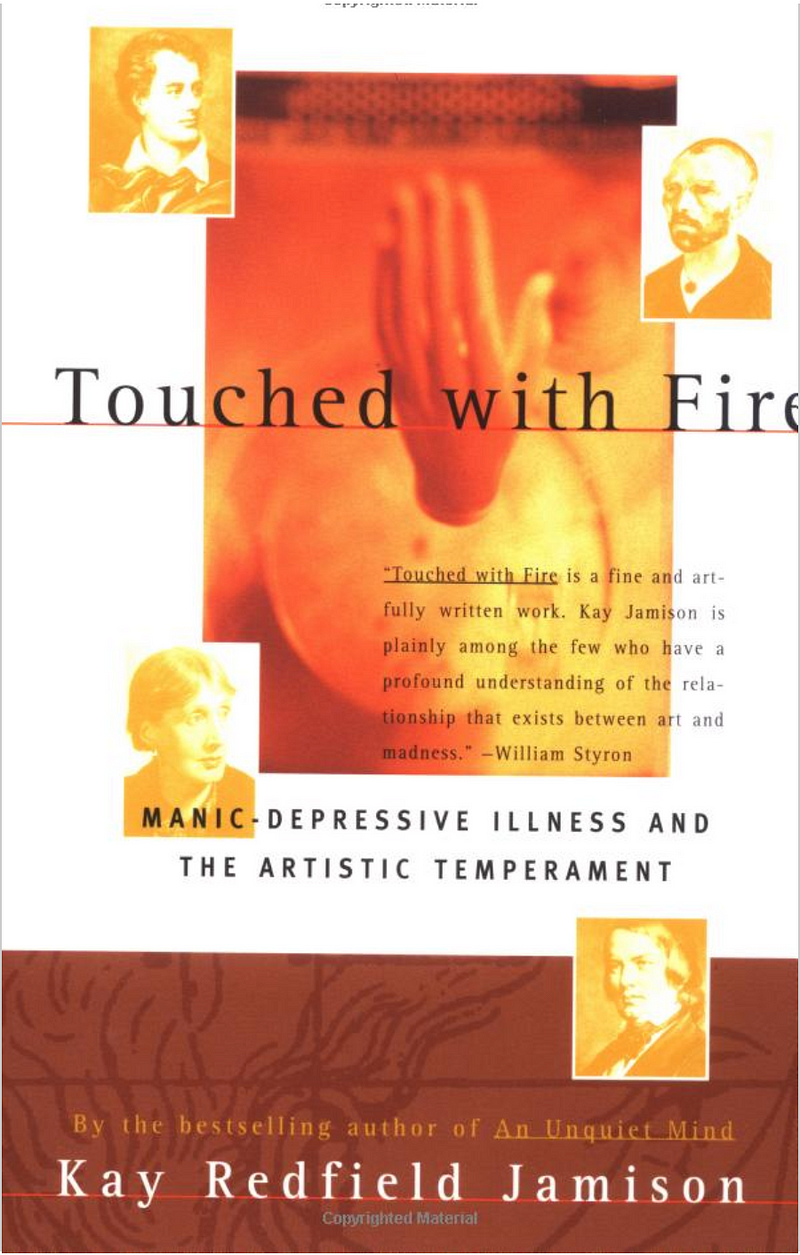
The work Touched With Fire, attempts to detail these correlations and provide qualitative accounts of the subjective experience of famous artists afflicted with such conditions. For example, Samuel Coleridge has a disposition of: “extended and recurrent melancholia. Mercurial, restless, extravagant, grandiose… family history of affective illness and suicide” (Jaimson 62).
Next, consider Lord Byron or Percy Bysshe Shelley. Both had recurrent agitations and melancholia, as well as “paroxysms of rage” (Jaimson 62). These are definitive manifestations of mental illness: the large fluctuations in mood indicate that these people are sufferers of manic-depressive disorder. The family histories of maniac-depressive disorder present for these three artists are also strengthen the case, if we consider the biological predispositions that make one more vulnerable to these diseases discussed previously.
Despite their mental illness, these writers were also undoubted influences on the canonical literature, Coleridge with his Rime of the Ancient Mariner, Byron’s Don Juan, or Shelley’s Ozymandias are all frequently part of a fundamental literary curriculum for students.
These are not isolated cases either, Touched With Fire gives a statistical basis for its hypothesis on the connection of madness and genius: “A very high percentage of the writers and artists, 38 percent, had been treated for a mood disorder. Of those treated, three-fourths had been given antidepressants, lithium, or had been hospitalized” (Jaimson 76).
Other fields of creative work show similar trends, with poets having required medication for their depression (33 percent) or playwrights having the highest total rate of required treatment for depression (63 percent) (Jaimson 76). These trends imply that the association of madness and genius is not merely incidental and isolated, but that both have significant relationships to the other.
Though the scientific literature on the relationship between madness and genius is limited, some preliminary studies exist on the issue, and these corroborate with some of the qualitative accounts of Touched with Fire.
Showing this corroboration will elucidate the usefulness of the biological etiology in understanding the relationship between madness and genius objectively. The study, Creativity and Psychopathology: A Shared Vulnerability Model asserts that highly creative people have elevated risks to certain psychopathologies (mood disorders, schizophrenias, etc.) and that these risks actually enhance their creative capabilities.
Further, the model is supported by recent findings in neuroscience and molecular genetics, and states that: “biological determinants conferring risk for psychopathy interact with protective cognitive factors to enhance creative ideation. Elements of shared vulnerability include cognitive disinhibition, an attentional style driven by novelty salience, and neural hyperconnectivity…” (Carson, 2011).
These technical terms translate to the notion that psychopathy reduces cognitive limitations and increases awareness through causing the afflicted to focus on the original and to be able to connect many disparate ideas (due to neural “hyperconnectivity”).
Jaimson’s qualitative work has chilling parallels to these ideas. Consider Melville’s own grandiose descriptions of a fossil whale: “Give me a condor’s quill… they weary me, and make me faint with their outreaching comprehensiveness of sweep, as if to include the whole circle of the sciences, and all…” (Jaimson 219).
This grandiosity and comprehensiveness of the passage parallels to the biological basis of decreases in cognitive inhibition that may have created increased awareness and increased abilities for Melville to form these wide connections and broad comparisons in his work.
It sheds insight into the troubled nature of the creativity that cultural and literary icons possess, but often at the cost of their mental well-being.
PS: If you’ve enjoyed my work and want to support me, you can become a Medium member using my link for a relatively low cost of $5 or so per month!

Thanks for reading Writers Guild — A Smedian publication
Join our Facebook Group. Write for us. Share your many stories on ManyStories.com
