Philosophy Psychology Self Improvement
The Biological and Environmental Factors That Regulate Our Will: Being Aware of The Effects of Our Genes and Histories
The idea of free will has always fascinated people and formed the basis of our ethical and moral systems.
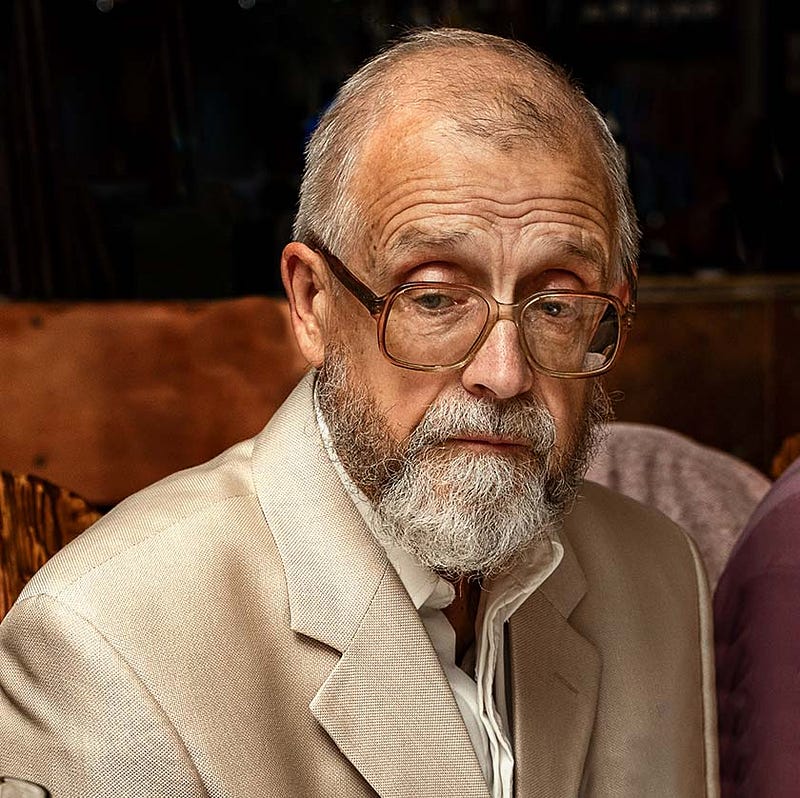
We think that everything we do and say is a direct outcome of deliberate thought and behavior motivated by our own goals and aspirations. A rising amount of scientific evidence, however, casts doubt on this long-held assumption. Our wills do not originate from within ourselves. Background causes of thoughts and intents exist, but we don’t know about them or have any control over them consciously.
A Dispelling Myth About Free Will
Because there are so many complicated aspects that influence human behavior, my limited comprehension of these factors gives rise to the illusion of free will. I tend to blame my mind alone for my deeds, ignoring the complex network of biological and environmental factors at work below the surface. According to research in neuroscience, my brain is always working behind the scenes, processing data and making decisions even when I don’t realize it. This casts doubt on the idea that my ideas and intentions are completely within our control.
Biological variables impacting my decision-making
A large part of what determines my will is my genetic makeup. Personality traits, IQ, and vulnerability to mental disease are just a few areas of behavior that have been linked to genetics, according to studies. Environmental factors could exacerbate or lessen certain genetic predispositions, demonstrating how genes and the environment might interact to shape my will. Research has shown that certain gene variations are associated with aggressiveness and impulsivity, for example, demonstrating that decision-making abilities have genetic roots.
Contextual elements that influence my decision-making
My biology lays the groundwork, but my environment shapes my will as well. The factors that greatly impact my decision-making include my social interactions, cultural background, socio-economic status, and upbringing. For instance, whereas those of us who grow up in an angry and violent home may become aggressive adults, those who are loved and supported at home are more likely to be empathetic and caring. What we do with our lives affects not only our decision-making but also the way our brains work and the connections between neurons.
The role played by genes in shaping my conduct
While my genes certainly play a significant role, it’s critical to remember that they can’t spell out every detail of my behavior. In reality, a complex interaction between our genes and our environment shapes my behavior. For example, although some people may have a genetic predisposition to addiction, contextual factors like drug exposure and social support networks determine whether that propensity turns into a real addiction. Although the genetic lottery does set the stage, the interaction between genes and my environment ultimately determines my behavior.
The role of our upbringing and surroundings in shaping my decision-making
My upbringing's values, beliefs, and expectations have an impact on how I perceive the world and the choices I make. Further influencing my decision-making are societal influences and cultural conventions, which frequently lead me to conform rather than exercise personal autonomy. In addition, when I experience environmental stresses like poverty, prejudice, or trauma, my emotional reactions can take precedence over my cognitive decision-making abilities.
What might a deterministic universe mean for ethics?
Morality becomes murkier because my will isn't free but rather the result of my biology and environment. Assumption number one, that people are endowed with the capacity to discern between right and wrong, is foundational to the conventional view of moral responsibility. But in a deterministic universe, when external forces decide our actions, moral responsibility is called into doubt. Is it fair to punish someone when their deeds were a product of their predetermined upbringing and genetic makeup?
The link between moral responsibility and free will
Philosophers disagree on how free will relates to moral responsibility. Moral responsibility, according to these proponents, can persist even in a deterministic universe as our biology and environment mold our character and values. Some people think that moral duty is meaningless if we don’t have a real choice. Then, is it possible to hold us ethically responsible for our acts if we do not have the freedom to choose differently? These questions make us reevaluate our present justice systems and our very notions of right and wrong.
The free will philosophical controversy
For generations, philosophers have argued about the nature of free will, and no clear winner has emerged. Free will and determinism, the view that everything happens because of causes and effects, are at odds with one another, and this has led philosophers to consider competing views like compatibilism and hard incompatibilism. As long as our deeds are in line with our goals and wishes, compatibilists contend that determinism and free will can coexist. Conversely, hard incompatibilists deny that free will can exist in a universe that is essentially predetermined. This never-ending discussion shows how complicated the problem is and how much more research is needed.
Free choice, environment, and biology all interact in intricate ways.
Our wills are not independent entities, as we often assume. Intentions and thoughts do not materialize out of nowhere but rather are the product of a nuanced interaction between our biology and our surroundings. While heredity gives us a leg up, our childhood and surroundings do much to determine our fate.
Our inadequate grasp of these underlying forces is the reason why the illusion of free will endures. A deterministic universe poses serious problems for our long-held ideas about free will and calls into question our sense of morality and personal responsibility. The more we learn about the human mind, the more obvious it is that our current situation is the result of a chain reaction of uncontrollable biological and environmental changes.
Reflect on the factors that have shaped your own will and consider the implications of a deterministic world on your sense of moral responsibility.
Please Follow Me for more personal insights. Thank You!