
Relationships
The Biggest Mistake In New Relationships
How To Avoid This Mistake & Balance Out The Relationship From The Start
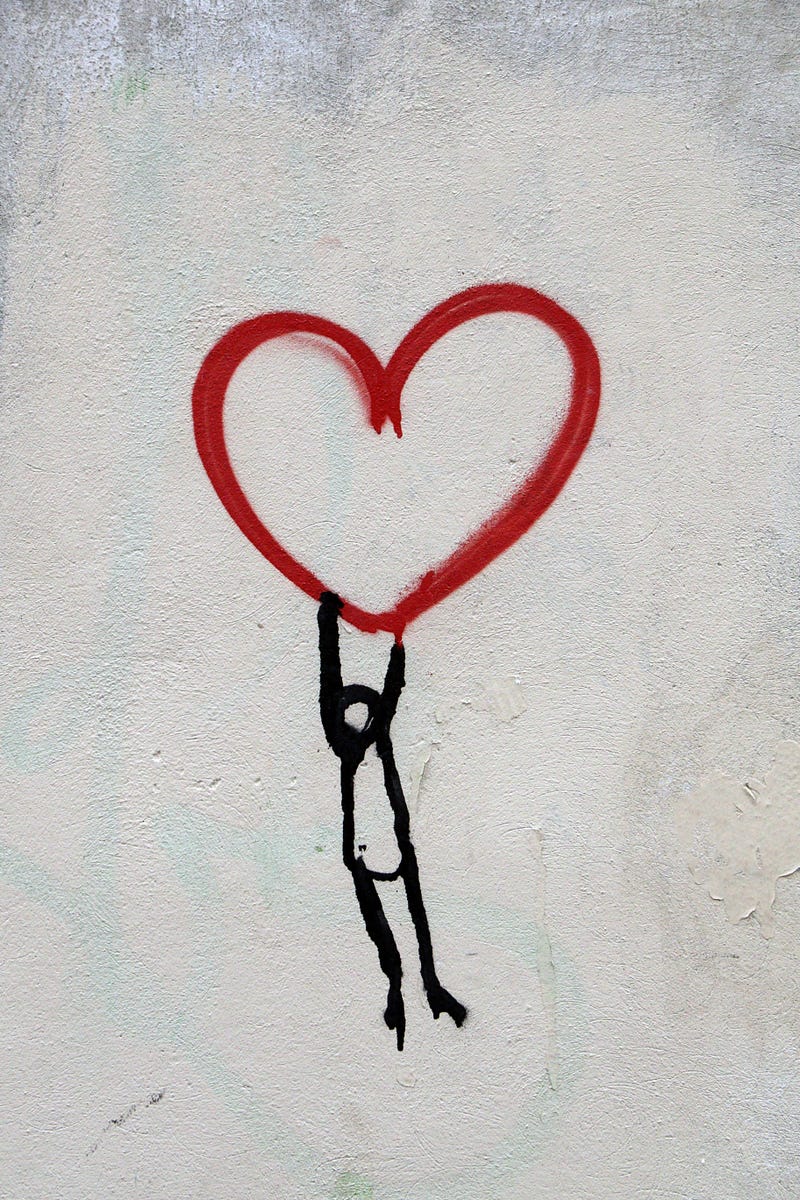
For some reason, some relationship “experts” tell us to fight for love at any cost.
This isn’t always the case.
In fact, I’ve witnessed it wreak havoc on relationships, especially when someone goes out of their way to save them.
To avoid misunderstandings, let’s clear up a few points first.
- Rather than making generalizations about how relationships work, I hope to share some of my own personal experiences and observations in this essay.
- I’m not claiming to be a relationship expert; rather, I’m just sharing what I’ve seen in the lives of people I know and love who have been hurt in bad relationships.
- This aims to teach others about the dangers of over-giving to the wrong person before it’s too late and you risk losing your personal, financial, and mental health.
- This article is primarily geared toward those who are just beginning a new romantic relationship.
- Despite the title’s masculine connotations, this article is relevant to both genders. However, in my experience, it seems to affect women more frequently.
If there is love involved, we want to lend a helping hand to anyone in need, whether it be mental, financial, or addiction-based. Despite the fact that this is a common human reaction, it has a dark side that can have willingly opened the door to manipulation, exploitation, and codependency.
As a result, we may develop a “savior mindset,” in which we believe we are responsible for the person’s personal needs and feel compelled to fix and support him no matter what.
The desire to be the ‘healer’ and help the other person get their life back on track is largely responsible for this reaction. We want to see our companion thriving. In the process of helping them get out of the dark, we may gradually lose our energy, finances, and personal power without our knowledge or consent.
Almost all women’s natural feminine energy is focused on nurturing, caring for, and comforting those around them. During the early stages of a relationship, it’s easy to be taken in by love and give it everything we’ve got.
The danger is when we let our emotions rule over our logic and let rose-colored glasses and poetic words that make us feel good.
I’ve seen people fall into this trap over and over again.
It's a toxic cycle.
At the beginning of a relationship, they give everything they’ve got, and are devastated when their partner leaves them for someone else or disappears.
The problem is that by being too kind and sacrificing themselves, they have enabled the other person’s toxic and controlling behavior and a sense of entitlement. When you’ve done this, it’s impossible to go back and set boundaries.
While this isn’t an attempt to shift the burden of responsibility onto the victim, it does emphasize the importance of protecting oneself and one’s assets early on in a relationship and not to over-give.
How To Stay Away From The Pitfall:
- Allow the person you’re thinking about dating to show you that they’re worthy of your trust by their consistent actions, not just their verbal declarations.
- If you’re dating someone, don’t allow them to move in with you too soon or move in with them. Make sure to establish clear boundaries from the start and keep your privacy intact.
- Keep your personal finances and assets private at first, and don’t sign any paperwork that gives them access to your assets or bank account. I see this happening all the time, and some people are just too trusting. This is common sense.
- If you’re dating someone who has substance abuse or is in debt, you’re free to offer advice if they ask, but don’t make a promise to help them. Be cautious. Many people are being exploited and cheated of of their finances because they are too trusting.
The ideal situation is to enter a relationship with an clean slate, and not to become involved in or take on the problems of your potential companion.


