
The Best Writing Advice That Finally Got Me Going
Every hour spent writing is an hour not spent fretting about your writing.
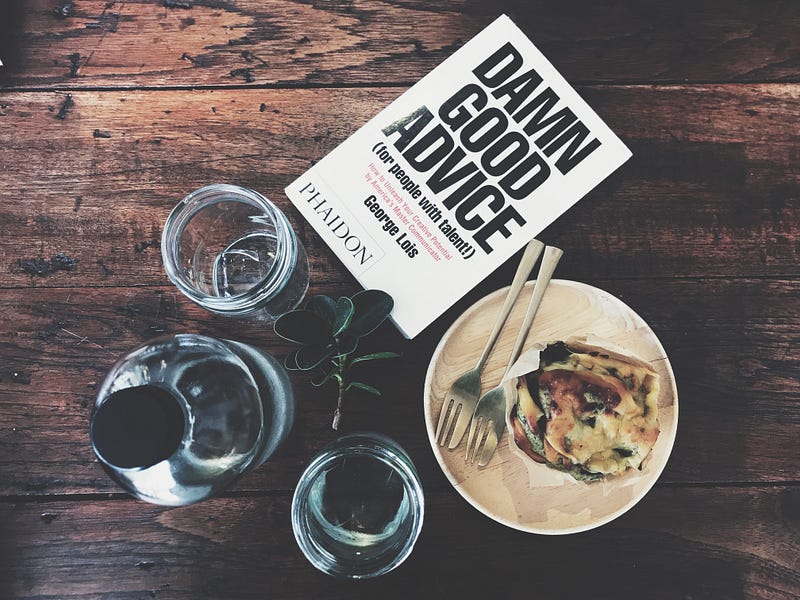
I knew I should be writing, I knew I wanted to be a really good writer, getting ideas and words on the page and making them sing as I’ve seen other writers that I love and admire, do.
I read great writings, enjoyed them, and I wanted to write just as good. What’s the problem with that?
I got ideas bouncing around in my head, I write the occasional essays, the unavoidable ones. I get comments on my writings saying there’s a totally gorgeous writer lurking in there somewhere waiting to be released. So, I knew I should be writing.
But for the longest time, I never did.
The problem was that I couldn’t stop judging.
As soon as I finally have the courage to get the first sentence or paragraph on the page — after a lot of dallying — I immediately start to judge it.
Fiercely. Harshly.
Why is it not already looking like what Steven King will write? Or J.K Rowling? Or Hemingway?
Why isn’t that 32-word first paragraph looking amazing already?
Why isn’t those two paragraphs sounding amazing like all those beautiful writings I’ve enjoyed over these years.
Or at other times I get frustrated struggling to get the perfect idea out, fully formed.
I couldn’t help but flog a tender creation that’s just about coming to life. I judge every idea every word so much already in my head — how shall I explain it? OK, it’s like kicking a new few-minutes-old baby still draped in vernix, because she’s not walking already.
And it got worse. The more I read the articulate amazing writings of these great writers the more I hated putting my words on the page — they don’t just seem to arrive from my head looking as good. The standard get raised every time, and it felt like the gulf was constantly widening.
But, I finally got it( that’s why you’re reading this and the other ~70 articles in my Medium archive). I finally released my out-of-the-gate expectation of grandeur.
I finally found the courage to get the first draft down on paper no matter how crappy. But the transformation was largely due to one piece of writing advice that finally clicked.
I Finally Got It — Crappy First Draft
It’s a quite common piece of writing advice. But it took some tim to finally click that:
The best writing is rewriting. And that you can always edit a bad page, but not a blank one.
Also this gem by Phyllis Whitney:
Good stories are not written. They are rewritten.
I finally “get it”. And even though I still find my polished, finished writing lagging my ideal, the fact that you are even reading this is an evidence that I finally left that crippling perfectionism behind. I now get a lot of very positive feedback from readers extolling my writings which I feel extremely grateful for.
And considering English is a second language for me, I’m happy at the progress I’m making.
Sure, there’s a lot more to good writing than just getting words on the page. But having experienced first-hand how crippling perfectionism is — wanting to get that perfect word or idea on the page at the get go, having the courage to quickly get the first draft done with, regardless of quality or lack thereof, is a crucial first step worth emphasising.
I was comparing my stream of consciousness with the polished, fine-tuned works of famous writers and that held me back. I look lustfully at their beautiful turn of phrase, and the pleasurable rhythm of their prose — product of careful fine-tuning, editing and re-editing.
I couldn’t bring myself to getting something on the page first.
Shitty First Draft is how Anne Lamott famously called it. She devoted a section of Bird by Bird, her successful and influential book about the craft of writing, to extolling the virtues of the awful first draft:
“(…) Shitty first drafts. All good writers write them. This is how they end up with good second drafts and terrific third drafts.
People tend to look at successful writers who are getting their books published and maybe even doing well financially and think that they sit down at their desks every morning feeling like a million dollars, feeling great about who they are and how much talent they have and what a great story they have to tell; that they take in a few deep breaths, push back their sleeves, roll their necks a few times to get all the cricks out, and dive in, typing fully formed passages as fast as a court reporter.
But this is just the fantasy of the uninitiated. I know some very great writers, writers you love who write beautifully and have made a great deal of money, and not one of them sits down routinely feeling wildly enthusiastic and confident. Not one of them writes elegant first drafts. (…)”
To help release writers stuck on perfectionism treadmill, she continued:
“Perfectionism is the voice of the oppressor, the enemy of the people. It will keep you cramped and insane your whole life, and it is the main obstacle between you and a shitty first draft.”
Lamott’s advice is to give yourself the permission to write that really rubbish, bland first drafts — and polish later. But perfectionism will stop you from trying.
Start somewhere, and then improve. You can’t figure it all out in your mind first.
The first draft doesn’t have to be good. It’s perfectly okay to write garbage. The only goal is to get some words down on paper. After all, one of the great benefits of writing a truly awful, and lousy first draft is that it can only get better from there.
It’s beautiful how Shannon Hale puts it:
“I’m writing a first draft and reminding myself that I’m simply shoveling sand into a box so that later I can build castles.”
As it is in writing so it is in developing every other skills. The key question is:
Can you dare to be dreadful — at the beginning?
The willingness to forgo perfection and just get words on the page is the escape route out of crippling perfectionism.
Give yourself the permission to write crappy first drafts. It’s the necessary first step to the terrific prose you crave.
Shovel the sand first. Build the castle later.
That’s how great writing is done.
If you liked and enjoyed this story, here are a few other related articles you might find helpful:
Rapid Skill Building Comes Down To This One Thing.


