
The Best Time to Join a New Platform Isn’t as an Early Adopter
Being an early adopter is a trap that wastes your time and energy.

Imagine if you’d been one of the first 10,000 creators on TikTok.
Back in those heady early days, there were hordes of potential followers and very few consistent creators. You could have posted mediocre content and stumbled your way into 100,000 followers just through repetition and a pinch of luck.
“If only I listened back in 2018 when my friend's cousin’s ex-girlfriend told me to start a TikTok account for my cat!” I see many creators say. “Then I’d be rich/famous/influential!”
You can replace “TikTok” with any platform, like YouTube or podcasting, and still hear the same story. It’s so easy to look at early adopters and feel like if things had just been a little different, you could have been one of them. This hindsight fallacy makes you more likely to sign up to the next platform that brands itself as the next TikTok in the hopes that being an early adopter will make it easy for you to succeed.
That’s not only a flaw in your thinking — it’s actively holding you back from success right now. Here’s why.
1. Being an early adopter won’t make up for all your other deficiencies.
Sounds harsh but it’s true. Do you believe the only reason you haven’t succeeded on all the other platforms you’ve tried is because you were too late?
Then the timing isn’t your issue. There are plenty of huge creators out there on any platform who were among the latest 5% of adopters but who have still made it work. And there are tons who started early and gave up, or didn’t succeed even though they were early.
Timing is a factor when calculating the likelihood of your success on a platform. But consistency, community, and quality are far more important.
2. You‘ll create profile zombies.
By being an early adopter, you actually lose something precious: time and energy. It’s already hard enough to keep up with existing platforms without wanting to try out new ones, too.
I am active on just two profiles: my blog and my YouTube channel. That’s it. But I have a LOT of dead, inactive profiles that document my previous failed attempts.
Many gurus have successfully persuaded me that I’m leaving money on the table in the past. “I get 98% of my traffic from Pinterest!” “I grew my Facebook group to 1,000 members in a month!” I failed to stay consistent with those, and all the other hottest platform trends.
These little forays in Facebook, Pinterest, TikTok, and all the other platforms that I thought I’d be an early adopter on have only resulted in inactive zombie profiles that just confuse potential followers. Even today, I still get the odd follower to my Facebook page that I haven’t updated in two years.
3. Sometimes the platform turns into a zombie.
A few months back, a platform called BitClout started making waves. Especially with all the NFT and crypto hype, it seemed like a big, exciting movement. And not many people were talking about it yet — I had a chance to get involved early.
Then I took stock of my situation. I was busy with my own work, so I decided to give up my chance to be an early adopter. A few months later when I had the bandwidth to tackle it, I didn’t want to risk yet another zombie profile, so I started researching before I committed.
I checked it all out. I listened to respected voices in the crypto sphere. I had received tons of requests to cover it on my YouTube channel as a potential revenue stream, so I put out a call to interview someone who’d made it work.
But in the course of my research, I discovered something weird: BitClout was already zombified.
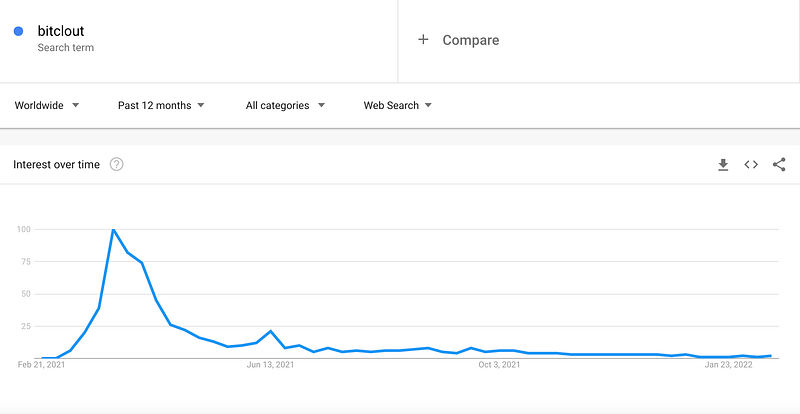
There was no chatter about it. No recent news articles. An article written three months ago says Elon Musk’s coin was worth $24,000 there. Today? It’s down to $11,735.
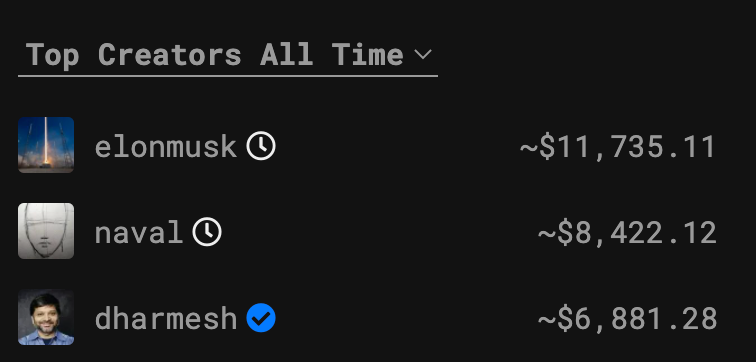
It’s possible BitClout could have taken off. Maybe, if I’d been an early adopter, I could have succeeded there.
But because I didn’t take that risk, I gained back time, energy, and the fact that there wouldn’t be another abandoned zombie profile with my name on it out there on yet another platform. The same thing has happened with Triller, Parlor, Clubhouse, and dozens of other platforms that are too small to mention or even remember.
When does it make sense to be an early adopter?
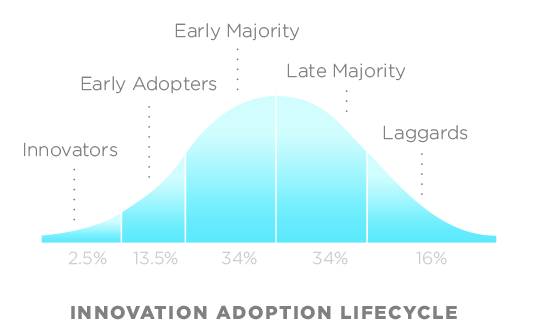
Here’s a technology chart you may be familiar with. Innovators and Early Adopters are the first 16% to move to a new platform or technology. There are real advantages to being an early adopter — you get a chance to influence the product. You have seniority. You get financial and discoverability benefits just because it’s less crowded. Sometimes it’s worth it.
For example, I am an early adopter of Knowable, an audio course app. So when does it make sense to be an early adopter? When do you take a risk?
- When you think you’d like to go in that direction anyway. I had wanted to add an audio element to my content for a while, so Knowable came at just the right time.
- When it’s low-investment. To get involved with Knowable, all I had to do was record a few sessions. It took 90 minutes and a few emails.
- When you believe in the mission. Knowable convinced me that they care about bringing high-quality content to the right readers. That’s something I care about, too.
Conversely, if all you want is to be the first in line, it’s not enough to take the risk.
Be an early majority instead.
In your life, you will adopt many new platforms. That’s just the way things go. So you have to think of what you stand to lose and gain over time, not just over one platform.
If you’re an early adopter you risk:
- Spreading yourself too thin and failing at your existing platforms
- Leaving confusing traces of your digital existence on platforms you abandoned
- Getting involved with a platform just before it collapses
- Wasting time, losing energy, accidentally buying into scams
Here’s a quick question I ask myself before I launch on any new platform: if I’m not making money here in six months, is it still worth it for me?
If the answer is yes, I invest. If not, I aim for the early majority phase instead.
As an early majority adopter, you have the vantage point to see what works, what doesn’t work, whether the platform has legs, and where you can see yourself on it long-term.
If you enjoy reading stories like these and want to support me as a writer, consider signing up to become a Medium member. It’s $5 a month, giving you unlimited access to stories on Medium. If you sign up using my link, I’ll earn a small commission.


