
The Best Diet Strategy Backed By Research & Cost-Effective
It’s time to stop burning holes in your back pockets
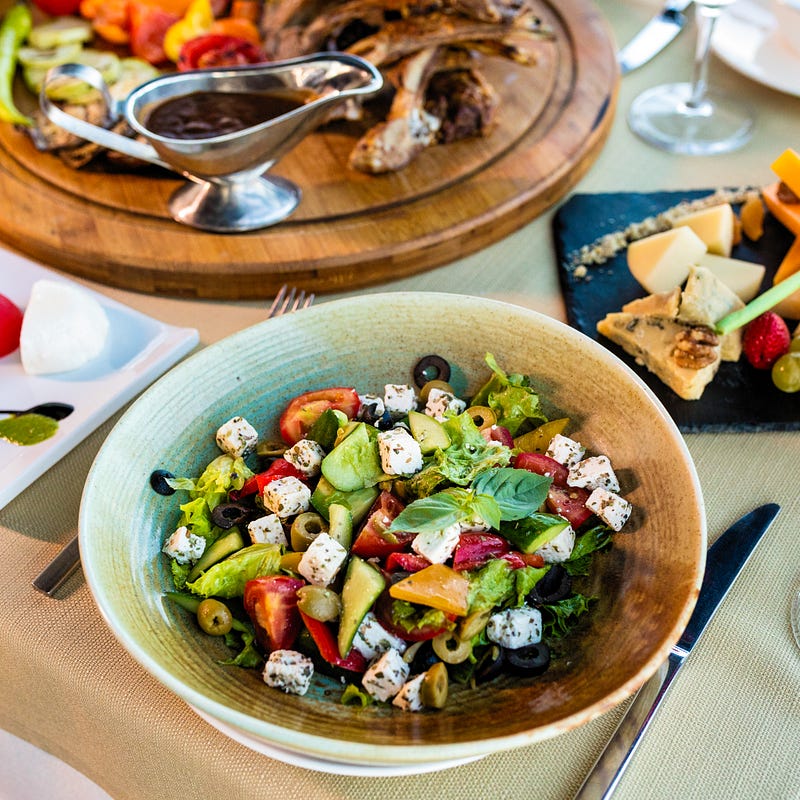
Like anyone else, I tried and failed many times with particular diets while spending a large sum of money on things like supplements and different so-called “superfood” powders and whatever else.
I’ve lost count of all the things I bought that didn’t work.
The extent of my experimentations also moved into physical therapies, which again made a slight difference and required maintenance to keep up the appearance. That cost many $$.
Indeed is there something we can all do that’s cost-effective, good for our health and works long term?
The answer to that is yes!
In a new study, UniSA (University of South Australia) researchers have evaluated the affordability of popular diets, comparing them to the recommendations within the Australian Guide to Healthy Eating and the Mediterranean diet, finding that costs of cutting your calories can vary by up to $300 per week.
The research shows that the most cost-effective diet was modelled from the AGHE and adapted for weight loss through caloric restriction.
Meal plans consisted of the five food groups, ranging from very affordable staples such as bread, pasta, legumes, and lower volumes of animal protein.
Diets that were the most expensive almost always restricted too many food groups and included costly produce, such as organic varieties, protein supplements and low carb replacements, while adding high protein bread.
More than 2.5 million Australians have tried a weight loss diet.
Karen Murphy, the lead researcher, says that understanding the costs of weight loss programs is essential.
Most people are experiencing financial struggles and less access to fresh produce that resulted from Covid 19 and the floods we have currently experienced.
Interest in weight loss is rising, yet the actual cost of participating in these programs is rarely reported.
Karen Says, “In our research, we assessed the cost of seven different meal plans, finding that grocery shopping for the entire product unit costs between $345 — $625, which is a lot higher than the average Australian spends on groceries per week!”
“There are also continual misconceptions that eating a healthy diet of the five food groups is too expensive, and it’s actually not.” Says Murphy.
No matter what diet you choose, a caloric reduction is key to weight loss.
It’s important to understand that restricting food groups can cause unhealthy relationships with food and put you at risk of nutritional deficiencies.
Most people follow the restrictive advice without consulting a reputable nutritionist or dietitian first.
Like the Mediterranean diet, healthy and sustainable practices emphasise fresh produce and versatile staple foods we all eat.
Healthy eating doesn’t need to break the bank by adding uncommon additional sources and supplementations.
Critical tips to eating healthy on a budget
When limited on funds, try these few alternatives but still want to eat well.
- Buy frozen alternatives
- Always buy in season, and you can rest assured it’s fresher than the imported variety.
- Buy up on dried ingredients, such as herbs.
- Sometimes canned varieties are good options, especially when they are sale items.
- Buy in bulk when you can — that might mean taking a trip to Costco and getting those staples like pasta & rice.
- If you don’t get a chance to eat the fresh produce, freeze everything and use them in a healthy green smoothie
You don’t have to spend lots of money or buy too many ingredients.
Shop according to your budget using the creative options above to ensure your supermarket bill doesn’t get too out of control.
Use the Mediterranean staples as your basis for a healthy diet.
If you would like to read more about this research, please check out this link. It also gives you a rundown of all the popular diets.
If you would like to read more articles like this or start writing your own, please sign up via my link. I’d love to see you on the other side. 👇🏼
Sign up here for your medium subscription.
I get a portion from your monthly fee at no extra cost to you, and it will go a long way in supporting me as a writer.
If you would like to express gratitude with coffee, send the love via this link.


