The best books I’ve read so far in 2020: getting through quarantine edition
“Never trust anyone who has not brought a book with them.” — Lemony Snicket

For many of us across the world, the last few months have felt like an inescapable hellscape of increasingly bad news. Too much? No? Cool.
So, to make life a little less dreary as we sit on the precipice of a bad situation turned worse, as we contemplate weeks or even months more of shelter-in-place and remote work, I wanted to offer a few of my favorite books I’ve been working through so far this year.
Books hold incredible personal value to me. Not just for the learning and insight within them, but for the unique ability they provide to wholly escape the current confines and constraints of the world around you.
So without further ado, books!
Books, “Self-Quarantine” Edition
Stillness is the Key, by Ryan Holiday
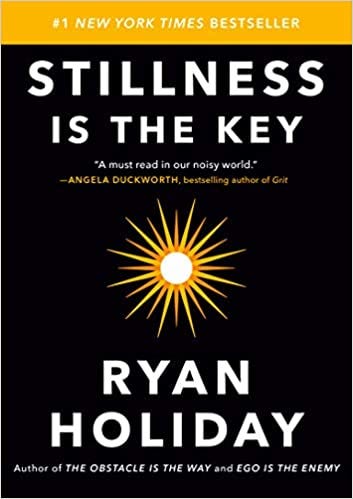
All great leaders, thinkers, artists, athletes, and visionaries share one indelible quality. It enables them to conquer their tempers. To avoid distraction and discover great insights. To achieve happiness and do the right thing. Ryan Holiday calls it stillness — to be steady while the world spins around you.
In this book, he outlines a path for achieving this ancient, but urgently necessary way of living. Drawing on a wide range of history’s greatest thinkers, from Confucius to Seneca, Marcus Aurelius to Thich Nhat Hanh, John Stuart Mill to Nietzsche, he argues that stillness is not mere inactivity, but the doorway to self-mastery, discipline, and focus.
Why You Should Read It: My favorite book of the year so far. More than ever today, people feel overwhelmed. They face obstacles and egos and competition. Stillness Is the Key offers a simple but inspiring antidote to the stress of 24/7 news and social media. The stillness that we all seek is the path to meaning, contentment, and excellence in a world that needs more of it than ever. Sure, it sounds cheesy and culty. But give it a chance — check your ego at the door — and you’ll be in for a real treat.
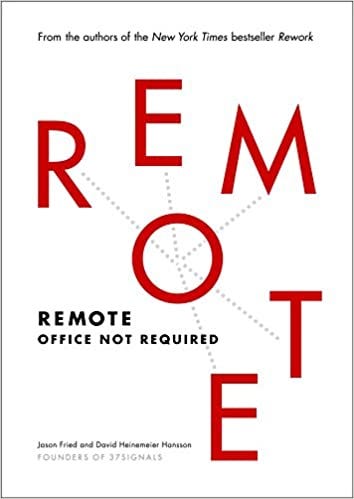
Remote: Office Not Required, by Jason Fried & DHH (Basecamp)
The founders of Basecamp explore the “work from home” phenomenon and show precisely how a remote work setup can be accomplished.
The Industrial Revolution’s “under one roof” model of conducting work is steadily declining as technology creates virtual workspaces that allow employees to provide their vital contribution without physically clustering together. Today, the new paradigm is “move work to the workers, rather than workers to the workplace.”
Remote work increases the talent pool, reduces turnover, lessens the real estate footprint, and improves the ability to conduct business across multiple time zones, to name just a few advantages. As Fried and Hansson explain the challenges and unexpected benefits of this phenomenon, they show why — with a few controversial exceptions such as Yahoo — more businesses will want to promote this model of getting things done.
Why You Should Read It: Talk about a book for the moment. This book makes an extremely compelling case for the Remote Revolution, and it’s hard to argue otherwise after reading this. Reading like a how-to guide, this quick read is filled with an overwhelming amount of practical advice to ensure the success of any remotely operating individual, team, or organization.
Lifespan: Why We Age — and Why We Don’t Have To, by David Sinclair
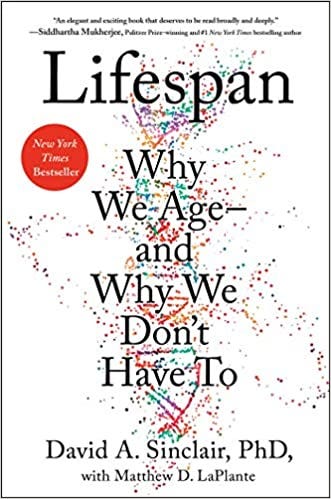
It’s a seemingly undeniable truth that aging is inevitable. But what if everything we’ve been taught to believe about aging is wrong? What if we could choose our lifespan?
In this groundbreaking book, Dr. David Sinclair, leading world authority on genetics and longevity, reveals a bold new theory for why we age. As he writes: “Aging is a disease, and that disease is treatable.”
This eye-opening and provocative work takes us to the frontlines of research that is pushing the boundaries on our perceived scientific limitations, revealing incredible breakthroughs — many from Dr. David Sinclair’s own lab at Harvard — that demonstrate how we can slow down, or even reverse, aging.
Why You Should Read It: Okay, yeah — it sounds like pseudoscience. Maybe it is, I don’t know for sure. But the ideas advanced in this book are not just ambitious and compelling, but extremely reasonable and, even, common sense. One of the easiest and most interesting scientific books I’ve picked up in recent memory, this is a must read for anyone with a vested interest in stopping aging (see: all of us!).
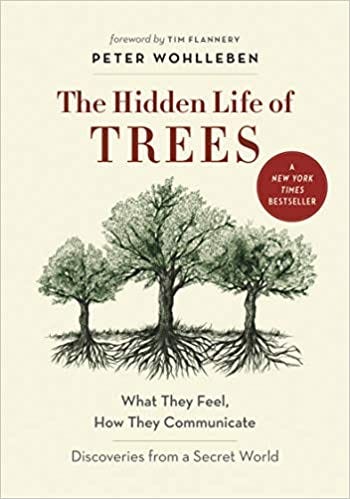
The Hidden Life of Trees, by Peter Wohlleben
Are trees social beings? In this international bestseller, forester Peter Wohlleben reveals the social network of the forest.
The Hidden Life of Trees draws on ground-breaking scientific discoveries to describe how trees are like human families: tree parents live together with their children, they communicate with them, support them as they grow, share nutrients with those who are sick or struggling, and even warn each other of impending dangers. Wohlleben also shares his deep love of woods and forests, explaining the amazing processes of life, death, and regeneration he has observed in his woodland.
A walk in the woods will never be the same again after reading this awe-inspiring book.
Why You Should Read It: Okay, yeah. You probably laughed when you say this book here, and when you read the title. But this book is f#@!ing fascinating, and everyone that I’ve shared it with has been absolutely transfixed. Friends still randomly send me quotes from it, and we talk about just how insane some of the insights are every time we see each other. This book will blow you mind. You should buy it immediately.
Loonshots: How to Nurture the Crazy Ideas That Win Wars, Cure Diseases, and Transform Industries, by Safi Bahcall
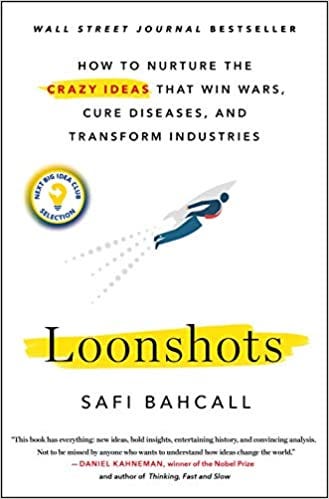
Why do good teams kill great ideas?
Loonshots reveals a surprising new way of thinking about the mysteries of group behavior that challenges everything we thought we knew about nurturing radical breakthroughs.
Bahcall, a physicist and entrepreneur, shows why teams, companies, or any group with a mission will suddenly change from embracing new ideas to rejecting them, just as flowing water will suddenly change into brittle ice. Mountains of print have been written about culture. Loonshots identifies the small shifts in structure that control this transition, the same way that temperature controls the change from water to ice.
Using examples that range from the spread of fires in forests to the hunt for terrorists online, and stories of thieves and geniuses and kings, Bahcall shows how a new kind of science can help us become the initiators, rather than the victims, of innovative surprise.
Why You Should Read It: Living in the Bay Area, I hear the word “moonshot” so much that I’ve been reduced to simply nodding along as I roll my eyes inside my head. What makes this book so special is that it charts a tangible path for how to take crazy ideas and actually see them through to success. With interest and industry-cutting examples, and a popular science style of writing that perfectly balances the academic with whit, this is a great and unique read.
Homo Deus: A Brief History of Tomorrow, by Yuval Noah Harari
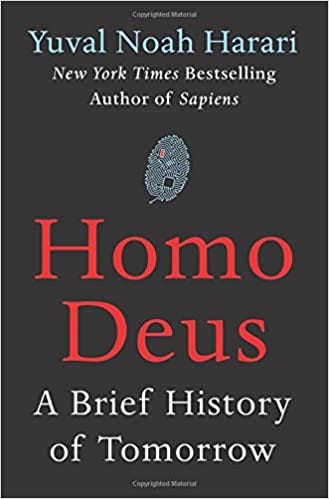
Over the past century humankind has managed to do the impossible and rein in famine, plague, and war. This may seem hard to accept, but, as Harari explains in his trademark style — thorough, yet riveting — famine, plague and war have been transformed from incomprehensible and uncontrollable forces of nature into manageable challenges. For the first time ever, more people die from eating too much than from eating too little; more people die from old age than from infectious diseases; and more people commit suicide than are killed by soldiers, terrorists and criminals put together. The average American is a thousand times more likely to die from binging at McDonalds than from being blown up by Al Qaeda.
What then will replace famine, plague, and war at the top of the human agenda? As the self-made gods of planet earth, what destinies will we set ourselves, and which quests will we undertake? Homo Deus explores the projects, dreams and nightmares that will shape the twenty-first century — from overcoming death to creating artificial life. It asks the fundamental questions: Where do we go from here? And how will we protect this fragile world from our own destructive powers? This is the next stage of evolution. This is Homo Deus.
Why You Should Read It: Moreso than any other book so far this year, this book completely and utterly blew my mind. You know that feeling when you’re reading something and you’re as transfixed by the ideas themselves as you are by how someone could possibly conceive of such a complex and interwoven idea? That’s this book. Reading like a science fiction thriller, this future-centered book is fascinating and sure to hook your interest from Page 1.
Interested in receiving a monthly Content Club email from me with the best design & innovation articles, books, and content? Sign up here!