
The Best Advice From My Father
You will be very surprised at what he said to me
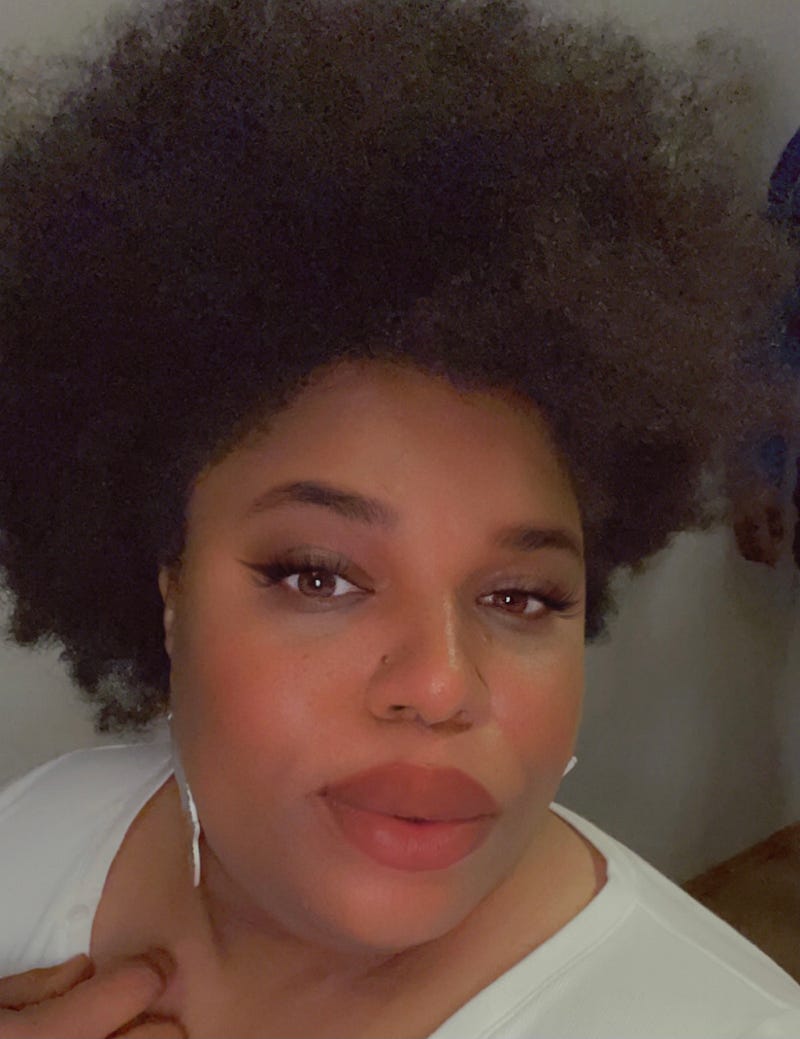
I stood in front of my father, head lowered down. To my left was a metallic grey filing cabinet with 5 drawers.
The second drawer contained a file for each of his children and other drawers contained other personal and business documents. Right next to the cabinet was a wooden desk, with papers all over.
I was there in his room as he rustled with the papers, moving from his desk to the cabinet, waiting to hear why I was summoned.
My father’s room sat at the edge of our building in our home in Aba. You could see the street from the window. You only came in, strictly on invitation.
I was 15 years old and the school year had just ended. I had returned from boarding school with my end-of-year results. The school year ended with mixed feelings as I’d recently transferred to a new high school. It was a struggle fitting in and I came home with borderline average grades.
As a teenager, I did not understand my mood swings, insecurities, and subdued personality back then — no one talked about puberty.
As an Ada — the oldest female child in the house, I was mostly at the receiving end of my parents’ disapproval for any mistakes, even when I was not the perpetrator.
Those were tough times both in school and at home.
That early evening, I stood before my father. Still with my head lowered but occasionally peering through the window to catch a glimpse of the streets and their drama.
Father is a slow talker, a thinker, and filled with wisdom.
l had already grown thick skin for piercing words that would be thrown at me pertaining to my performance in school.
My Nigerian parents would not accept anything but the top ten of the class, the calculated average of grades did make a difference to them.
Coming home with my average performance, allowed an opportunity for him to barrage me with the importance of education and why I must excel.
Father said a lot of things about the importance of working hard but these few words stood out distinctively.
„Chioma, not every woman will marry — it is written in the Bible,” he said.
My father’s advice was “Not every woman will marry!”
In my culture, women are largely raised and prepared for marriage.
Recently, I watched a Netflix drama series called Bridgeton. The plot was set in the 1800s, where women are primed and formally presented when they are eligible for marriage and matched to a suitor. It was a fictional drama but I was able to find similarities to the current reality of many African women.
Back in my ancestral home, marriage proposals were easily made when any of the festivities or holidays brought people back home. Unwed bachelors would visit the families of young women to seek their hands in marriage.
It also happened that my 19-year-old friend got engaged. She always had many suitors with marriage proposals at her door. Her parents encouraged her to make a choice and they also fretted that if she continued to delay, she may never marry because the suitors’ floodgates will close. She made her choice, got engaged to one of the suitors and the marriage rite preparations began.
Dad was saying, this may not be the fate of every woman. It may not be my fate!!
My maternal grandmother, Mama Adazi told me a story while I was visiting her during the Christmas holidays. My mum hails from a village called Adazi- Nnukwu, and her mother, a grandma to more than 40 grandchildren, earned her the title — Mama Adazi. She was indeed the mother of a village.
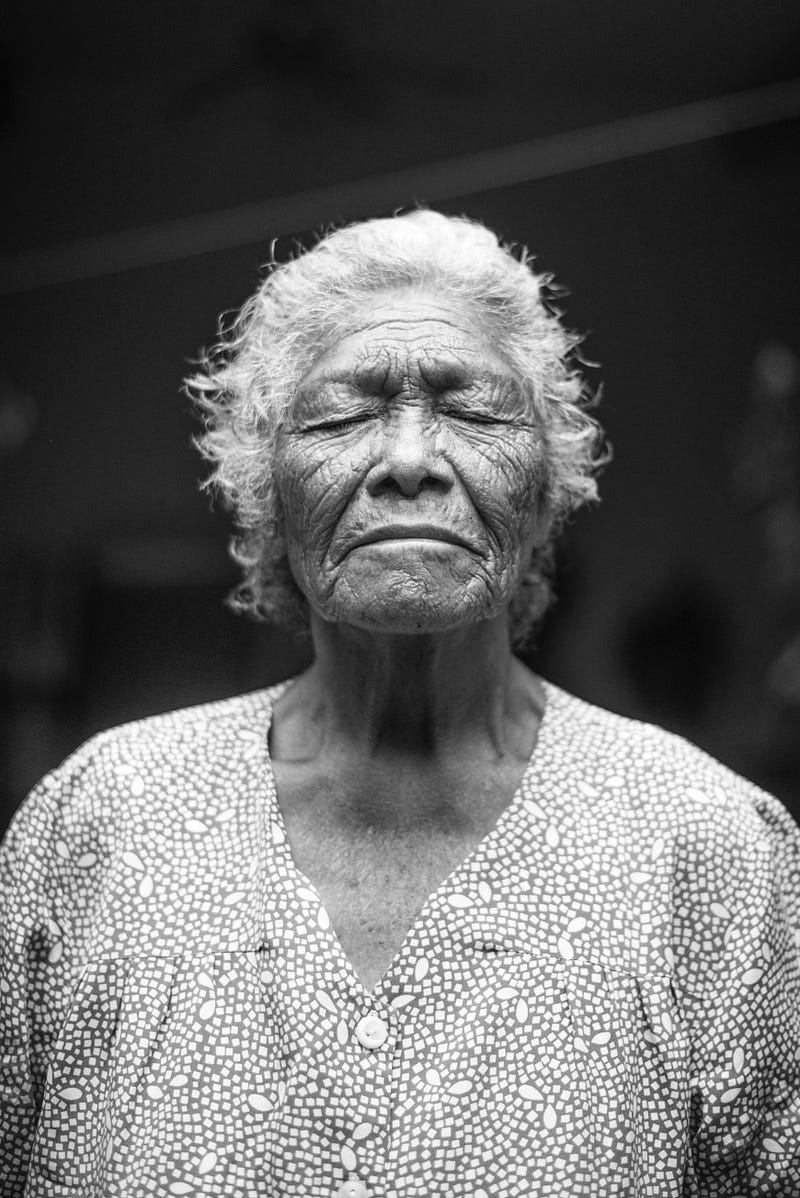
At almost 90, she was sharp with a smart mouth, and always eager to pry into the lives of her grandchildren. Mama Adazi communicated her wisdom in proverbs and stories.
On this regular visit, I was sitting on her bed after the usual exchange of pleasantries, she started with a short story — I’d think one could make poetry out of it:
she said
“When a young girl is born, she grows into a beautiful woman,
The people will say, “Oh she is beautiful.”
Then they will ask, “Is she educated?”
and they will answer — “Yes she is educated.”
Then they will ask — “Did she marry?”
and they will answer — “Yes she is married.”
Then they will ask, “Does she have a child?”
And they will answer — “Yes she has a child / has children.”
…THE END…
With these few sentences, my grandmother gave me a futuristic sneak peek of what my life as a woman was meant to be. The life of the girl child!
Interestingly, this part: “Then they will ask, ‘Is she educated’?” resonated genuinely with my father’s advice. My grandmother, although with only a semi-formal education, recognized the importance of education.
In my child’s mind, she conveyed that education preludes marriage, but after marriage and childbirth- what next? Nonetheless, from her story- I drew the courage to get one thing right- my studies!
Reminiscing and writing this story, it comes quite clear to me that my dad’s advice balanced my grandmother’s conservatism. He employed feminism laced with modern parenting to dismiss the entire notion that a woman’s achievement is to be a wife.
My parents’ silent hope and dream were that marriage would be part of their children’s life event, and my chances were very high as Ada, — but father intentionally wiped off this non-existing narrative in my teenage head and enlightened me that marriage was not the ultimate validation and purpose of a woman.
I was still standing, my eyes gazed at the metallic grey cabinet, but lost in my thoughts. I echoed “Thanks Sir “ as I exited his room.
Is that how I became a person this resilient and ambitious? — Yes, these seeds were planted in me on this day.
My father taught me independence- Yes he did!
For more stories https://chiomanzekwe.medium.com/subscribe