
Your Creativity: Why Writing Trumps Typing
A slower process isn’t necessarily a bad thing.
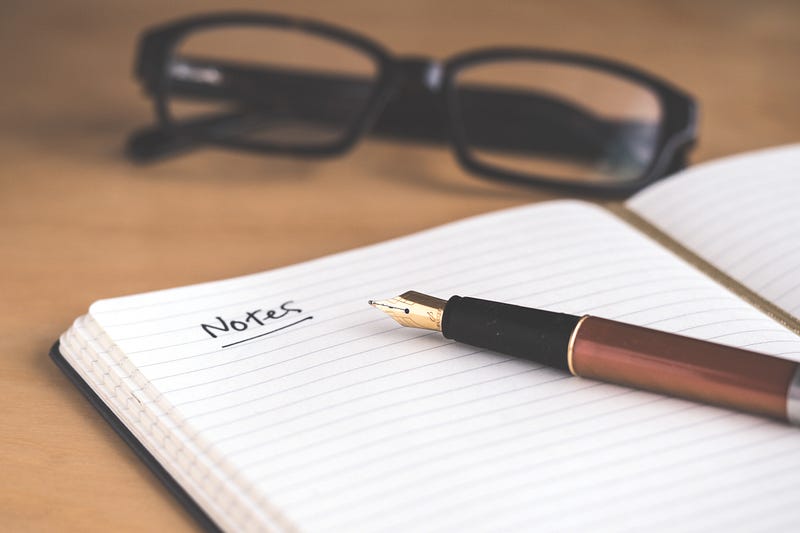
I feel the same way toward blank notebooks as I can only imagine parents feel about their newborns.
I’m thrilled and obsessed. Nothing can beat it. I’ve got drawers full of them (so, maybe not completely like parents of newborns).
I know that ‘typing’ out my work would be faster and more efficient, but something just feels so much more special about writing. If you know, you know.
When you physically write things down, you’re more likely to absorb the information. Your focus and comprehension extends to the task at hand, and you’re more likely to trigger a waterfall of ideas to follow because the act of writing is a self-conscious one.
A blank sheet of paper allows us to be creative with no bounds.
We can write quickly, scribble things out, draw lines from here to there. We can unleash everything onto the pages before us with no restrictions. Word vomit, if you will.
The way an electronic document is set up poses limitations to our creativity. Yes, we probably could do all of the above on certain programs, but it would take far longer and would likely stifle the creative process by ruining flow.
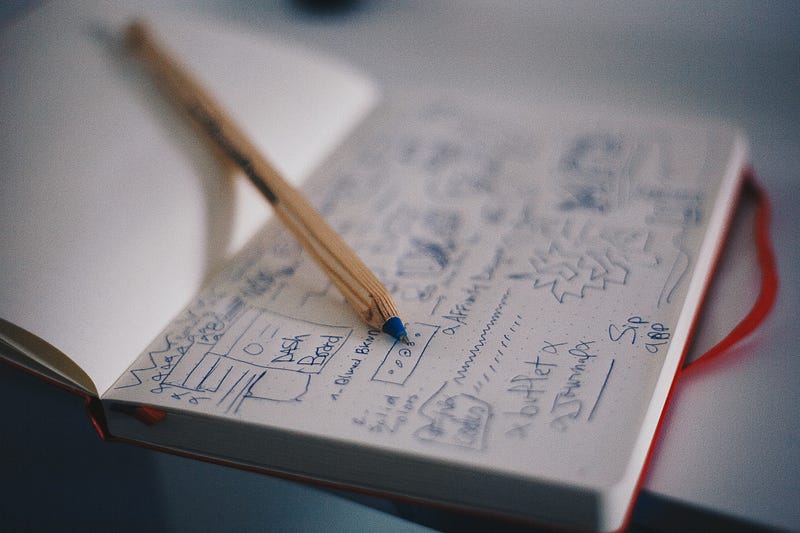
And there’s plenty of science to back the cognitive benefits of handwriting. The simple act of putting pen to paper uses more neurons in your brain which helps you retain the information and enhance your memory.
One of the biggest deterants of writing is the time it takes to do so. But although writing may be slower than typing, slower isn’t necessarily bad. If speed is what you’re after, then type away. But writing allows the writer to concentrate and engage with the process, potentially creating better and more well-thought out work.
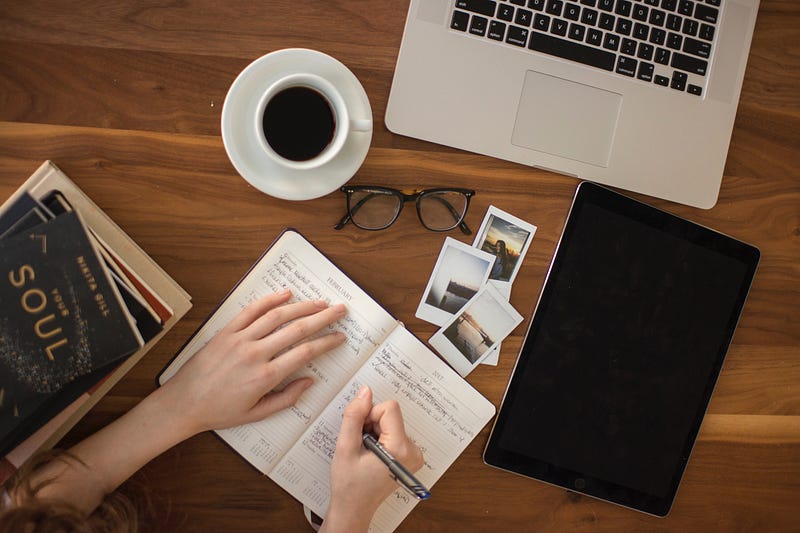
Writing can also be the best-friend to those of us who are too critical of our work. When we write, we have to just go along with the mistakes. We’re more likely to re-assess later, rather than continuously going back and forth.
On the computer, it’s far easier to lose precious hours editing and re-editing our work, because it’s very easy to do so. We’ll cut and paste and delete and re-structure, and our editor-side takes power over our creative-side. Writing long-hand gives our creative-side free reign and allows free-flow.
Most importunity, writing longhand can make you happier. Typing can feel stiff, formulaic and like work. Writing feels more creative and free-flowing.
The benefits are long (no pun intended):
- We activate different areas of our brain when writing, which can help create new ideas
- We can write at any time and anywhere with no more than pen and paper
- We are less likely to be distracted by the internet
- It’s more difficult to edit our work, so we don’t waste time editing whilst in the creative process
- Writing by hand can be rhythmic, therapeutic, and calming.
- Handwriting won’t interfere with your circadian rhythms
- The slow process of writing can lead to more well-thought out ideas
Typing is great in terms of efficiency and effectiveness, but is far more likely to benefit us during the final stages of our work. We can greatly benefit from writing longhand in the initial stages of our work, during the brainstorming and the first drafts, because it unlocks our creativity in ways typing never will.
Your hand may ache and your writing may deteriorate with every minute, but you’ll find yourself more stimulated than if you were to type.
You’ll recall more information, tap into more creativity and be able to comprehend and analyse your own thoughts and ideas more easily. Writing is an immersive experience. We have to be 100% involved in the process, creating each letter with thought.
So, whip out that blank notebook and your pen of choice, and let the ideas flow in their messy, beautiful way!
More like this -