
The Benefits of Outdoor Learning & Nature-Based Activities — Unschooling / Homeschooling
Taking Advantage of Free Resources and Spaces
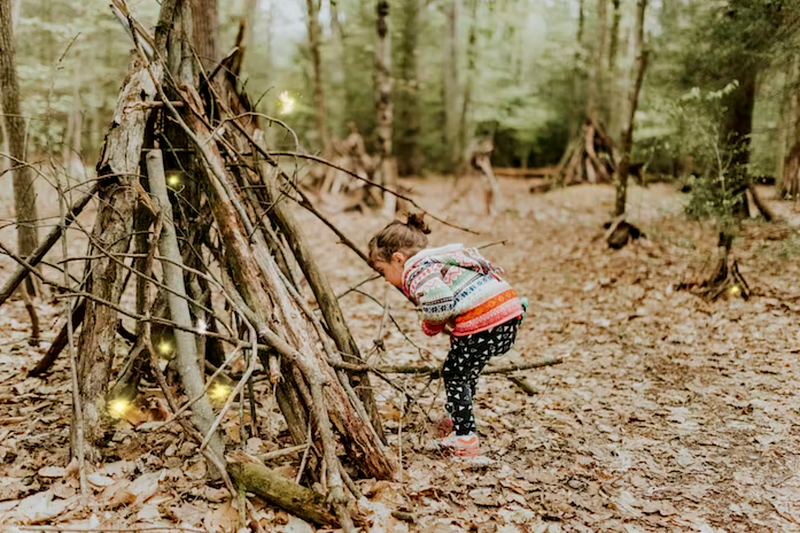
Unschooling is an alternative educational approach that focuses on child-led, interest-based learning, rather than adhering to a predetermined curriculum.
This method embraces the idea that learning can happen anywhere and at any time, empowering children to explore their world and develop skills through their unique interests and passions.
One of the key aspects of unschooling for people like our family, is the incorporation of outdoor learning and nature-based activities, which provide a wealth of opportunities for growth, creativity, and holistic development.
The benefits of outdoor learning and nature-based activities in unschooling are numerous.
By stepping outside of the traditional classroom, children can experience a more dynamic and stimulating learning environment that encourages curiosity, critical thinking, and problem-solving skills.
Nature, in particular, offers an abundance of opportunities for exploration, discovery, and hands-on learning, which can contribute to a child’s cognitive, emotional, and physical development.
Among our many experiences in this respect, has included observing ants, spiders, and other bugs in their environments, and playing down by rivers and streams: watching how the water moves and shapes its environments, alongside observation of the plants and animals also there.
Both my younger kids are also fascinated by the diversity of birds in our backyard, and one day, we decided to transform our bird-watching sessions into a more structured learning experience.
We ventured to a nearby nature reserve, armed with a bird guidebook and binoculars, and spent the day identifying and documenting the various species we encountered.
This hands-on experience not only deepened my boys understanding of birds but also sparked interest in ecology and conservation — and endless conversations since.
So much of learning potential lies in the world around us, just waiting to be explored.
The Importance of Outdoor Learning
Outdoor learning can play a significant role in the unschooling approach, as it offers a natural and dynamic environment that nurtures curiosity, exploration, and self-directed learning.
The outdoors provides countless opportunities for children to learn about the world around them and make connections between their interests and the environment, while also promoting a sense of wonder and appreciation for nature.
Being in the outdoors also promotes mental and physical health by providing children with fresh air, sunlight, and physical activity, which can help reduce stress, improve mood, and boost overall well-being.
Outdoor learning also encourages creativity and imagination, as children are exposed to a wide variety of stimuli that can inspire new ideas and creative solutions.
Engaging with the natural environment also enhances problem-solving skills, as children learn to navigate and adapt to various situations, such as identifying plant species, determining the best path for a hike, or observing wildlife behavior.
One particularly memorable outdoor learning experience in our unschooling journey involved a spontaneous lesson in geology.
While hiking near a local river, we came across an area with exposed layers of rock.
My son was intrigued by the different colours and textures of the rock layers and began asking questions about how they were formed.
This curiosity led us to research the geological history of our region, learning about sedimentation, erosion, and the various rock types present in the area.
Over the next few weeks, we continued to explore different rock formations, collected samples, and even visited a nearby quarry.
We’ve also attempted “gold panning” on camping trips and from that, later also ended up visiting old gold mining centres and museums, which in turn led to history lessons and discussions around how humans (both traditionally and today) have used resources in our environments (with discussion on both the good and the bad!).
Nature-Based Activities for Unschoolers
There are a plethora of nature-based activities that can be incorporated into unschooling. Some popular options include hiking, gardening, bird-watching, and outdoor art projects.
Each of these activities can serve as a gateway to exploring various subjects, such as biology, ecology, or even history and culture.
Hiking, for instance, has become a regular part of our unschooling routine. The physical exercise and exposure to different ecosystems have not only strengthened our bond as a family but have also led to numerous educational discussions about native plants, animal habitats, and the history of the trails we traverse.
On one occasion, we stumbled upon a hidden waterfall, which sparked a fascinating conversation about the water cycle, erosion, and the importance of clean water sources.
Gardening has also played an essential role in our unschooling journey.
We’ve created a small vegetable garden in our backyard, where the children have learned about plant lifecycles, soil composition, and even the basics of sustainable agriculture.
They’ve gained a sense of responsibility and pride in nurturing their plants and harvesting the fruits of their labour.
Outdoor art projects have opened up a whole world of creativity for us too. We’ve experimented with making natural dyes from plants, creating nature-inspired collages, and painting animals and landscapes.
These activities have fostered a deeper connection with our surroundings and taught us to see beauty in the smallest details.
To incorporate nature-based activities into your daily unschooling routine, start by identifying your child’s interests and choosing activities that align with those passions.
Plan regular outings to local parks, nature reserves, or even your own backyard.
Encourage your child to ask questions, observe their environment, and document their findings through drawings, photographs, or journaling.
By integrating these activities into your routine, you can create a rich and dynamic learning experience that fosters a lifelong love for nature and learning.
Free Resources and Spaces for Outdoor Learning
There are numerous free resources and spaces for outdoor learning available to unschoolers, making it possible to enjoy the benefits of nature-based education without breaking the bank.
Public parks, nature reserves, and community gardens are just a few examples of accessible learning spaces that can enrich your unschooling journey.
Public parks often offer a variety of amenities, such as playgrounds, walking trails, and picnic areas, providing ample opportunities for physical activity, social interaction, and exploration.
Nature reserves, on the other hand, are ideal for observing wildlife, learning about native plants and ecosystems, and enjoying the serenity of the natural world.
Community gardens can also be a valuable resource for learning about sustainable agriculture, soil composition, and the importance of local food production.
One of our most memorable discoveries was a free outdoor learning space at a local botanical garden.
The garden offered a variety of educational programs, as well as a dedicated children’s area filled with interactive displays, plant identification signs, and even a small pond for observing aquatic life.
This space quickly became a favourite destination for our family, providing countless opportunities for hands-on learning and sparking new interests in topics like botany, entomology, and environmental conservation.
To find and utilise free resources in your community, start by researching local parks, nature reserves, and community gardens online or by contacting your city’s parks and recreation department.
Many of these spaces offer guided tours, workshops, or educational materials that can be accessed free of charge.
Also consider joining local nature clubs or environmental organisations, as these groups often host events and activities that can supplement your unschooling experience.
Challenges and Solutions for Outdoor Learning in Unschooling
While outdoor learning offers numerous benefits for unschoolers, it can also present certain challenges, including accessibility, weather, and safety concerns. However, with a little creativity and preparation, these challenges can be overcome!
Accessibility can be a concern, particularly for families living in urban areas with limited access to natural spaces. You can make the most of resources like local parks, reserves and community gardens though.
Don’t underestimate the educational potential of small, green spaces in your neighbourhood, as even the tiniest patch of nature can spark curiosity and learning.
Weather can also pose a challenge for outdoor learning, as rain, extreme temperatures, or other adverse conditions may disrupt your plans.
More than once we’ve planned a day of hiking and exploring a nearby forest, only to be met with a heavy downpour. Rather than canceling our outings, we chose to embrace the rain — decking ourselves out in inexpensive K-mart gumboots and rain jackets.
The kids also love puddles and there is nothing more connecting to the planet we’re on, than a little rain!
By adapting our plans and maintaining a flexible mindset, we were able to turn a potential setback into a valuable learning experience.
Safety concerns, such as encountering wildlife or navigating unfamiliar terrain, can be a legitimate challenge when venturing into the great outdoors.
To ensure the safety of your family, take the time to research potential hazards in your area and educate your children about how to respond to various situations.
Following our move to Australia, for example, we became experts on snake bite care — although funnily enough, we have yet to actually came across a live snake!
We also always carry a well-stocked first-aid kit, stay on marked trails, and follow the guidelines provided by local authorities and park rangers.
Embracing outdoor learning and nature-based activities in unschooling offers a wealth of opportunities for children to grow, learn, and develop a deep connection with the natural world.
By taking advantage of free resources and spaces, exploring a variety of nature-based activities, and overcoming the challenges that may arise, you can create a dynamic and engaging learning environment that fosters curiosity, creativity, and a love for lifelong learning.
As unschoolers, we have the unique privilege of breaking free from the confines of traditional education and fully immersing ourselves in the vast classroom that nature provides.


