
The Benefits of Drinking Coffee Every Day

Coffee has become an integral part of many people’s daily routine. From the invigorating aroma to the rich taste, starting the day with a cup of coffee has become a cherished ritual for millions of individuals worldwide. But what if I told you that your daily cup of Joe might actually be doing more than just waking you up? Recent studies have shown that drinking coffee in moderate amounts can have numerous health benefits. In this article, we will explore the science-backed reasons why you should consider making coffee a part of your daily routine.

Table of Contents
- Introduction
- Coffee and Longevity
- Coffee and Diabetes Prevention
- Coffee and Heart Health
- Coffee and Brain Function
- Coffee and Liver Health
- Coffee and Cancer Prevention
- Coffee and Weight Management
- Coffee and Mood Enhancement
- Coffee and Exercise Performance
- Conclusion
1. Introduction
Coffee, derived from the beans of the Coffea plant, contains a variety of bioactive compounds that contribute to its health benefits. One of the most well-known compounds is caffeine, a natural stimulant that can improve alertness and concentration. However, coffee is not just about caffeine. It is also rich in antioxidants, such as chlorogenic acid and polyphenols, which have been linked to various health benefits.
2. Coffee and Longevity
One of the most intriguing findings is the association between coffee consumption and longevity. Several studies have shown that regular coffee drinkers have a lower risk of premature death compared to non-coffee drinkers. A study published in the New England Journal of Medicine found that individuals who consumed coffee had a reduced risk of death from various causes, including heart disease, respiratory disease, stroke, diabetes, and infections. The study suggests that coffee’s protective effect may be attributed to its antioxidant properties and its ability to reduce inflammation in the body.
3. Coffee and Diabetes Prevention
Type 2 diabetes is a prevalent chronic disease characterized by high blood sugar levels. However, drinking coffee has been associated with a lower risk of developing this condition. Multiple studies have shown that regular coffee consumption is linked to a reduced risk of type 2 diabetes. A meta-analysis of 30 studies found that each additional cup of coffee consumed per day was associated with a 7% lower risk of developing type 2 diabetes. The exact mechanisms behind this protective effect are still being studied, but it is believed that coffee’s bioactive compounds, including chlorogenic acid and caffeine, may enhance insulin sensitivity and regulate blood sugar levels.
4. Coffee and Heart Health
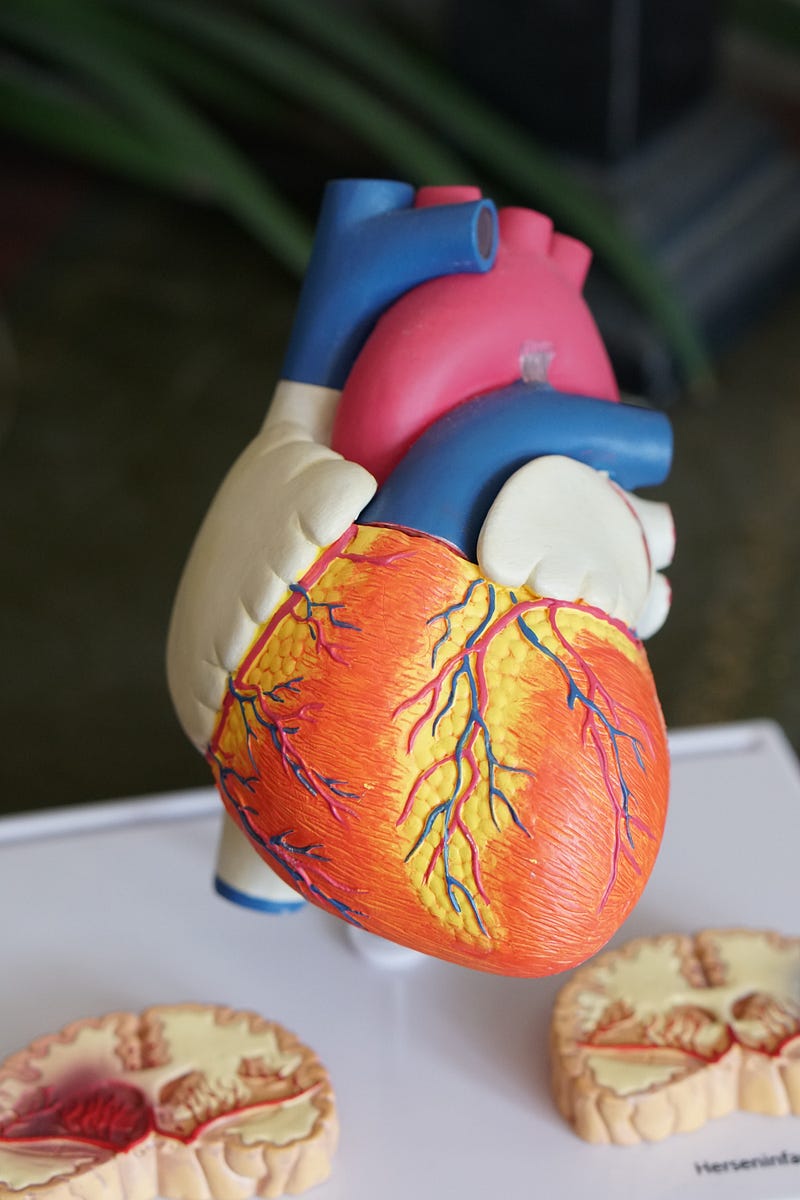
Heart disease is a leading cause of death worldwide, but coffee consumption has been linked to a reduced risk of developing certain cardiovascular conditions. A study published in Circulation, a journal of the American Heart Association, found that moderate coffee consumption was associated with a lower risk of heart failure. Another study published in the Journal of the American College of Cardiology indicated that habitual coffee consumption was associated with a lower risk of stroke. The antioxidants in coffee may help reduce inflammation and improve blood vessel function, contributing to improved heart health.
5. Coffee and Brain Function
Coffee is often praised for its ability to enhance mental alertness and focus, but its benefits extend beyond a temporary energy boost. Research suggests that coffee may also have long-term effects on brain health. Studies have shown that coffee drinkers have a reduced risk of neurodegenerative disorders, such as Alzheimer’s and Parkinson’s diseases. The caffeine in coffee has been found to have neuroprotective effects, helping to prevent the buildup of abnormal proteins in the brain that contribute to these diseases. Additionally, coffee’s antioxidants may have anti-inflammatory properties that can further support brain health.
6. Coffee and Liver Health
The liver plays a crucial role in detoxification and overall metabolic function. Regular coffee consumption has been associated with a lower risk of liver diseases, including liver cirrhosis and liver cancer. A meta-analysis of studies found that individuals who consumed coffee had a reduced risk of liver cirrhosis, with the greatest benefits seen in those who drank four or more cups per day. Coffee’s protective effects on the liver may be due to its ability to reduce inflammation and inhibit the accumulation of fat in the liver.
7. Coffee and Cancer Prevention
Coffee’s potential role in cancer prevention has been a subject of extensive research. Various studies have shown that coffee consumption is associated with a decreased risk of certain types of cancer, including liver, colorectal, and endometrial cancers. The antioxidants and other bioactive compounds in coffee may help protect against DNA damage, inhibit the growth of cancer cells, and reduce inflammation, all of which contribute to its potential anti-cancer effects. However, it is important to note that individual factors, such as genetics and lifestyle, also play a significant role in cancer development.
8. Coffee and Weight Management
Maintaining a healthy weight is essential for overall well-being, and coffee may play a role in weight management. Caffeine, found abundantly in coffee, has been shown to increase metabolism and fat oxidation, which can contribute to weight loss. Furthermore, coffee can act as an appetite suppressant and boost energy levels, making it easier to adhere to a calorie-restricted diet and engage in physical activity. However, it is important to consume coffee in moderation and be mindful of the added calories from cream, sugar, or other additives that can negate its potential weight management benefits.
9. Coffee and Mood Enhancement
For many people, a cup of coffee is associated with an improved mood and increased feelings of well-being. Research suggests that coffee’s caffeine content can enhance mood, improve cognitive function, and reduce the risk of depression. A study published in JAMA Internal Medicine found that women who drank two to three cups of coffee per day had a lower risk of depression compared to non-coffee drinkers. However, it is important to note that individual responses to caffeine can vary, and excessive consumption may lead to jitteriness or anxiety in some individuals.
10. Coffee and Exercise Performance
Coffee is a popular pre-workout drink among athletes and fitness enthusiasts due to its potential performance-enhancing effects. The caffeine in coffee can increase alertness, improve focus, and delay fatigue, allowing individuals to exercise at a higher intensity for a longer duration. Additionally, coffee’s ability to enhance fat oxidation may provide a source of readily available energy during prolonged exercise. However, it is important to note that individual responses to caffeine can vary, and excessive consumption may lead to negative side effects such as increased heart rate or gastrointestinal discomfort.
Conclusion
In conclusion, the science-backed evidence suggests that drinking coffee in moderate amounts can have numerous health benefits. From promoting longevity and reducing the risk of chronic diseases to enhancing brain function and exercise performance, coffee’s bioactive compounds, including caffeine and antioxidants, contribute to its positive effects on overall well-being. However, it is important to consume coffee in moderation and be mindful of individual sensitivities and preferences. As with any dietary choice, it is best to consult with a healthcare professional to determine how coffee consumption fits into your personal health and wellness goals. So, go ahead and savor that cup of coffee knowing that it may be doing more than just waking you up in the morning.