
Butterflies, Nature, and Photography
The Beauty of Butterflies
Butterflies enrich our world through color, shape, movement, and pollination
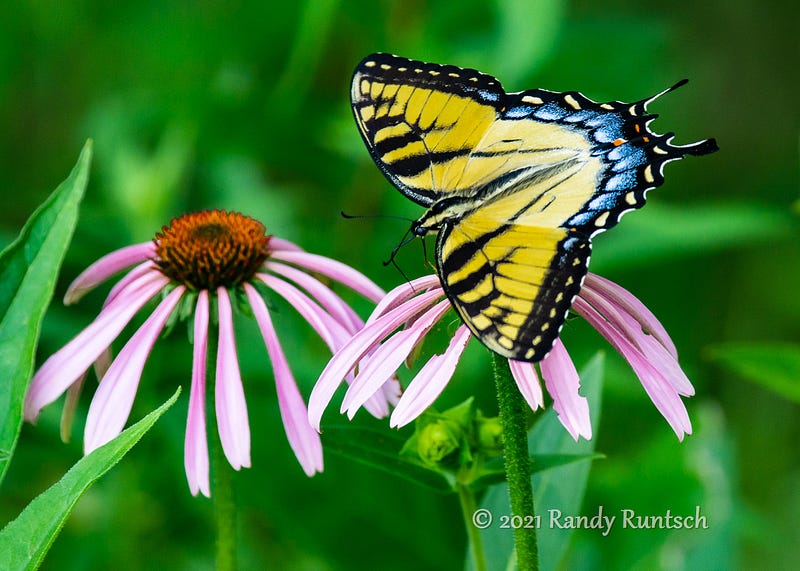
Butterflies beautify our world as they flutter with elegance from blossom to blossom. Their four-stage insect life cycle fascinates us.
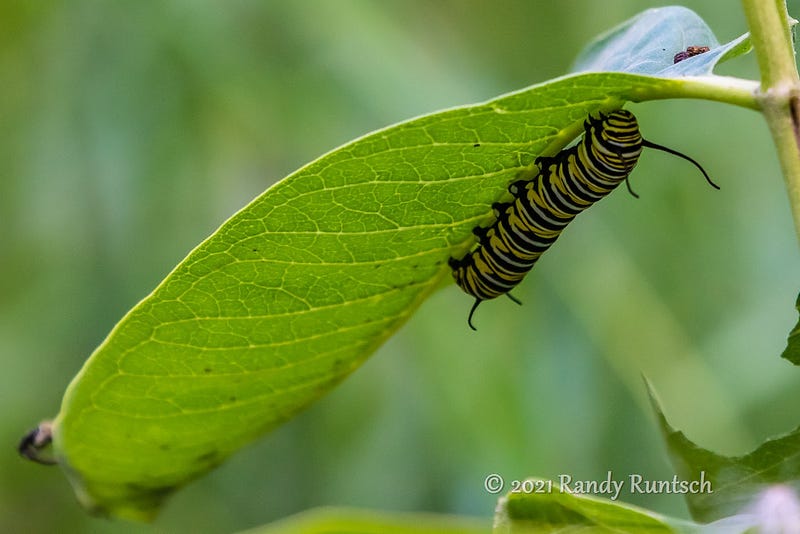
Most butterflies pass through four stages, which include egg, larva, pupa, and imago. The second through fourth stages are often called caterpillar, chrysalis, and adult.
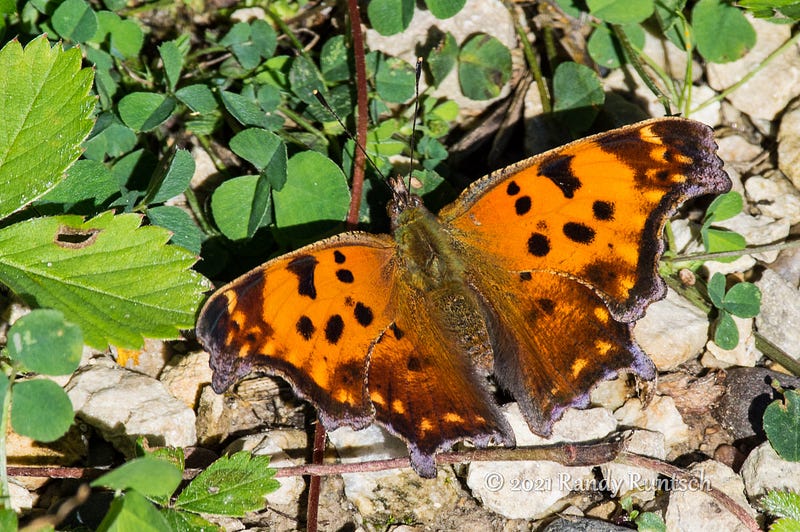
Butterflies have flown on Earth for millions of years. More than 18,000 butterfly species inhabit all continents except Antarctica.
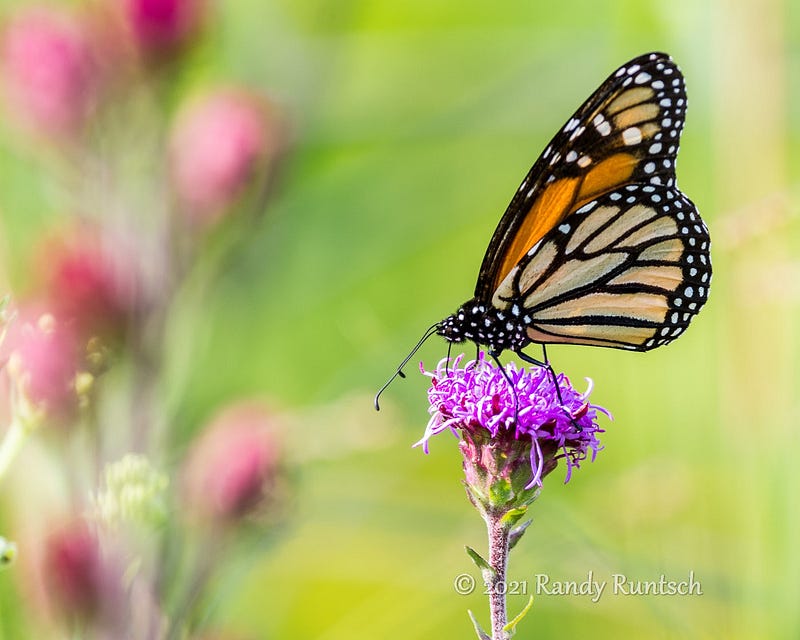
Some butterflies, like the monarch and painted lady, migrate thousands of miles. No individual butterfly completes the journey. Several generations are born and die to complete a migration.
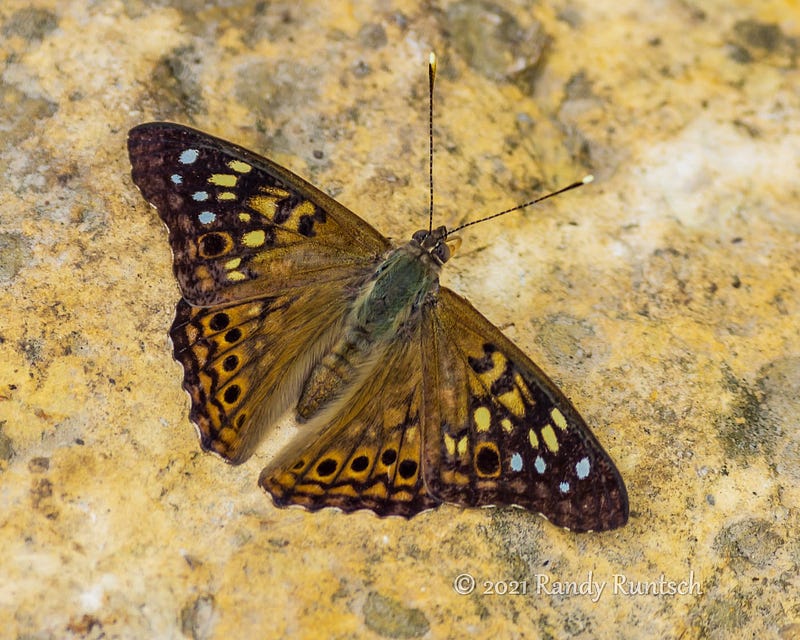
Butterflies feature various colors, shapes, and sizes. Like all insects, their body consists of a head, thorax, and abdomen, and they have six legs. Butterflies also have large wings and antennae.
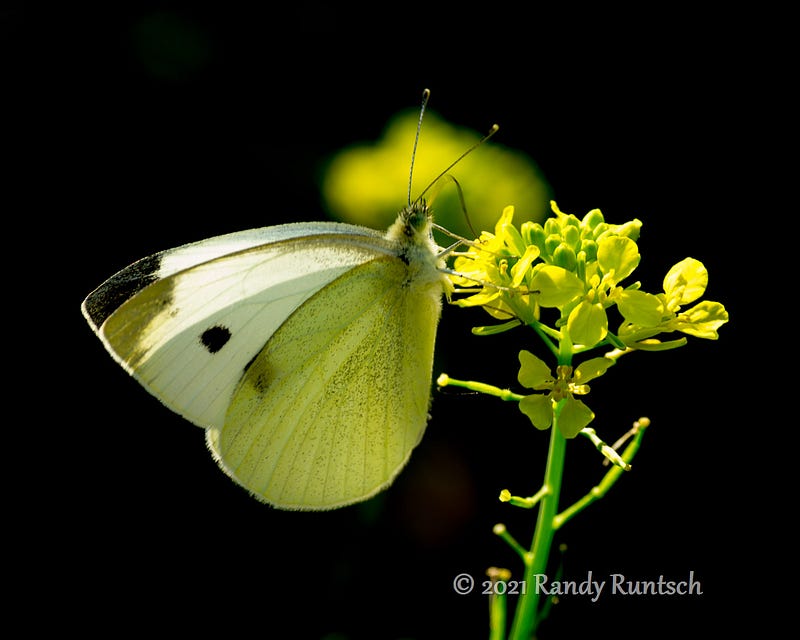
The largest species of butterfly is the Queen Alexandra’s birdwing. The wingspan of females can reach 11 inches. They can be up to 3.1 inches long.
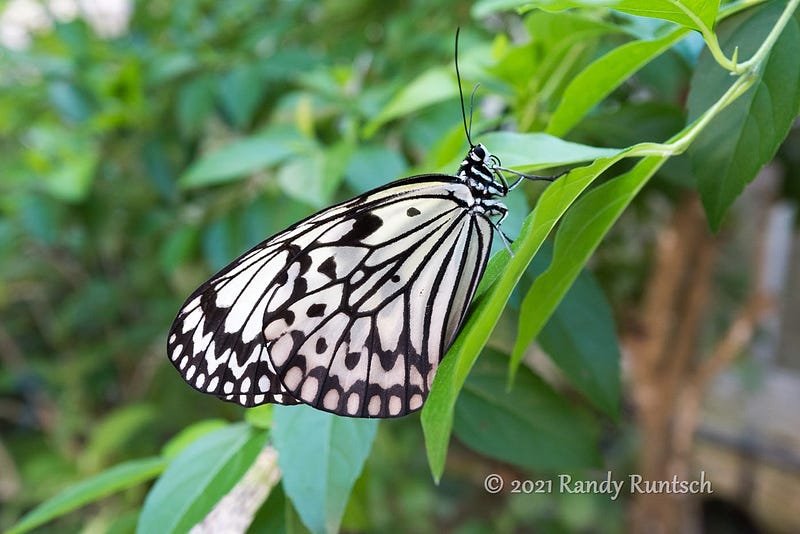
Most butterflies feed on flower nectar. Some pollinate plants. While they carry less pollen than bees, they can transport it over long distances. In addition to the benefits of pollination, some caterpillars eat harmful insects.
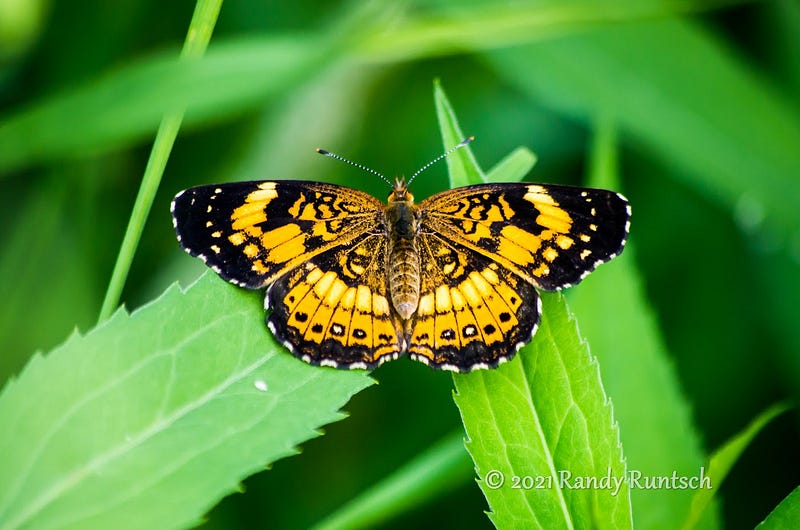
Like other wildlife, butterflies face threats. Parasitoids feed on butterflies in their early stages. They face predators, disease, and environmental changes in all life stages.
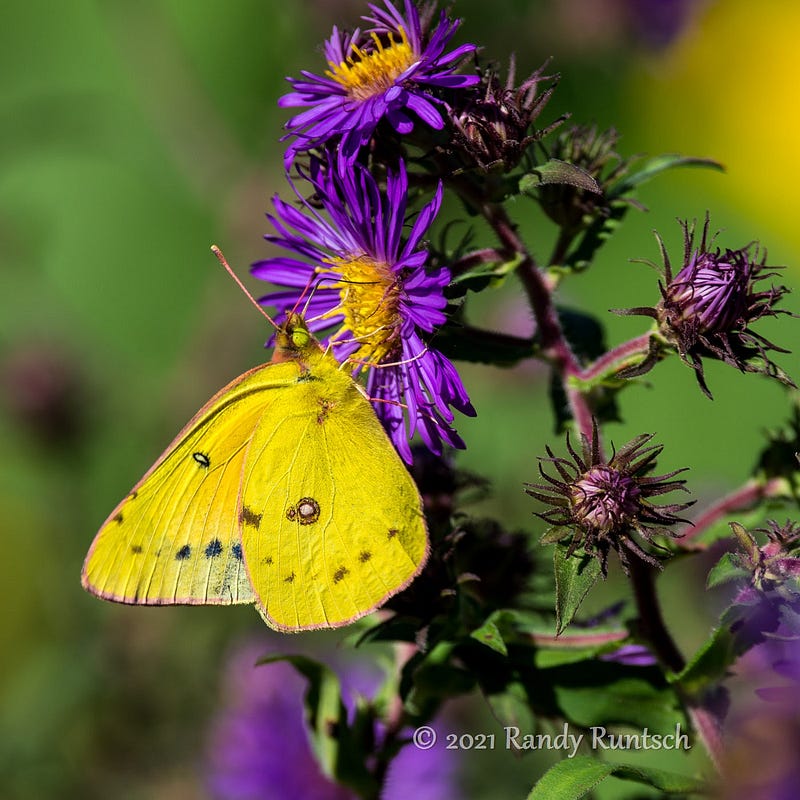
Ancient Egyptian sculptures fashioned relief sculptures of butterflies. Because of their beauty, they are often subjects of artists, jewelers, photographers.
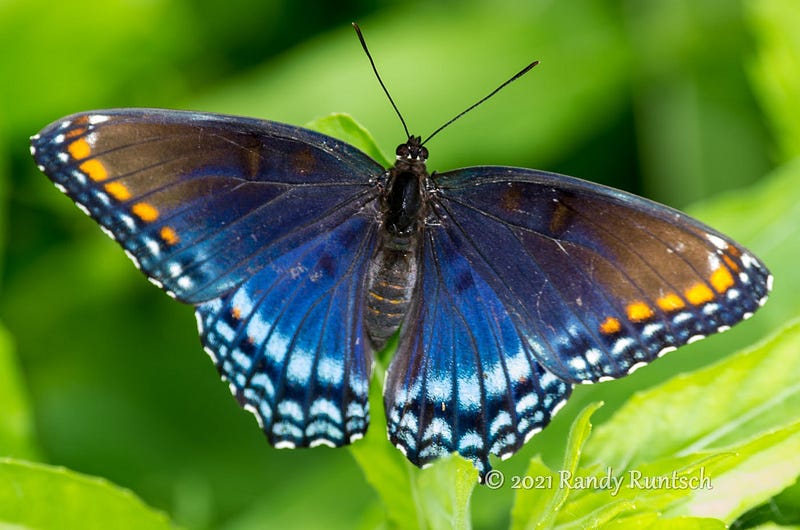
Butterflies grace our world with color, shape, movement, pollination. They serve as food for other animals.
Sometimes, the sight of a gentle butterfly can bring us joy.
References
Butterfly Conservation — Identify a Butterfly
Wikipedia — Butterfly
Wikipedia — Parasitoid
Wikipedia — Queen Alexandra’s Birdwing
Randy Runtsch publishes Wildlife Trekker magazine. He is a writer, photographer, data analyst, and programmer. He writes for Wildlife Trekker, Towards Data Science, The Shadow, and other publications.
Randy and his wife live in Southeastern Minnesota in the U.S.A.


