avatarRandy Runtsch

Summary

Randy Runtsch shares his experience of observing and photographing birds and a woodchuck at Essex Park, highlighting the park's diverse habitats and the surprising photography opportunities provided by a central brush pile.

Abstract

The article recounts Randy Runtsch's frequent visits to Essex Park, a former farmstead turned city park, which has become a prime location for bird watching and photography. Despite its unassuming appearance, a brush pile within the park serves as a focal point for avian activity, attracting various species that perch amidst its dead brush and nearby foliage. Runtsch details an especially lively morning in the park, where he encountered an array of birds, including sparrows, a catbird, an indigo bunting, and a black-capped chickadee, as well as a woodchuck. The park's features, such as a giant cottonwood tree and a meadow, add to its richness as a natural habitat. The author reflects on the simple joy derived from these encounters with nature, drawing parallels with sentiments expressed by Henry David Thoreau and E.E. Cummings, and emphasizes the urgency to appreciate these moments before the birds migrate with the changing seasons.

Opinions

  • Randy Runtsch finds a deep connection with nature, comparing his happiness to that of a woodchuck as described by Henry David Thoreau.
  • The author views the brush pile as an unconventional but effective photography studio within the park, providing ample opportunities to observe and capture images of wildlife.
  • Essex Park is described as a place where one can experience the "secrets of living," suggesting a reverence for the natural world and the insights it offers.
  • The article conveys a sense of appreciation and wonder for the park's ecosystem, particularly the unexpected encounter with a woodchuck, which is not typically associated with such settings.
  • The author expresses an intent to return to the park, indicating a personal commitment to continue engaging with and documenting the local wildlife before the onset of autumn.
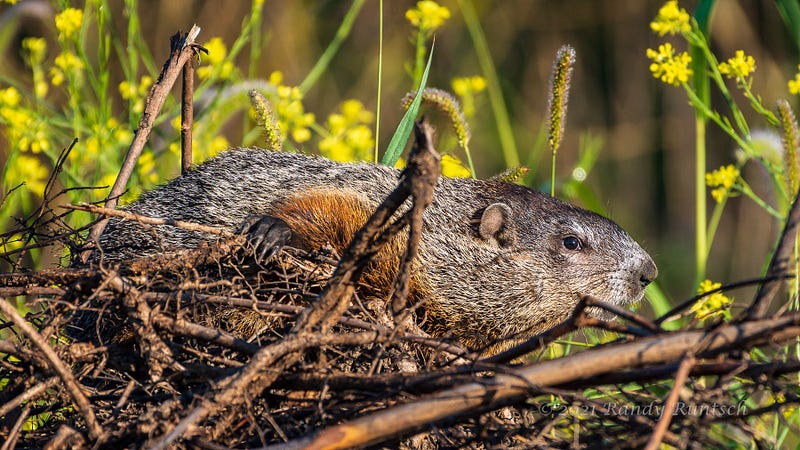
A woodchuck, also called a groundhog, poses stealthily in the brush pile as I watch and take photos. © 2021 Randy Runtsch.

Birds, Mammals, Wildlife, and Nature Photography

The Woodchuck and Birds of the Brush Pile

Who knew that a brush pile could serve as a nature photography studio

“I am too easily contented with a slight and almost animal happiness. My happiness is a good deal like that of the woodchucks. “— Henry David Thoreau

Essex Park has become my favorite close-to-home bird watching and bird photography destination. The large city park is located on the site of an old farmstead and still features an old windmill, a barn, a corn crib, and a silo. It features varied landscapes, including a hardwood forest, sprawling meadows filled with wildflowers, and a small creek without a name.
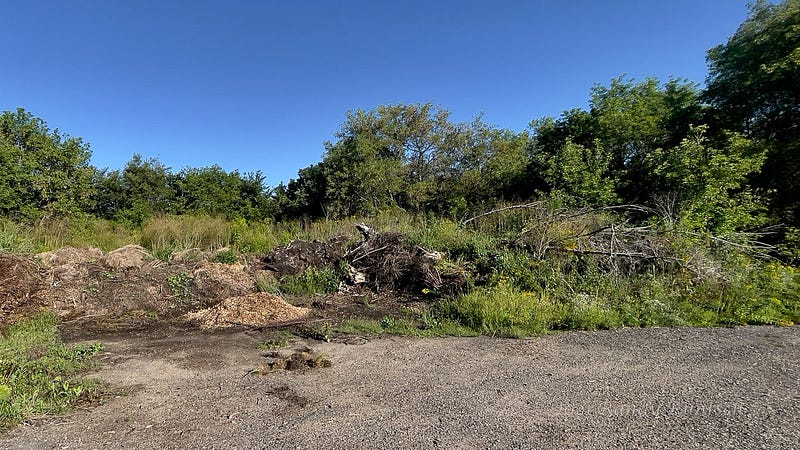
The brush pile located in the center of Essex Park attracts birds, and sometimes mammals, too. © 2021 Randy Runtsch.

I wander the trails of Essex park several times each week when birds are most active. While the route varies, visits almost always include two stops at the park brush pile. While it’s not a scenic spot, songbirds regularly perch on its dead brush, logs, and nearby live trees, shrubs, and flowers. Situated between a hiking trail and a stand of trees, it seems to be an ideal spot for birds to absorb sunlight with a quick escape route to cover.
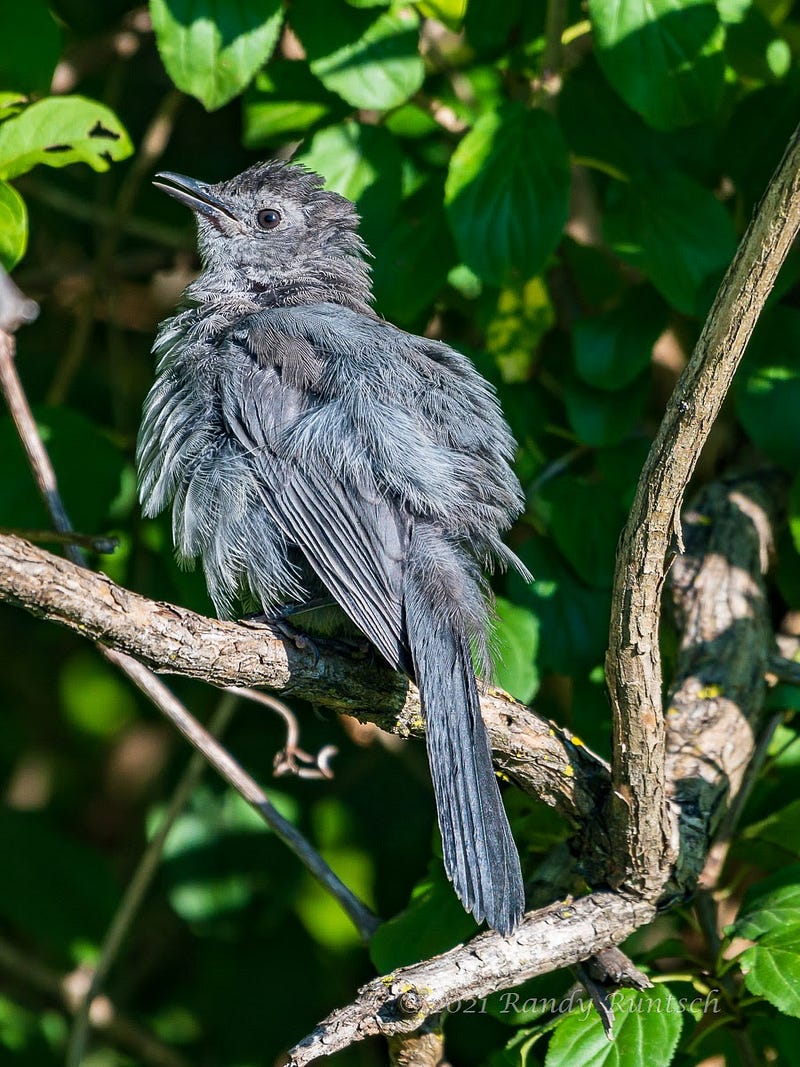
This scruffy gray catbird preened its feathers as I approached. © 2021 Randy Runtsch.

The birds were more active than normal on today’s early-morning hike through Essex. On recent late-summer days, the park was quiet. But today, I watched dozens of birds as they flew from tree to tree and flitted from blossom to blossom.
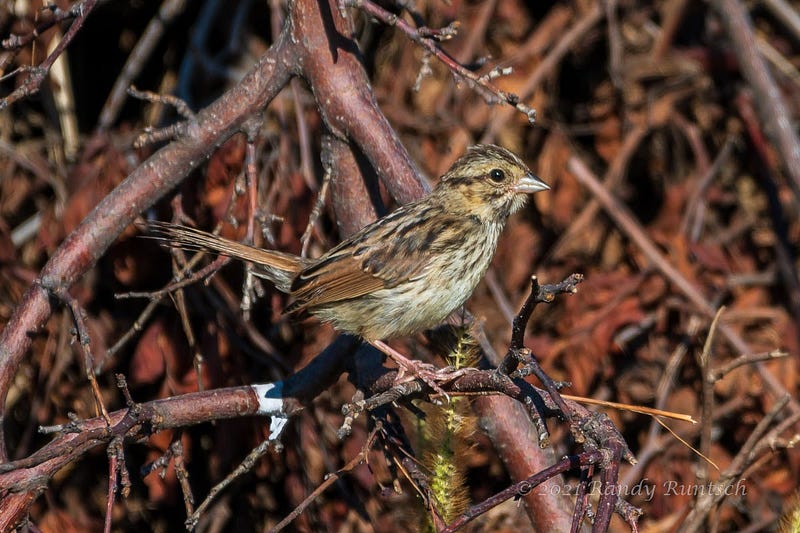
Sparrow in the Essex Park brush pile. © 2021 Randy Runtsch.

On my way into the park, I stopped at its lone giant cottonwood tree. Usually, I’ll spot one or two birds up high, but today, birds filled its branches as they came and went.
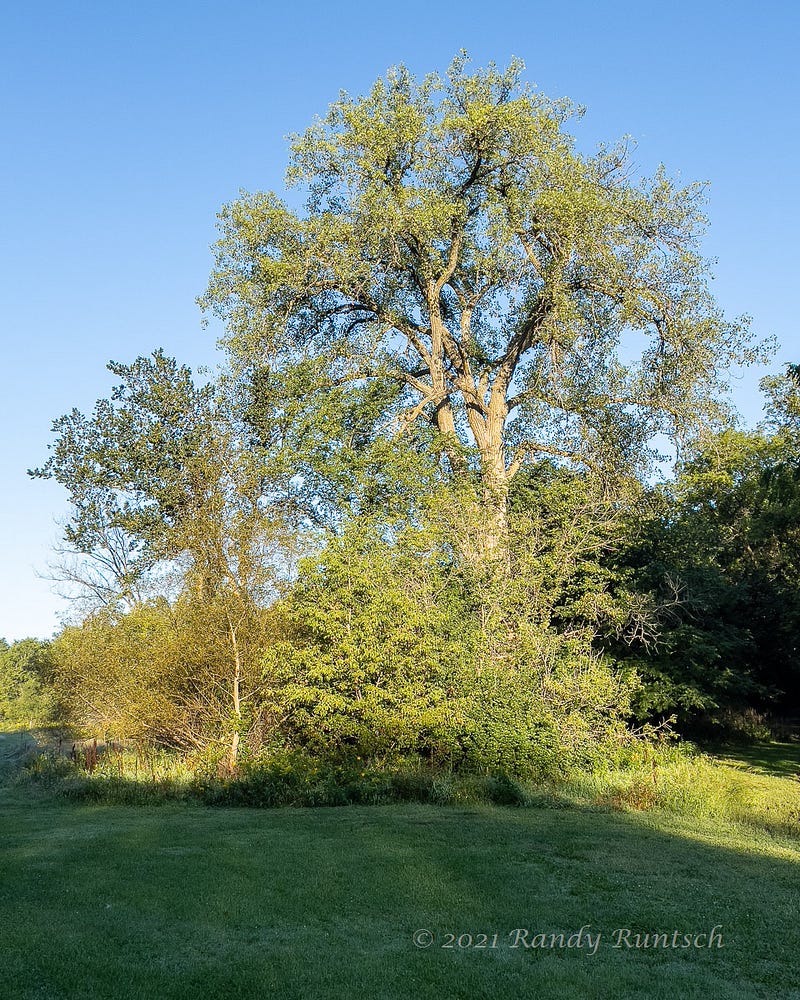
The giant cottonwood tree in Essex Park. © 2021 Randy Runtsch.

“May my heart always be open to little birds who are the secrets of living.” — E.E. Cummings
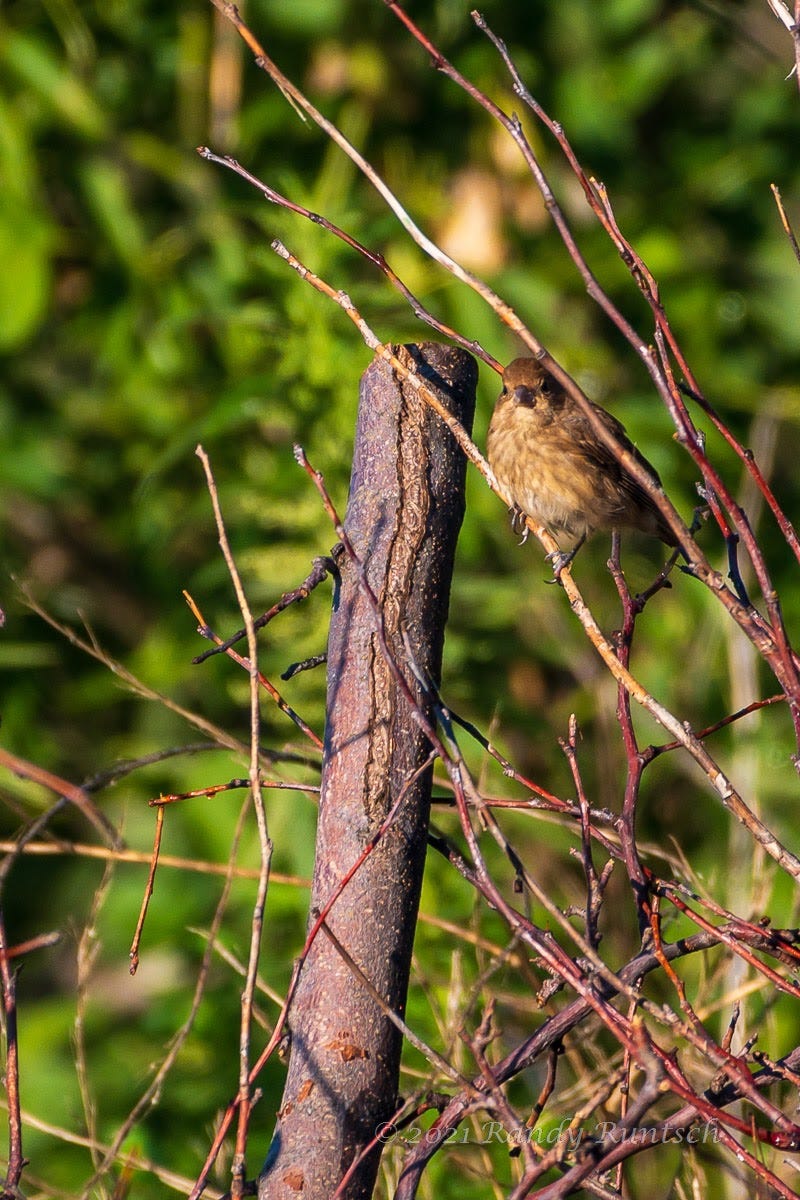
Sparrow in the Essex Park brush pile. © 2021 Randy Runtsch.

I moved on and stopped, of course, at the brush pile. There, a woodchuck delighted me as it sat on a log among dead branches. The sizeable rodent must have believed that I had not seen it, since it sat still as I took many photos.
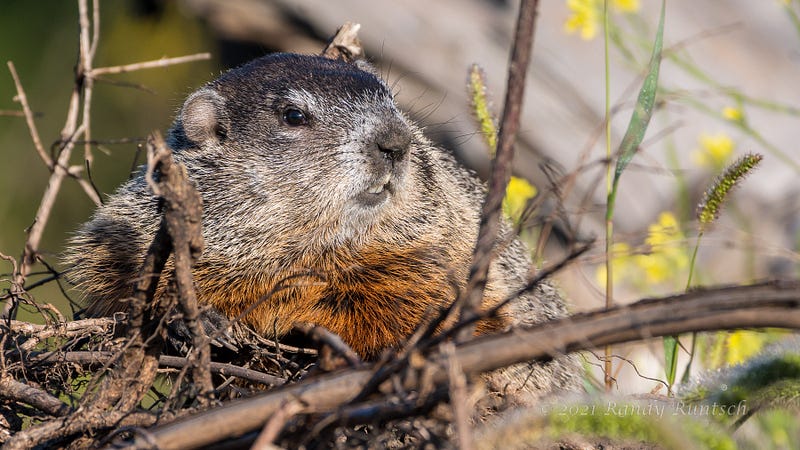
A woodchuck enjoys the sunshine atop a log as I take its photo. © 2021 Randy Runtsch.

Before I continued to the meadow, I also watched and photographed several sparrows and an indigo bunting. Then, as I moved on, I enjoyed the presence of the birds as they sang, chirped, and feasted on seeds all around me.
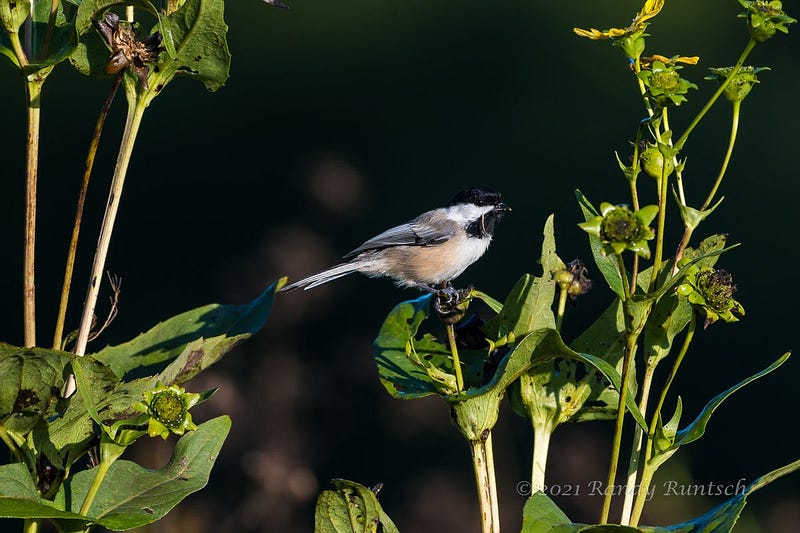
Black-capped chickadee. © 2021 Randy Runtsch.

On my way out of Essex Park, I stopped at the brush pile for a second time to watch birds. As expected, they didn’t disappoint me as they flitted about and preened their feathers.
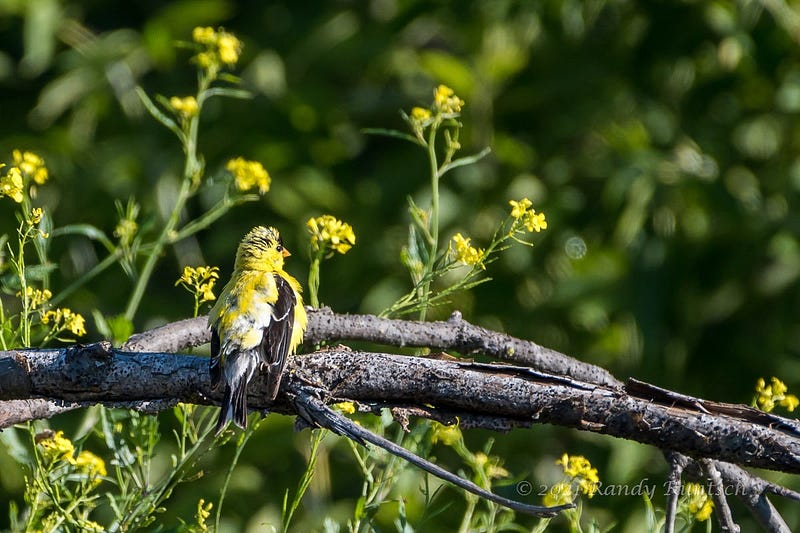
Scruffy American goldfinch male perched in the Essex Park brush pile. © 2021 Randy Runtsch.

The short summer in Minnesota will soon give way to auto. Before long, many of the birds will fly south. So, I had better return to Essex Park and its brush pile tomorrow.
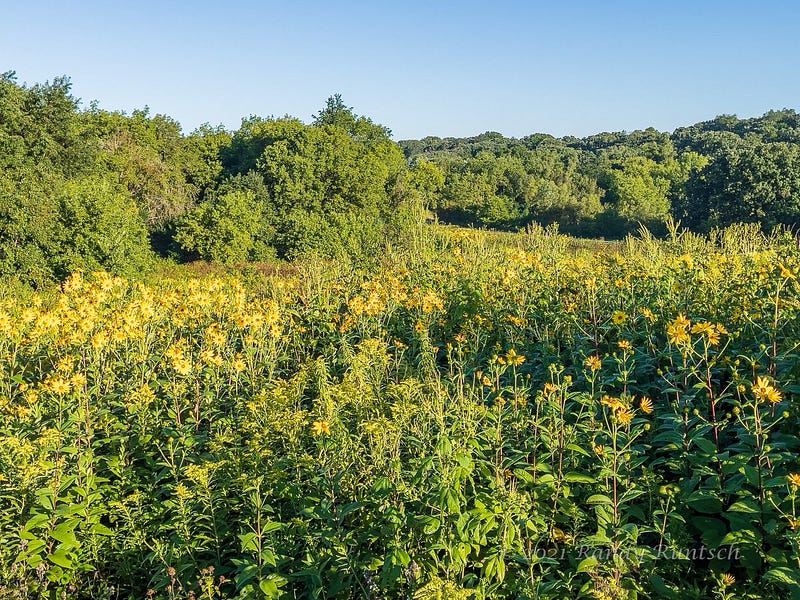
The meadow and woods of Essex Park in Rochester, Minnesota. © 2021 Randy Runtsch.

“The groundhog is like most other prophets; it delivers its prediction and then disappears. — Bill Vaughan”

Nature
Birds
Wildlife
Outdoors
Photography
Recommended from ReadMedium