
%22%3E)
Memoir — Photography
The Batanghari River Story: The Man With The Fishing Net
Pollution and survival.
Continue from the Batanghari River story:
Part 1
Part 2
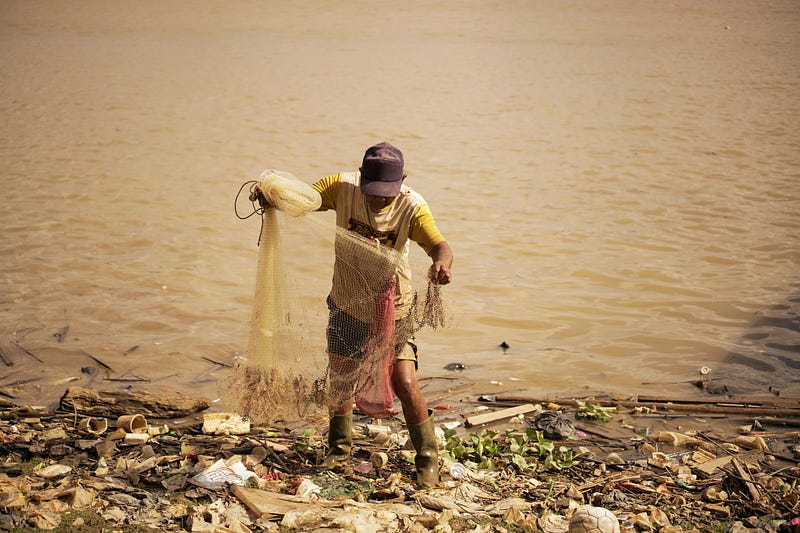
We continued our stroll along the Batanghari River, the shattered trash here and there as far as I could see. As I mentioned before in my story, this place is not dump land, but it looks like one.
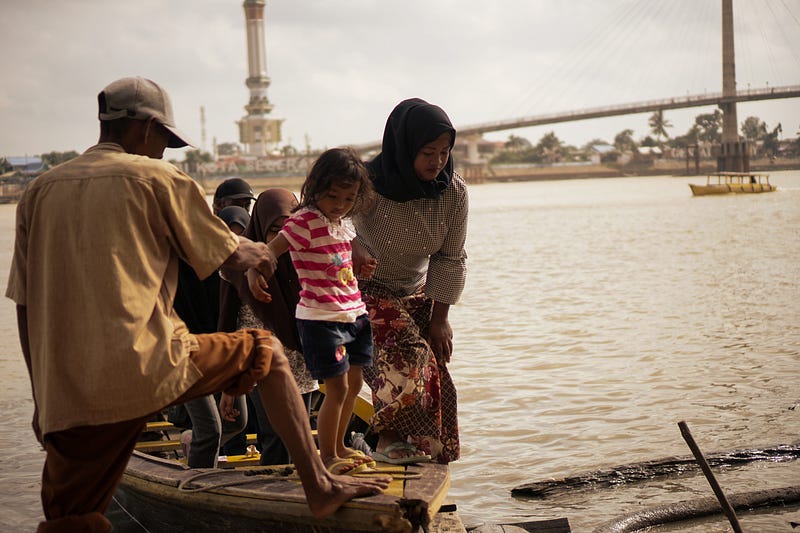
The pathway we walked on was also where people got off a type of local transport called Ketek (a long tail boat.)
Even with the piles of rubbish around, it seemed like a normal route for them — whether heading to work, the market, or just going about their daily business.
They passed by without appearing annoyance at the disheartening view. Perhaps they were accustomed to it, or maybe it was just a part of their daily reality.
As we meandered further, we spotted an old man who in sixties with a fishing net, and I wondered if there were any fish left in the polluted water.
Intrigued, we approached him, exchanging greetings and asking what he was doing.
To my surprise, he proudly displayed the fish he had caught. Trying to hide my shock, I remarked, “Banyak tangkapannyo yo pak!” — “There are many fish caught, sir!”
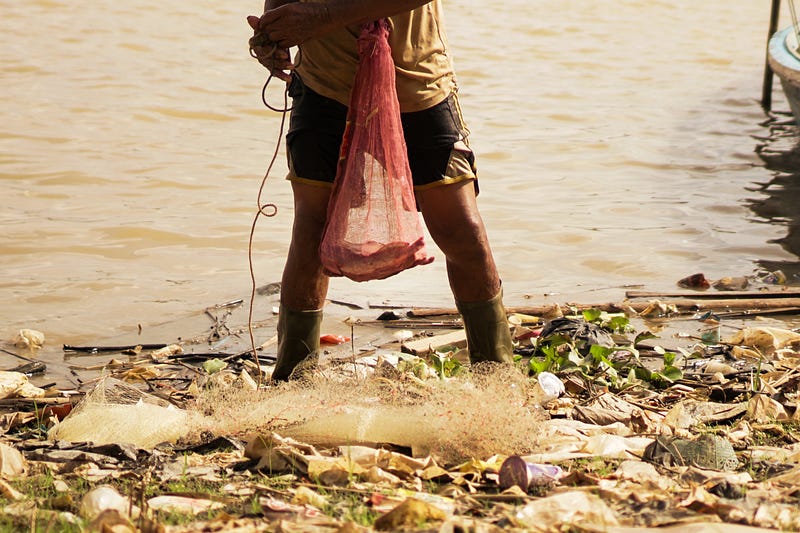
His response struck a chord, “Dak kek biasonyo ni, tapi cukuplah buat makan, alhamdulillah” — “Not like usual, but enough for a meal, praise be to God.”
A mix of empathy and frustration welled up within me, yet I remained silent. Thoughts about the potential dangers of microplastics in those fish swirled in my mind, but who was I to lecture him about the risks?
I believe, he realized it, however, survival for him meant catching fish, even if they were from polluted waters. Despite the visible pollution, he had no choice but to fish there to feed his family.
That’s all for now. The Batanghari River story is not over yet.
Thank you for reading this story ❤
See you next Saturday.
Happy Weekend. 🤗