
The Baseball Record Never to be Broken
Forget about Cy Young, Jackie Robinson, Joe DiMaggio, Pete Rose, Cal Ripkin, Hank Aaron and all the other mortals. Major League Baseball record books made room for Eddie Geadel.
Major League Baseball is constantly tweaking its rules to make the game more interesting for the fans. Fighting for the ever-expanding competition from football, basketball and soccer, so baseball has, for many years, been increasing its fan base by inundating loyalists with statistics.
Seems like every day there’s a record broken — or a new record to set.
Runs batted in (RBIs) have been replaced by on base percentage (OBP) and pitching wins (Ws) have been replaced by quality starts (QS) in many fantasy leagues.
Gotta keep the fan’s short attention spans for a 3-hour game. More if extra innings are needed to determine a winner.
Major League Baseball’s brain trust has concluded there has to be some announcer chatter between pitches to give the batter time for endless batting glove adjustments slowing down the game. Pitchers have their rituals too from jock to hat rearrangement.
Baseball game color-men seem delighted to report that some records can never be broken, by way of limited example: Joe D’s continuous game hitting streak (56), Hank Aaron’s career home run total of 755.
Bigger, stronger, better players nowadays? I don’t know — is there a chance even those previously regarded as sacrosanct may fall?
After all, 5 Met pitchers combined to no hit the Phillies only last night approaching the 6 pitcher record set by the Astros against the Yankees 20 years ago.
The unbreakable record:
I can say this without fear of equivocation: there is one record that will not ever be broken.
It was set by a player who played only 1 game in the MLB, never took the field and only entered the batter’s box once.
The man’s name: Eddie Gaedel.
Bill Veeck:
Veeck was the last owner to purchase a baseball franchise without an independent fortune. As a result, he was responsible for many fan-friendly innovations to the game. In his career as team owner, he was associated with the Milwaukee Brewers, Cleveland Indians (now Guardians), St Louis Browns (now the Baltimore Orioles as of 1954), and the Chicago White Sox.
In addition to winning a World Series as owner/manager of the Cleveland Indians in 1948 he was inducted into the Baseball Hall of Fame (1991).
Veeck was responsible for signing the first black player ever to play in the American League (Larry Doby).
He installed a portable fence in Cleveland Municipal Stadium and moved it in or out according to the weakness or strengths of the opposing teams.
As owner of the Browns, he gave signs to the fans that filled Sportsman’s Park (bunt, steal, bring in a reliever, intentional walk, etc) and followed their instructions in the game that his Browns eventually won 5–3 snapping a losing streak. It is with the Browns that Veeck enabled Gaedel to set his never to be broken record.
Veeck’s promotional expertise was evident in his work as part-owner of the White Sox by the team setting attendance records year after year in Comiskey Park. By installing the first “exploding scoreboard” in the major leagues with electrical sound effects and fireworks whenever a White Sox player hit a home run Veeck kept the fan interest high.
He was responsible for suggesting Harry Caray long-time White Sox announcer sing “Take Me Out to the Ballgame” a fan favorite activity that lives on today in every major league ballpark during the 7th inning stretch.
Veeck did not bat a promotional 1000:
His infamous Disco Demolition Night for which fans who brought in a disco record to be blown up between games of a double header were only charged 98 cents to see the games was an abject disaster.
The explosion resulted in extensive damage to the field, a riot and forfeiture of both games by the White Sox.
Bill Veeck, Eddie Gaedel and the record that will never be broken:
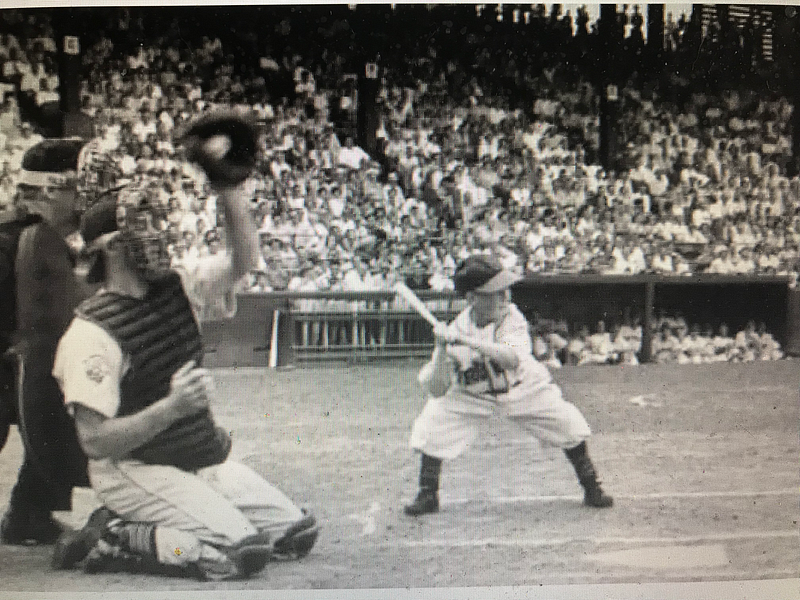
The old baseball saying, “A walk is as good as a hit,” made sense to Bill Veeck. Along with the promotional value, Veeck signed the first and only dwarf to play major league baseball.
Gaedel stood 3' 7" and weighed 70 pounds
He was, by far the shortest player to ever play the game.
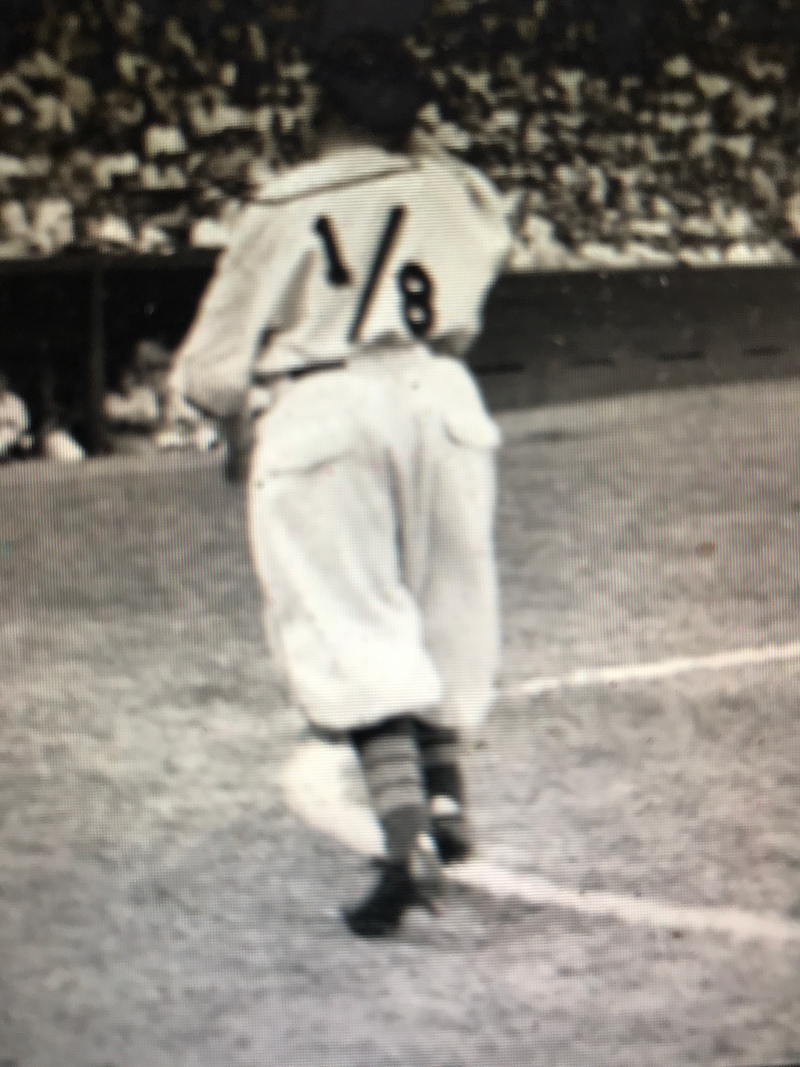
Eddie only had one plate appearance and walked on 4 straight pitches.
Not a swing of the bat — but an OBP of 1000.
He was then pulled for a pinch runner.
Bill Veeck died of cardiac arrest at the age of 71 in 1986.
Eddie Gaedel died as the result of a fight in a bowling alley at the age of 36 in 1961.
Both men are forever linked in baseball history for their unique contributions.
This story was self-published 4/29/22


