
The Bad-Ass That Taught Me How To Travel
6 reasons why Anthony Bourdain was one of the greatest spokespeople for travel.
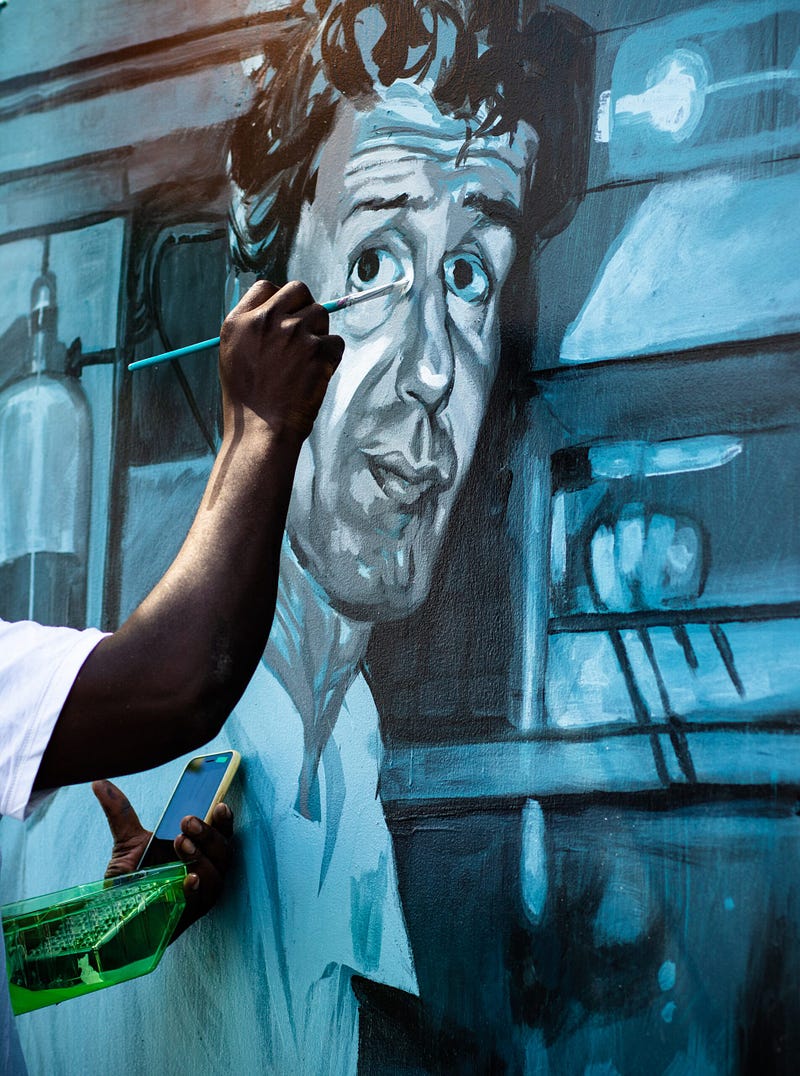
Anthony Bourdain rose to fame as a bad-boy chef. His book Kitchen Confidential tore onto bestseller lists in 2000 when Bourdain was 44. The book undoubtedly vaulted him into a piece of the celebrity eye at that time, and the publicity that followed put his charismatic persona in front of large audiences. But his life as a chef isn’t necessarily what he is most recognized or remembered for doing.
I came to know of Anthony Bourdain, not as a celebrity chef but a traveler. I first set eyes on his character on television in the acclaimed Travel Channel show No Reservation, a series that gave his creativity and charm potential to shine. Melded with an edgy, cultured, rock-and-roll vibe, Bourdain provided a flavorful twist to the traditional travel show. He traveled the world with a tight-knit film crew for a network that gave him relative freedom to pursue travel stories that interested him while eating gratuitously and drinking prodigiously with every chance he got. His witty banter and sarcasm and informed understanding of the world made Bourdain a face for travel. CNN later picked him up for a series titled Parts Unknown, a gig that further solidified his prolific presence as a leading travel spokesperson and persona throughout the world.
Here are 6 reasons why Anthony Bourdain was one of the greatest spokespeople for the travel industry.
His grasp of history and politics
Tony was not shy when it came to broaching the historical or political pasts of a place. He often fused his travel stories with history and politics, sometimes shining a light on controversial moments. The main motive driving the narrative was always the food culture of any given location. But a desire to immerse in culture and history drove the underbelly of his work. In Ireland, Bourdain spoke of the issues of religious persecution and war; In Kurdistan, he discussed the plight of the Kurds in the region; In Colombo, he talked about the Sri Lankan civil wars that plagued the population for years. Tony always kept history and politics at the beat of his story.
While a foodie at heart, he took every advantage to parlay his travels with rich identifications of its historical and political pasts and presents. These marked him as a world traveler with a keen sense of history and a bold appreciation for culture and place.
His lack of interest in famous places
Anthony steered clear of turning his program into a revolving door of famous landmarks. He was far too hip for any of that. Instead, he veered towards genuine interactions with people and told stories that squirted the topic of tourism, mostly. While brief video montages accompanied his stories(famous landmarks are sometimes difficult to avoid), he rarely placed a focal eye on places where tourists converged. His travels were more about getting to know places through its richer underbelly. Off The Beaten Path would make a fitting title to an Anthony Bourdain biography book.
His appreciation of the link between culture and food
Tony understood the deep-seated relationship between culture and food; it was his bread-and-butter. Food served as the epicenter for the program and allowed him to make natural connections between it and the people and cultures of the places he visited. Anthony never refused a meal, owing to the genuine respect nurtured for the relationship between culture and geographical location. He famously ate the stomach of a warthog in Namibia that left him sick for days following.
A good traveler is resilient and adaptable to the local custom and way of doing things. When gifted with genuine hospitality, the traveler must be willing to venture outside of his or her comfort zone and attempt to live like the locals. Tony did this with food at every step of his adventures around the world. He shone a light on the significance of food and its connection to culture and people. This respect stamped his reputation as a traveler of worldly class.
His passion for literature
Bourdain’s profound love and appreciation of books and culture often influenced his choice of travel destination. He made this a recurrent tenet in his traveling narration — to talk about books that imparted an understanding of place. Heart of Darkness by Joseph Conrad is referred to in multiple episodes, most notably in the Congo when Tony rides aboard an old steamer down the Congo River. He references James Joyce when visiting Ireland; he quotes Graham Greene from The Quiet American before meeting with President Obama in Hanoi. And in Las Vegas, he pays homage to one of his favorite books Fear and Loathing in Las Vegas, by recreating a few of the book’s integral scenes and moods.
All this love of reading and books helped him romanticize the world around him, with relevant quips along the way; his traveling experience enriched by the accumulation of knowledge and understanding. Being well-read made him more interesting, more pertinent about the places he traveled, more engaging to audiences, and more suitably connected to the people and places.
He revisited locations
Anthony Bourdain was not the typical traveler who merely visited places to knock them off his bucket list. He traveled to connect and to learn and often revisited locations he adored because of the rich vibes they endowed him. He shot in Vietnam numerous times(at least 3 or 4 separate occasions) and notably visited there on his own time. He returned to Borneo with Parts Unknown after visiting the island in the first season of No Reservations. He made his return to Beirut. Tony was not possessed by a flimsy desire to cross off as many countries as he could. He chased after good experiences and followed the world circuit wherever invigorating opportunities arose.
He remained humbled by it all
Despite having a largely successful career as a travel writer and voice, he remained humbled to his core. He never took his experiences for granted and reminded himself, and the viewer, how fortunate it all was for him — that he could devour exquisite meals around the world without having to pay for any of it. Through his worldwide celebrity and talk show appearances, he found a way to remain grounded and real.
All respectable travelers should exemplify humility; travel is a privilege that only a sliver of the human population on Earth can consider. It is never something that we should take for granted.
Having traveled vicariously with Anthony Bourdain over the last fifteen years of his broadcasts and book publishing, I was heartbroken when he decided to end his life in June 2018. For me, Tony exemplified class and extended his charisma effortlessly onto others — a trait noticeable on the screen and in his books. He remains a beacon of inspiration for world travelers; his attitude shines a perfect scope over how one should act when visiting the world. He is, without doubt, a global figure for travel, an effective spokesperson for the travel industry, and a genuine bad-ass — down to the core. Rest in peace, my travel friend.