
The Baby Mama Epidemic
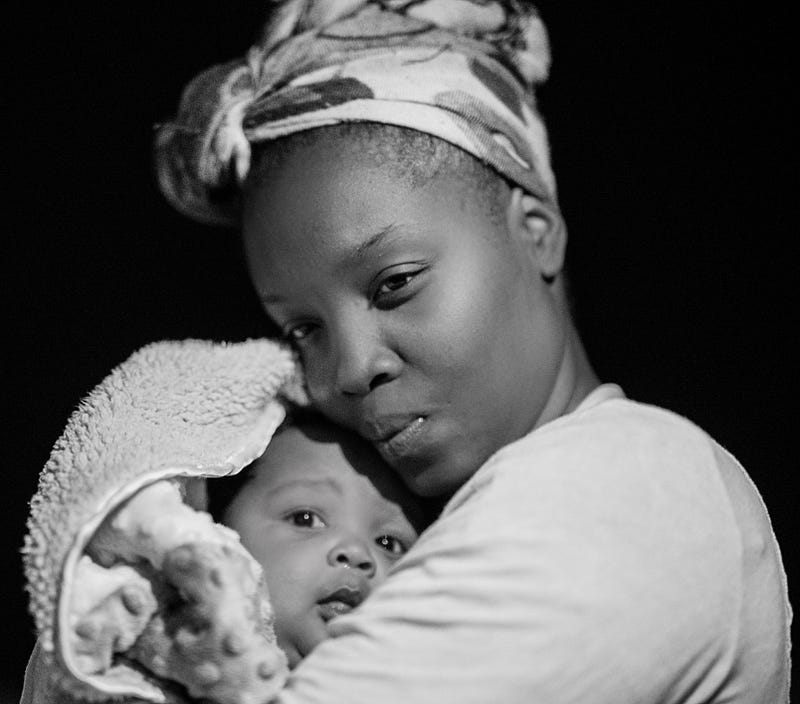
In recent times, our society has witnessed a growing phenomenon that has come to be known as “The Baby Mama Epidemic.”
This term refers to the increasing number of single mothers raising children without the active involvement of the fathers.
While the reasons for this trend are varied and complex, the consequences for the children involved are profound.
What are the emotional and societal impacts of single parenthood and the absence of fathers? Is there a way of addressing this issue for the well-being of our children?
The Struggles of Single Parenthood
Single mothers who find themselves in the midst of “The Baby Mama Epidemic” face a multitude of challenges.
They must be both the nurturer and provider, managing the financial, emotional, and physical needs of their children alone.
This often results in untold emotional strain and exhaustion.
The emotional toll of single parenthood on children as well cannot be underestimated.
Growing up without the active presence of a father can lead to feelings of abandonment, confusion, and insecurity.
Children may grapple with questions like, “Why isn’t my dad around?” and “Is there something wrong with me?”
It is natural for a young child to yearn for their father’s presence and guidance.
The absence of a father figure may lead to a longing for male role models, potentially influencing their friendships and relationships as they grow older.
Fathers play a unique and crucial role in a child’s life. They provide a source of guidance, discipline, and support that complements the nurturing role of a mother.
The absence of this influence can have lasting consequences on a child’s emotional development.
Imagine a teenager navigating the complexities of adolescence without the guidance and support of their father.
They may face difficulties in developing their identity, forming healthy relationships, and making life-altering decisions.
Societal Implications
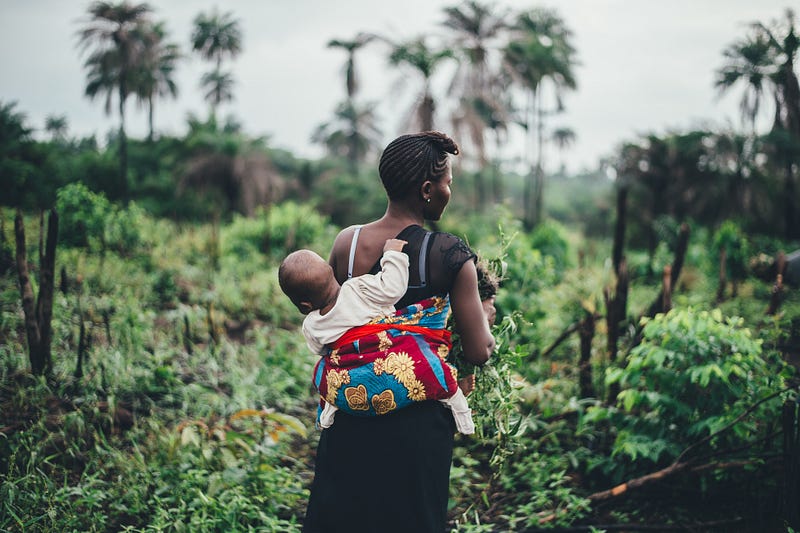
The repercussions of “The Baby Mama Epidemic” extend beyond individual families. The collective impact of absentee fathers has far-reaching consequences for society as a whole.
This phenomenon has been linked to a host of social issues, including higher crime rates, lower educational attainment, and a cycle of single parenthood that perpetuates across generations.
A single mother who grew up without an active father in her life may find herself repeating the cycle of single parenthood, further contributing to the issue.
This generational pattern is a confirmation of the need for intervention.
An Attempt at Addressing the Issue
We cannot ignore the emotional and societal impact of “The Baby Mama Epidemic.” It is imperative that we recognize the importance of addressing this issue, not only for the well-being of the mothers but, most importantly, for the sake of the children.
Our society must support and empower single mothers, provide resources for absentee fathers to be involved in their children’s lives, and promote the importance of active fatherhood.
By doing so, we can break the cycle of this epidemic and give our children the emotional support and guidance they need to thrive.
Our children deserve to grow up in an environment where they feel loved, supported, and guided by both parents, and it is our responsibility to ensure they have that opportunity.


