
The Astonishing Truth About Vomitoria Revealed
The ancient Romans had them as do we
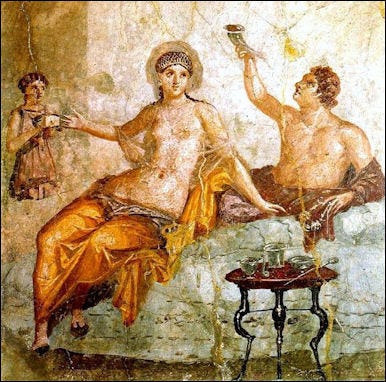
“They vomit so they may eat, and eat so that they may vomit.” — Seneca in a Letter to Helvia
The ancient Romans have a pretty lousy, albeit well-deserved reputation. They stole brilliant ideas from the Greeks and made them grotesque. Their relentless empire-building enslaved millions and left the wreckage of countless cultures and civilizations in its wake. They crucified Jesus; need I say more?
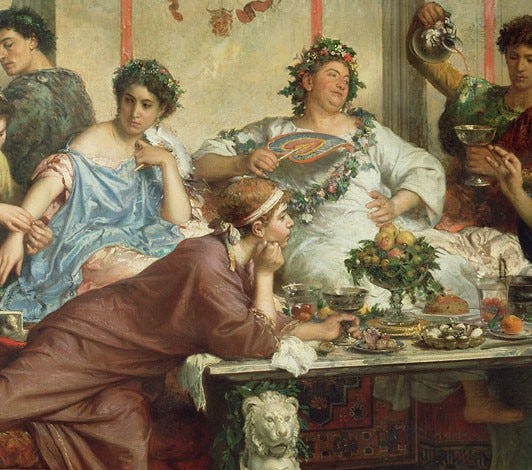
Eat, drink, and purge?
Literature and films are full of depictions of the wretched excesses of ancient Roman emperors and their minions. They threw Christians to the lions in the Colosseum just for yucks and married their close relations. They excelled at taxation without representation and primarily made life miserable for anyone who wasn’t rich and Roman for well over 1000 years. But one thing they didn’t have, as many people have claimed, is rooms in their villas for the express purpose of losing their lunches. How did this misconception arise?
The source material, such as passages from the works of contemporary authors Pliny the Elder and Seneca, is reliable, it’s just that those who came after used their classical educations to put two and two together and come up with five.
…but all naked and panting as they are, the instant they leave the bath they seize hold of large vessels filled with wine, to show of, as it were, their mighty powers, and so gulp down the whole of the contents only to vomit them up again the very next moment. This they will repeat, too, a second and even a third time, just as though they had only been begotten for the purpose of wasting wine, and as if that liquor could not be thrown away without having first passed through the human body. — Pliny the Elder on ‘Drunkenness’, BOOK XIV. THE NATURAL HISTORY OF THE FRUIT TREES
The fact is, binging and purging only to binge again was never a national pastime in ancient Rome. Seneca and Pliny were commenting on the overindulgences of some Roman nobles and provided first-hand accounts of particular incidents, but to say “this is what ancient Romans did” is like attending a hazing at a frat party and saying everyone in America today behaves like that. We don’t, and the ancient Romans didn’t either. But they did have vomitoriums. If they weren’t for vomiting, what was their purpose?
Everybody into the vomitorium!
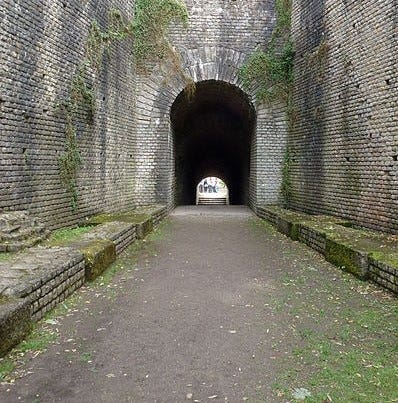
The vomitorium, today as in ancient Rome, is simply an architectural element of performance spaces like theaters and stadiums to aid in the efficient movement of people out of the arena when the show is over. The name has the same Latin root as the word “vomit,” which means “to spew forth, the idea being that people use the vomitorium to “spew forth” from the theater just as food “spews forth” when regurgitated.
The truth about this ancient Roman crowd control device may not be as sensational or intriguing as the urban legend. Still, it’s surprising to realize that most of us have passed through a vomitorium numerous times throughout our lives without even knowing it. The next time you do, give the ancient Romans props. It was their idea and a pretty good one at that.


