avatarDr. Derek Austin 🥳

Free AI web copilot to create summaries, insights and extended knowledge, download it at here

3599

Abstract

(or self-diagnosed) with insomnia.</p><p id="5d8c">My wife is a dolphin and frequently has racing thoughts that keep her up.</p><p id="2388">Turns out, that is just her chronotype —light sleep is the type of sleep that her body naturally leans towards.</p><figure id="7506"><img src="https://cdn-images-1.readmedium.com/v2/resize:fit:800/0*nzB9NNFl3w5EbgkZ"><figcaption><b>15%-20% of people are lions</b> (Photo by <a href="https://unsplash.com/@mdi?utm_source=medium&amp;utm_medium=referral">Ivan Diaz</a> on <a href="https://unsplash.com?utm_source=medium&amp;utm_medium=referral">Unsplash</a>)</figcaption></figure><p id="e8ee"><b>Lions </b>tend to wake up early with lots of energy, but by evening they are exhausted.</p><p id="0c11">These are your typical “larks” or morning people. The kind that gravitate to an hour-long run at sunrise because that is their time to unwind and relax.</p><p id="021c">Society generally rewards lions, but they can strain friendships.</p><figure id="4373"><img src="https://cdn-images-1.readmedium.com/v2/resize:fit:800/0*hbtnEzAwN9pM8haR"><figcaption><b>55% of people are bears</b> (Photo by <a href="https://unsplash.com/@jweiller?utm_source=medium&amp;utm_medium=referral">Jessica Weiller</a> on <a href="https://unsplash.com?utm_source=medium&amp;utm_medium=referral">Unsplash</a>)</figcaption></figure><p id="9680"><b>Bears</b>’ internal clocks follow the rise & fall of the sun, and they need a full 8 hours of sleep a night to feel rested.</p><p id="1aa8">They are by far the most common, and they are the reason why everyone knows there are “night owls” and “morning people”—they are different from everyone else, because they are not bears.</p><figure id="4575"><img src="https://cdn-images-1.readmedium.com/v2/resize:fit:800/0*UMuYAfKgxs6WJvuf"><figcaption><b>15%-20% of people are wolves</b> (Photo by <a href="https://unsplash.com/@mlarosa97?utm_source=medium&amp;utm_medium=referral">Michael LaRosa</a> on <a href="https://unsplash.com?utm_source=medium&amp;utm_medium=referral">Unsplash</a>)</figcaption></figure><p id="1c72"><b>Wolves </b>have a hard time waking up and are most energetic in the evenings.</p><p id="5a48">Wolves typically have the most problem fitting in with modern society because most jobs do not reward late-night productivity.</p><p id="8c8c">Wolves are more common than you might think they are: 15–20% of people are wolves.</p><p id="2ac3">I have seen several articles about the productivity “benefits” of waking up early — and I can tell you that not everyone gets those benefits.</p><p id="e2f1">The more I stress myself to get up earlier, the less I smile, the less I learn, and the less I have any zest for life at all.</p><p id="6f4b">Does that really sound like a productivity self-hack?</p><p id="4cb3">As someone who’s woken up as late as possible since I was a kid, and become quite successful in spite of my chronotype, here is my story.</p><p id="c178">Being a “night owl” has negatively affected my personal and professional relationships my entire life.</p><p id="b3e4">Multiple former girlfriends have called me a “slacker” since my internal alarm clock wakes me up at noon.</p><p id="bd4e">Multiple workplaces have asked me to be “more positive” at 8AM and then told me that I have an attitude problem when I simply cannot.</p><p id="8708">Despite a high IQ, innate confidence, and genuine desire to succeed, I have repeatedly suffered failures from simply sleeping differently.</p><p id="0cdd">Modern society is based on the idea that you will be present and ready to work at the assigned AM hour, whe

Options

ther 7, 8, or 9.</p><p id="b1ca" type="7">“The Early Bird Gets The Worm” — right?</p><p id="7031">And we award early birds with “Perfect Attendance” awards in school. I may have graduated in the top 3% of my high school class and received the mathematics medal, but I never had perfect attendance.</p><p id="557d">My last interview for a “night shift” physical therapist was for a 10–7 slot with an unpaid lunch. I counter-offered for a 12–8 slot without an unpaid lunch and was promptly rejected by the employer.</p><p id="134f">Despite the obvious fact that working professionals generally prefer to come in after work for physical therapy, morning chronotypes dictate schedule.</p><p id="1cfa">My solution is to play to my strengths. When I work a position requiring me to be awake and alert too early for my body, I forgive myself for being less productive than I would be in the afternoon. Also, I will use multiple natural strategies to force myself to bed earlier.</p><p id="6ee3">I no longer pretend that I am going to get up earlier to work, walk, read, meditate, or workout. I realize now that those 60 productive minutes in the morning will be weighed out by my huge drop in productivity all day long.</p><p id="d433">I am actively screening new job opportunities based on schedule and location. Since <a href="https://www.sleepfoundation.org/articles/drowsy-driving-vs-drunk-driving-how-similar-are-they">tired drivers are as dangerous as drunk drivers</a> according to the National Sleep Foundation, I do not want to be commuting for half an hour early in the morning when I have no chance of being fully alert.</p><p id="67bf">Now, if I have to be up early on weekdays, I do not let my sleep schedule change on weekends. I find it much easier to live outside of my natural rhythm for a little bit when if I force myself to be super consistent.</p><p id="a653">Finally, I’ve tamed my relationship with caffeine — I no longer act like I can just use increasing amounts of coffee to manage my sleepiness, because I found doing so only exacerbated my irritability when I am overly tired.</p><p id="6e59">Not sure which chronotype you are? <b>Take <a href="https://thepowerofwhenquiz.com/">Dr. Breus’s quiz</a> free online.</b></p><h2 id="daaf">About the author</h2><p id="c5e8">I’m a Wolf Chronotype, so I have no “internal alarm clock” that will wake “me up at 5:30 a.m.” In fact, I have severe insomnia trying to go to bed around 9 or 10 PM. Forcing myself to get up early leads to severe depression as my body fails to cope with chronic sleep deprivation. A few days of sleeping on my own internal clock, and my anxiety and depression resolve. Follow <a href="https://medium.com/@derek_develops">my blog on Medium</a> to read about <a href="https://readmedium.com/30-articles-in-30-days-start-a-react-js-career-on-medium-d6439da2417e">my career change in search of a remote job</a> that will let me work hours that fit my sleep schedule.</p><figure id="4fba"><img src="https://cdn-images-1.readmedium.com/v2/resize:fit:800/0*KB2E491QmUNhOLhL"><figcaption>Wolves unite! (Photo by <a href="https://unsplash.com/@mikeysal_15?utm_source=medium&amp;utm_medium=referral">Michael Mazzone</a> on <a href="https://unsplash.com?utm_source=medium&amp;utm_medium=referral">Unsplash</a>)</figcaption></figure><p id="e167"><a href="https://www.linkedin.com/in/derek-austin/">Dr. Derek Austin</a> is the author of <a href="https://www.amazon.com/dp/B0BRJDLJ43"><i>Career Programming: How You Can Become a Successful 6-Figure Programmer in 6 Months</i></a>, now available on Amazon.</p></article></body>

The Art of Waking Up Later Than Everyone Else

Getting up late is so much more than a scarlet letter — why I have chosen to respect my sleep chronotype despite the costs

Note: This is a spoof of Leah Fessler’s fine article The Art of Waking Up Earlier Than Everyone Else. She is a “Lion” and I am a “Wolf.”
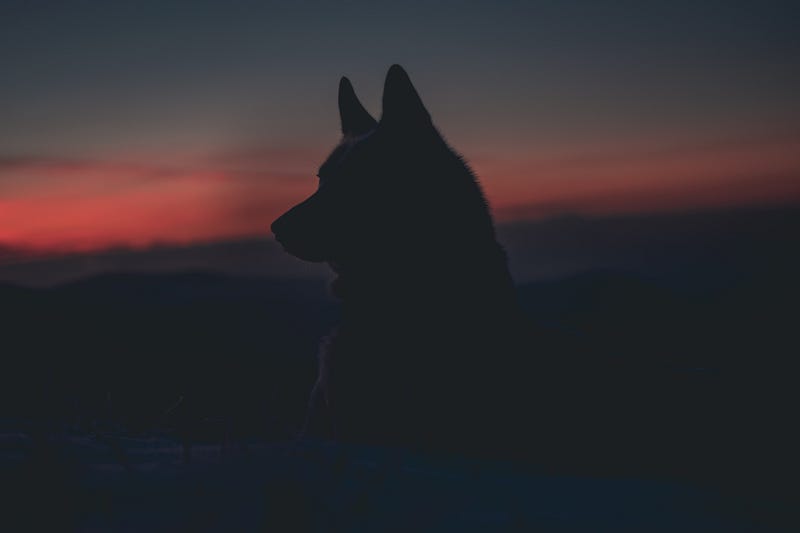
As a wolf chronotype, I generally feel super alert around sunset. (Photo by Marek Szturc on Unsplash)

A few weekends ago, I drove to Luray, VA with some of my best friends to celebrate a bachelor party in a cabin in the Shenandoah Valley.

We planned to relax, raft, grill, and play poker. After a late night, I wanted to have energy for the next day, so I wanted to sleep in. Like 12:00PM late.

My friends decidedly, did not.

When my friends woke me up at 10:00AM, as I was the last one sleeping, I begrudgingly got up with two weights weighing down my eyelids. Apparently there was the urgent matter of cold breakfast for me to eat.

My friends looking at me sideways for being so tired, I experienced a familiar frustration: I perceived their early-morning energy as rushing me, and they perceived my late-morning sleeping as lazy and boring.

My entire life I have needed 9 or more hours of sleep to feel rested. That is hard when my body will not let me sleep before midnight.

For someone good at math, the math has always been blindingly simple — lying in bed awake from 10PM — 12AM does not count, and sleeping 12AM-7AM is not enough sleep. So I either need to use a sleep aid like sugar, benadryl, or melatonin, or just be satisfied with sleepiness.

My previous work as a physical therapist often required me to start my shifts at 7AM or 8AM, because “those are your assigned hours.”

My current work as a technical writer never requires me to be up before 10AM, and I find that I am hugely productive and super positive throughout the day, often working successfully until 10PM or later with less effort.

Am I lazy and just too stubborn to admit it? Trust me, the thought has crossed my mind, frequently resulting in self-shame.

But, according to Dr. Michael Breus, renowned sleep expert and author The Power of When, each of us has a unique wiring (a “sleep chronotype”) that determines what are our most energetic times of day.

Dr. Breus explains that there are four sleep chronotypes. Let’s briefly review them before we decide to dictate when someone else “should” wake up.

10% of people are dolphins (Photo by Fabrizio Frigeni on Unsplash)

Dolphins are light sleepers often diagnosed (or self-diagnosed) with insomnia.

My wife is a dolphin and frequently has racing thoughts that keep her up.

Turns out, that is just her chronotype —light sleep is the type of sleep that her body naturally leans towards.
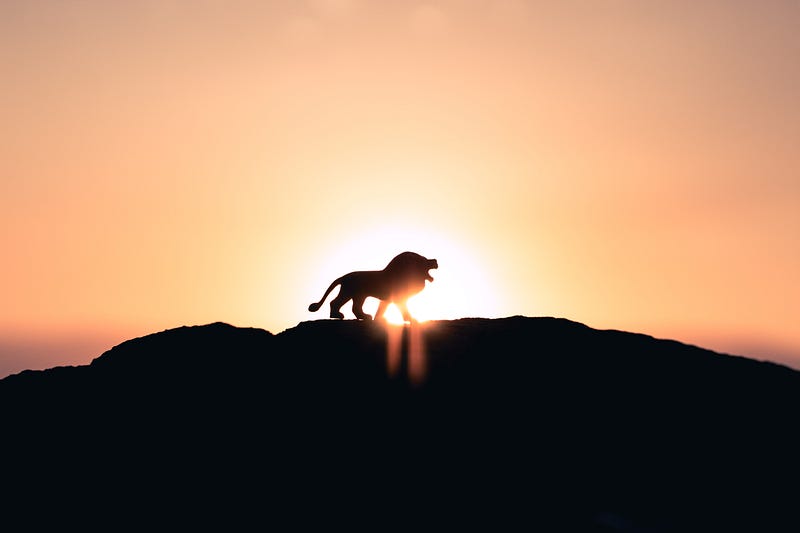
15%-20% of people are lions (Photo by Ivan Diaz on Unsplash)

Lions tend to wake up early with lots of energy, but by evening they are exhausted.

These are your typical “larks” or morning people. The kind that gravitate to an hour-long run at sunrise because that is their time to unwind and relax.

Society generally rewards lions, but they can strain friendships.

55% of people are bears (Photo by Jessica Weiller on Unsplash)

Bears’ internal clocks follow the rise & fall of the sun, and they need a full 8 hours of sleep a night to feel rested.

They are by far the most common, and they are the reason why everyone knows there are “night owls” and “morning people”—they are different from everyone else, because they are not bears.
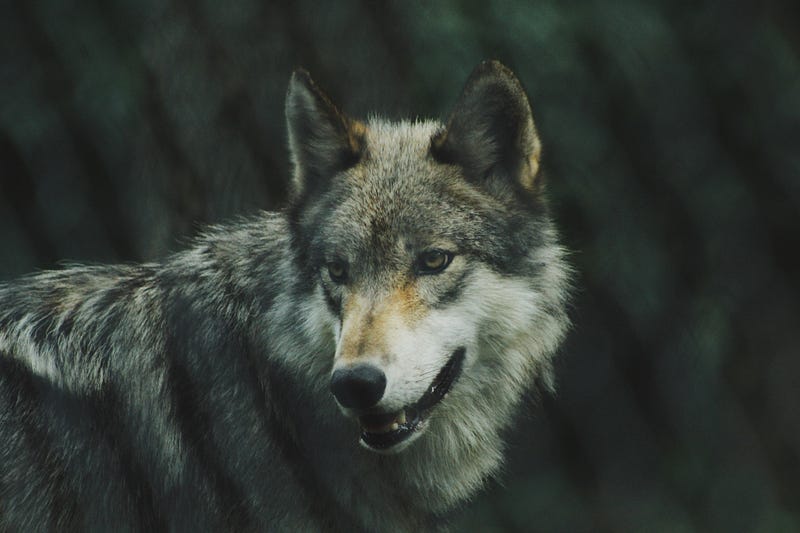
15%-20% of people are wolves (Photo by Michael LaRosa on Unsplash)

Wolves have a hard time waking up and are most energetic in the evenings.

Wolves typically have the most problem fitting in with modern society because most jobs do not reward late-night productivity.

Wolves are more common than you might think they are: 15–20% of people are wolves.

I have seen several articles about the productivity “benefits” of waking up early — and I can tell you that not everyone gets those benefits.

The more I stress myself to get up earlier, the less I smile, the less I learn, and the less I have any zest for life at all.

Does that really sound like a productivity self-hack?

As someone who’s woken up as late as possible since I was a kid, and become quite successful in spite of my chronotype, here is my story.

Being a “night owl” has negatively affected my personal and professional relationships my entire life.

Multiple former girlfriends have called me a “slacker” since my internal alarm clock wakes me up at noon.

Multiple workplaces have asked me to be “more positive” at 8AM and then told me that I have an attitude problem when I simply cannot.

Despite a high IQ, innate confidence, and genuine desire to succeed, I have repeatedly suffered failures from simply sleeping differently.

Modern society is based on the idea that you will be present and ready to work at the assigned AM hour, whether 7, 8, or 9.

“The Early Bird Gets The Worm” — right?

And we award early birds with “Perfect Attendance” awards in school. I may have graduated in the top 3% of my high school class and received the mathematics medal, but I never had perfect attendance.

My last interview for a “night shift” physical therapist was for a 10–7 slot with an unpaid lunch. I counter-offered for a 12–8 slot without an unpaid lunch and was promptly rejected by the employer.

Despite the obvious fact that working professionals generally prefer to come in after work for physical therapy, morning chronotypes dictate schedule.

My solution is to play to my strengths. When I work a position requiring me to be awake and alert too early for my body, I forgive myself for being less productive than I would be in the afternoon. Also, I will use multiple natural strategies to force myself to bed earlier.

I no longer pretend that I am going to get up earlier to work, walk, read, meditate, or workout. I realize now that those 60 productive minutes in the morning will be weighed out by my huge drop in productivity all day long.

I am actively screening new job opportunities based on schedule and location. Since tired drivers are as dangerous as drunk drivers according to the National Sleep Foundation, I do not want to be commuting for half an hour early in the morning when I have no chance of being fully alert.

Now, if I have to be up early on weekdays, I do not let my sleep schedule change on weekends. I find it much easier to live outside of my natural rhythm for a little bit when if I force myself to be super consistent.

Finally, I’ve tamed my relationship with caffeine — I no longer act like I can just use increasing amounts of coffee to manage my sleepiness, because I found doing so only exacerbated my irritability when I am overly tired.

Not sure which chronotype you are? Take Dr. Breus’s quiz free online.

About the author

I’m a Wolf Chronotype, so I have no “internal alarm clock” that will wake “me up at 5:30 a.m.” In fact, I have severe insomnia trying to go to bed around 9 or 10 PM. Forcing myself to get up early leads to severe depression as my body fails to cope with chronic sleep deprivation. A few days of sleeping on my own internal clock, and my anxiety and depression resolve. Follow my blog on Medium to read about my career change in search of a remote job that will let me work hours that fit my sleep schedule.
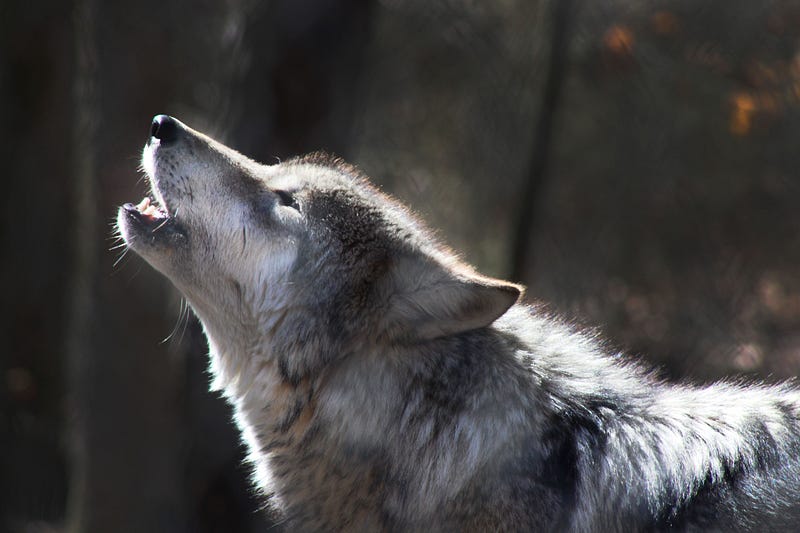
Wolves unite! (Photo by Michael Mazzone on Unsplash)

Dr. Derek Austin is the author of Career Programming: How You Can Become a Successful 6-Figure Programmer in 6 Months, now available on Amazon.

Life Lessons
Self Improvement
Personal Development
Personal Growth
Productivity
Recommended from ReadMedium