The Art of the Villian
A look at our favorite villain stereotypes
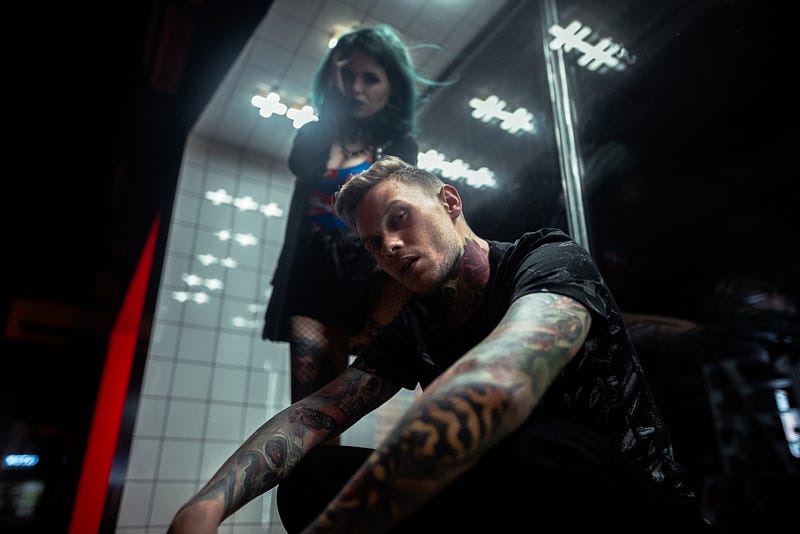
When you think villain, what exactly do you picture? Movies, Television, and Literature all have created different images of what a villain is supposed to look like. Villains are always doing horrible things to good people or doing things for what they perceive as the greater good.
Do villains have angry faces, multiple tattoos, and piercings? Or do they look like everyone else? What is the true definition of an evildoer?
According to Literature, there are four main types of Antagonists. There is the classic villain, the everyday antagonist, The Corrupt organization, and of course the Internal Antagonist.
The Classic Villian
Specifically in film and TV, and occasionally in novels, there are always the classic Saturday morning cartoon villains. These are the villains that showcase the very best of the Good vs. Evil archetype.
These heroes and villains show us the never-ending battle of good vs evil. Light against dark.
These stories have villains that are irredeemably immoral, any sad backstory or humanizing attributes that they possess only serve to further make them more horrible with how they act or the attitude they have.
These villains are everywhere in the fictional world. Lord Voldemort from The Harry Potter series, Emperor Palpatine from Star Wars, Lex Luthor from Superman, are all great examples of pure evil vs the greater good.
The Everyday Antagonist
These antagonists are characters who the main protagonists see every day. They are generally flawed characters who serve as an obstacle to the protagonists.
Their actions may be cruel or rude but at the forefront, they are still human. They literally exist in the story or plot to provide conflict in the journey of the main character.
Characters like Severus Snape, or the Lannisters from Game of Thrones. Or in the tv show the Flash, Harrison Wells is generally the everyday antagonist. An ironic one, because he is usually on their side, while also being mysteriously vague.
The Corrupt Organization
Generally more often seen in the YA novels of this era, and some interesting science fiction films and TV series, the Corrupt Organization serves as a group being the villain. The best example of this is in the Hunger Games, the Capitol was a corrupt government that was causing all kinds of trouble for the protagonist.
This group typically has immoral intentions and operates similarly to the classic villain. In many stories, the corrupt organization serves as an antagonistic force rather than a specific character.
Like Hunger Games, the VFD from A series of Unfortunate Events is also an example of a corrupt organization getting in the way of the protagonists.
The Internal Antagonist
This particular antagonist is not an outside force but something that’s a part of you. Sometimes the biggest conflict in a protagonist is themselves. People are their own worst enemy.
Self-doubt can cripple a person, especially if the story is specifically character-driven.
These stories generally have more internal struggles. This is where doubt, fear, flaw, or a false belief play a role as the enemy in stories. The biggest example of these would be Elizabeth’s Prejudice in Pride and Prejudice, and Landon’s Pride in A Walk to Remember.
Of course, these aren’t the only four antagonists that exist. Within fiction, there are also antagonists that take the form of Nature, Technology, The Supernatural, and sometimes even a physical condition. It isn’t always obvious who or what the villain is in stories. While they could be as easily seen as Good VS Evil or as hard to see as an internal conflict.
Any conflict can be created by outward and inward forces. Internal and External forces surround everyone, sometimes they can conflict with a character while at other times it can give them even bigger depths.