
The Art of Telling Short Stories
5 ways to make your story stand out from the crowd
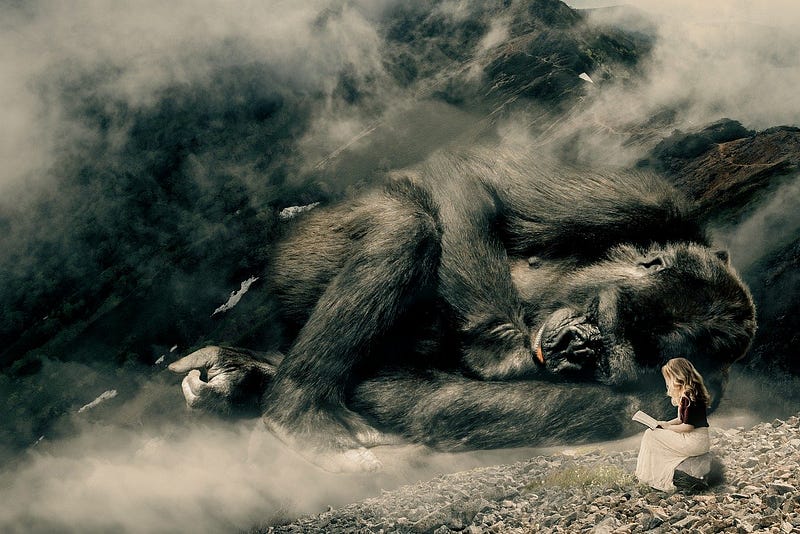
There is nothing worse than reading a boring story. At no point should the reader be yawning or nodding off as you chaperone them through your tale. Short stories should serve as a starter, main course, and dessert all rolled into one delicious mouthful. This helping should more than satisfy your reader, without them needing to ask the waiter to see the menu again.
No one wants to sit and listen to someone drone on about the same topic, repeating themselves and regurgitating pages of the dictionary they swallowed the night before. If talking for the sake of talking doesn’t excite people in real life, why would it work in a fictional world?
The art of storytelling does not require a set amount of words sitting in the processing count box. This concept of ‘more words equals success’ is the wrong mindset to have when writing your story. The word count should mean very little in your quest to captivate your reader’s attention.
When writing a novel, you have the time to build your concept and lure the reader in slowly. In short story writing, you don’t have that luxury. For those who want to use a page to describe why Jerry’s aunties, sisters, best mates dog is always pissing on the carpet, then maybe this medium is not for you.
In this article, I will give you five tips for making your short stories stand out from the crowd.
The power of flash-fiction
The most creative writers are those who can create a world in a few sentences. This genre of writing should be your first port of call if you want to improve as a writer. Read stories of under 100 words and see how the writer is capable of wooing you in a matter of seconds. Practising this method of storytelling will serve you well in the future and improve your writing without forking out money for online Masterclasses.
“For sale: baby shoes, never worn.”
— Ernest Hemingway
Choose your words wisely
A good way of making sure your sentences are not over descriptive is to write as though they might be your last. Don’t over complicate your sentences. Try to get your message across in the fewest words possible. Using artistic and flowery expressions continually is only going to make your tale feel bloated and slow. Styles and ways of telling your story will differ depending on the author, but your goals should always be the same. Your aim is to charm your reader and deliver a story that will leave them awestruck.
“Show my head to the people — it is worth seeing.”
— Dean Middleburgh, The Phantom Pen
Keep the story flowing
The yarn you spin should flow effortlessly from one scene to the next without any sudden disruption. Every sentence must serve two purposes. First, it must remain independent of other sentences, meaning that it has earned its right to be there on the page. The second is that it must also act as a bridge to the next section of your story. If the tale wobbles after removing a sentence it deserves to stay, if it doesn’t serve a purpose, then think about removing it entirely from your story.
It has been such a long time since we last spoke — I dare to think how many years have passed since you last reached out to me. If I were to hazard a guess, it must be at least a decade or so since we last met with one another.
“Three thousand, three hundred, and fifty-three days have passed since you abandoned me — not that anyone’s counting.”
— Dean Middleburgh, Deary Me
Words don’t bleed
Writers have a love for words, especially their own. I can hold my hands up and say I have been guilty of this in the past. There might be a sentence or a paragraph that I felt was so powerful and moving that no one would dare remove it from my story. This sentiment will hold you back. There should be no sentence, no paragraph that is somehow exempt from scrutiny. Don’t feel scared or nervous about cutting words out of your story if they bring nothing to the table. When you edit your work, sharpen your knife and feel free to trim away those excess words.
Be bold, be experimental
Writing short stories is the best place to try out an idea or develop your own voice. It is the perfect opportunity to try different concepts and experiment with a range of techniques to make your story stands out from the rest. Some might work, others are likely to be sent to the virtual recycling bin on your desktop. It doesn’t matter. Readers are far more likely to read a short story than a 400-page novel.
Final thoughts
Short stories are magical. In a fast-paced world where people are busy and occupied with life, short stories are a fantastic escape for many readers. Remember, your aim is to free them of their thoughts and burdens. The reader seeks entertainment; it is your job as a writer to tell them a story they will never forget.
Dean Middleburgh is a writer that has had the good fortune to write for P.S. I love you, The Junction, Invisible Illness, ILLUMINATION, The New North and Storymaker. Please feel free to read my short stories here: