
The Art of Slowing Down
Turning patience into a form of creative action
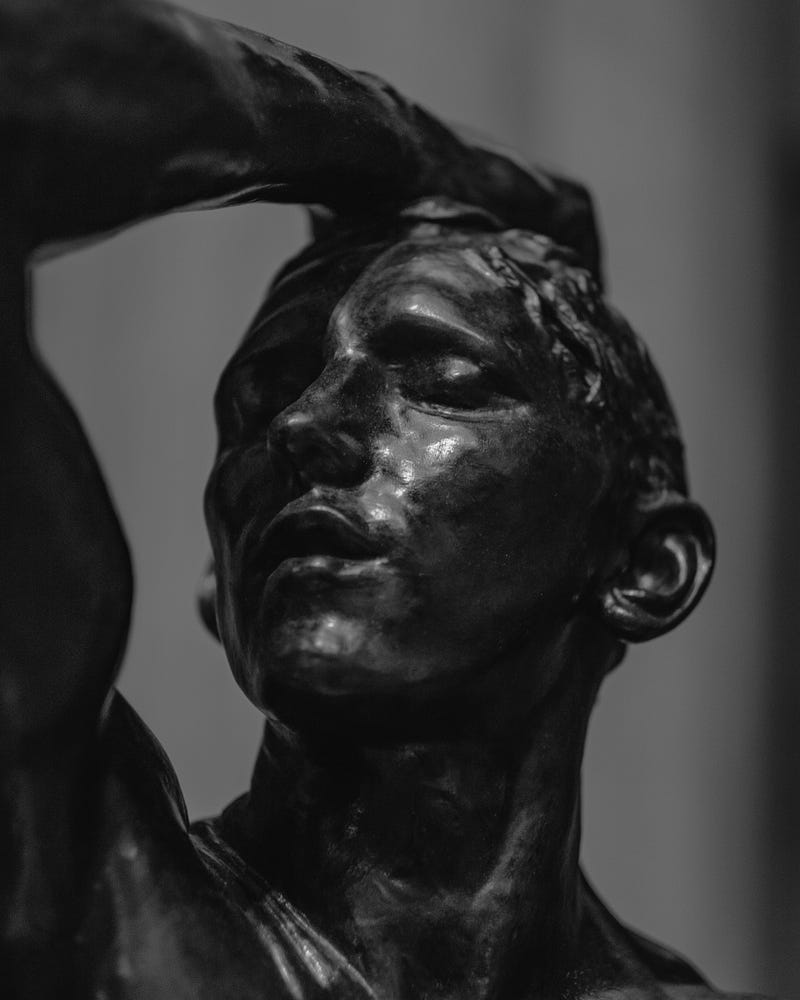
Is creativity a fast or slow process? According to the idiom, ideas strike, just like lightning. And when I think of some of the great artists from history and today, it seems that speed is sometimes essential.
When Jackson Pollock prowled around his canvas, dripping paint from a pot, he did so in a spirit of headlong spontaneity. It couldn’t have been possible otherwise. If paint is going to be sloshed, flicked and splattered, it has to be done with an assertive, insistent hand.
Likewise, when Jack Kerouac typed furiously on a single, unbroken ream of paper 120-feet long, the resulting On the Road was a stream-of-consciousness eruption.
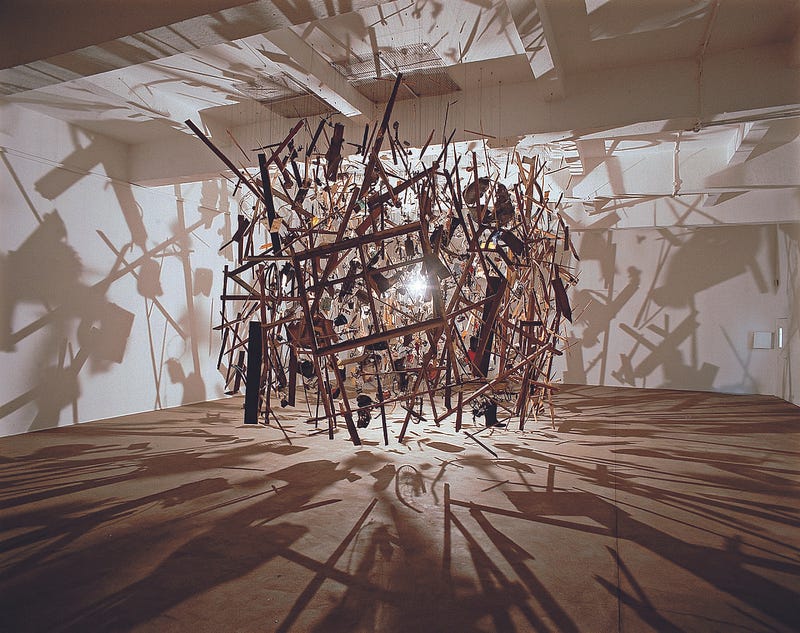
Sometimes the explosion can be literal: in the early 1990s, the conceptual artist Cornelia Parker asked the British Army to blow up a humble garden shed, which she then partially restored by hanging the remains from an art gallery ceiling, as if the suspended space occurred a fraction of a second after detonation. In a sense, the artwork, Cold Dark Matter: An Exploded View, took less than a second to make — followed by hours and hours of delicate reconstruction.
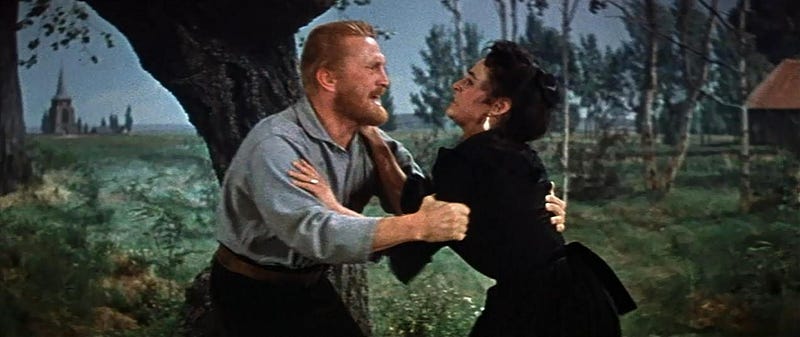
In popular culture, movie depictions of artists tend to reinforce the idea that artists work with mad-capped speed at the mercy of their impulses. One can think of Kirk Douglas as Vincent Van Gogh roaming the Provence countryside in Lust for Life (1956), swept up by attacks of creative energy.
Slow Has its Place…
But not all films about artists are so frenzied.
A recent biopic of the artist Alberto Giacometti, The Final Portrait (2017), with Geoffrey Rush in the lead role, takes a much more sedate pace. Most of the film is about creative patience in its various forms: waiting, discarding, over-painting, re-modelling, hesitating, starting again, pondering, eating, drinking, beginning new work, returning to old work, and all the other labyrinthine ways by which art gets made.
And it’s this under-appreciated aspect of art-making that I want to honour here.
I recently learned about the British sculptor David Nash, who began his sculpture Ash Dome 45 years ago. The work involves a circle of ash trees, shaped into a visually striking dome as they grow. Beginning in 1977, Nash has said he wanted to make something that worked over time, “a long-term commitment, an act of faith”.
This unsung method of working seems like an insightful way of looking at the creative process, and one worth celebrating. It’s a tribute to embracing a slower practice, a deliberate departure from the hurried rush towards completion.
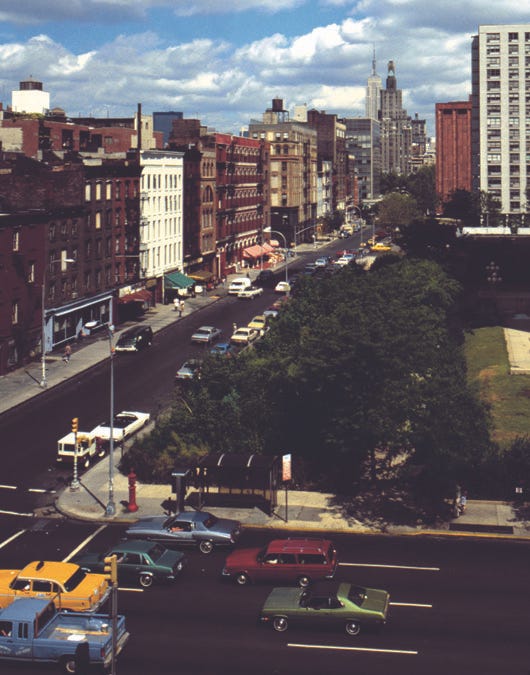
The New York artist Alan Sonfist has been doing something along the same lines as Nash with his work Time Landscape: since 1965, Sonfist has been creating a small forest in the middle of New York’s Manhattan, bringing back native trees to the city that were all but eradicated by centuries of development.
Form of Action
Art presents plenty of examples of “decelerated” artistic practices.
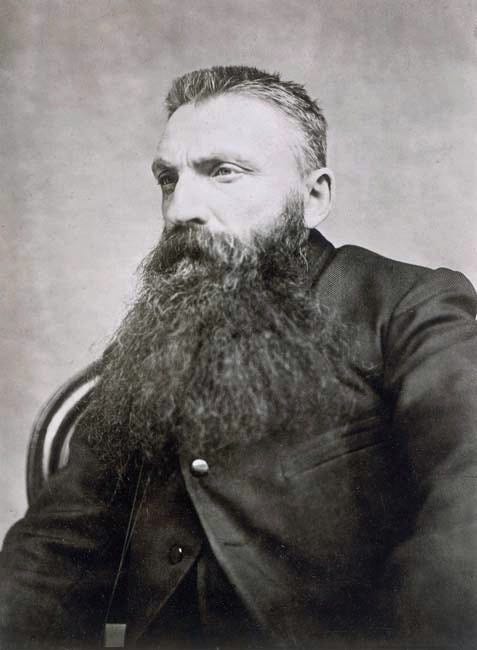
One artist who took his time was the sculptor Auguste Rodin, who can be credited with one of my favourite art quotes:
“Patience is also a form of action.”
I like the sentiment because it defies expectations. We are so accustomed to the idea of action being about effort and exertion that it might appear as something of a paradox to imagine that patience might also be a source of productivity.
What Rodin surely had in mind was to do with the creative benefits of letting the passage of time do some of the work. Allow minutes and hours to pass, and the flash of an idea you’re hunting for will come.
I am reminded of the contemporary painter Peter Doig who, when asked in a recent interview how long his paintings take him, replied that the actual application of paint to canvas might take just a few weeks, but the time spent in between, of looking and contemplating, could amount to a decade.
Rodin himself worked on his The Gates of Hell sculpture for 37 years. Rodin won the commission in 1880: to create a set of bronze doors for a new building to house the Musée des Arts Décoratifs in Paris.
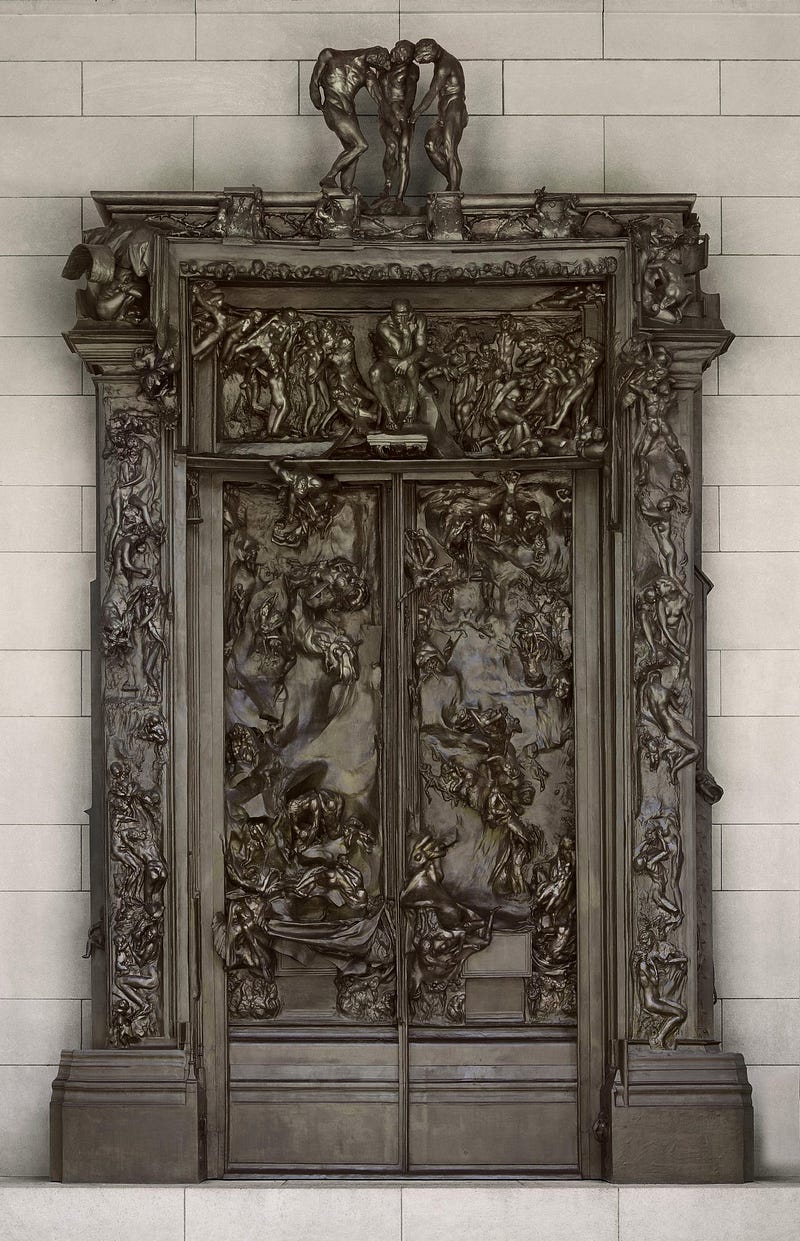
Unfortunately, the museum was never built and The Gates of Hell was never cast during Rodin’s lifetime. Still, this didn’t stop Rodin from working on the sculpture for the rest of his life, continually adding, removing and altering elements of the immense sculpture.
I like the idea of artworks that take time — and of artists who permit time to pass as they work. This is surely what the painter Paul Klee had in mind when he asked:
“Is a picture made in a single moment? No, it is built up piece-by-piece, just like a house. And the spectator — is his looking done in a single moment?”
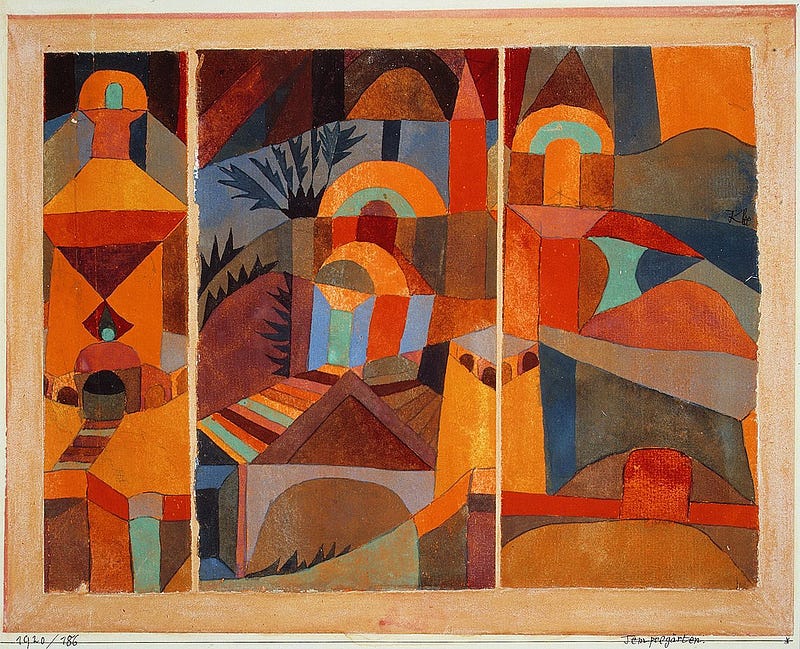
As Klee suggests, steady accumulation over time seems to be the way that many artists work.
In this way, the full formation of a creative idea from its inception to execution has far less kinship with a lightning bolt or an explosion, and far more with a snow drift.
Deliberate Slowness
Here’s an example from my own creative practice.
When I write I prefer to write in notebooks first. It is, almost by definition, a slower way of working compared to typing on a computer. Not only is my handwriting a bit of a scrawl (to be deciphered later), my pages also get congested with all manner of marginalia: crossings-out, insertions, boxes, arrows, asterisks and lists.
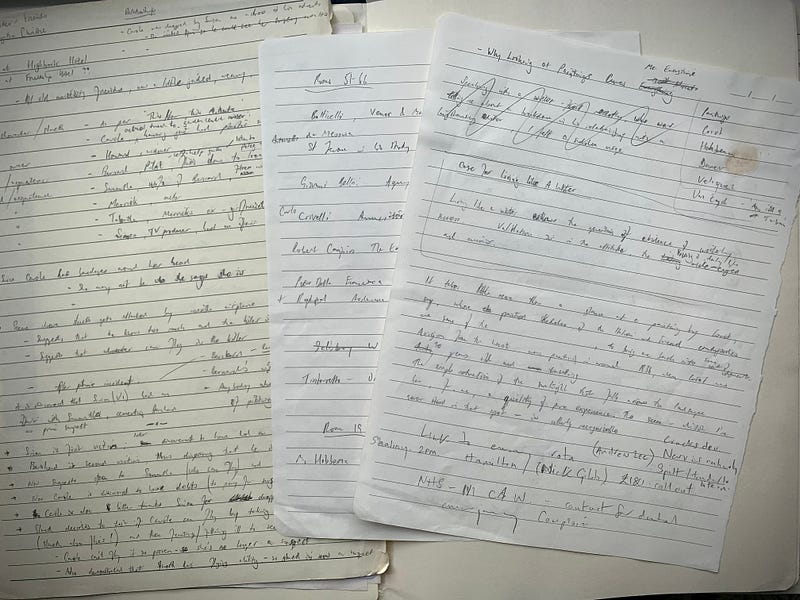
Part of the advantage is in the pace of my long-hand writing, which seems to synchronise well with the rhythm of my thoughts. Just as I’m completing the end of one word or sentence, my imagination is just on the beat to supply the next. One word after another, like footsteps when walking.
Then, when it comes to typing up the words into a more legible form, the work of editing begins — which is probably my favourite part of writing. As I transcribe, the creative effort takes the form of a steady sifting and ironing of ideas. In all these ways, by deliberately slowing down my writing, I tend to arrive at better outcomes.
That doesn’t mean that creative work has to take months. It can sometimes happen in minutes. But if it doesn’t, I have confidence in the power of prolonging to bring good results.
Final Thoughts
Working slowly is ultimately about reaping the benefits from the creative process rather than from its result, where the rush to reach the culmination takes a backseat.
This thought puts me in mind of a piece of music that’s playing right now — this very minute — which is due to last more than 600 years.
Written by the composer John Cage, he gave the piece the title Organ²/ASLSP (As Slow as Possible). The second part of the title — “As Slow as Possible” — is important. It gives an instruction to the performer to take their time.
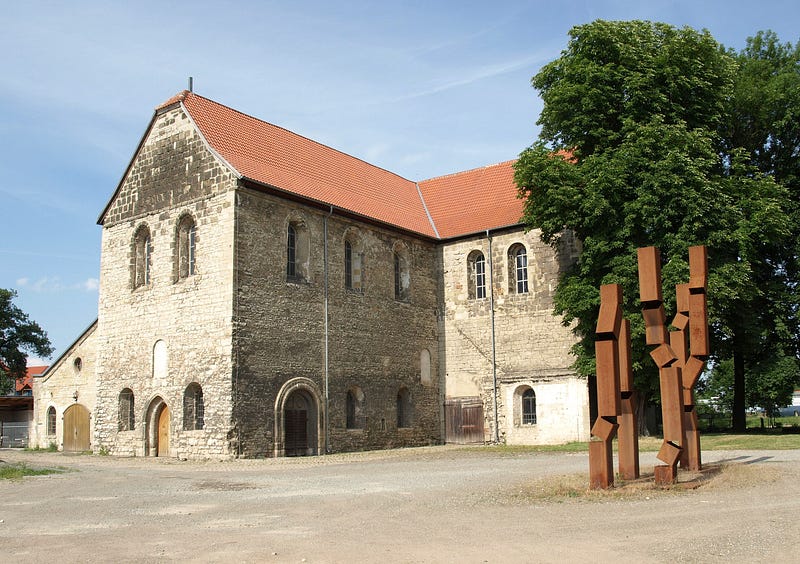
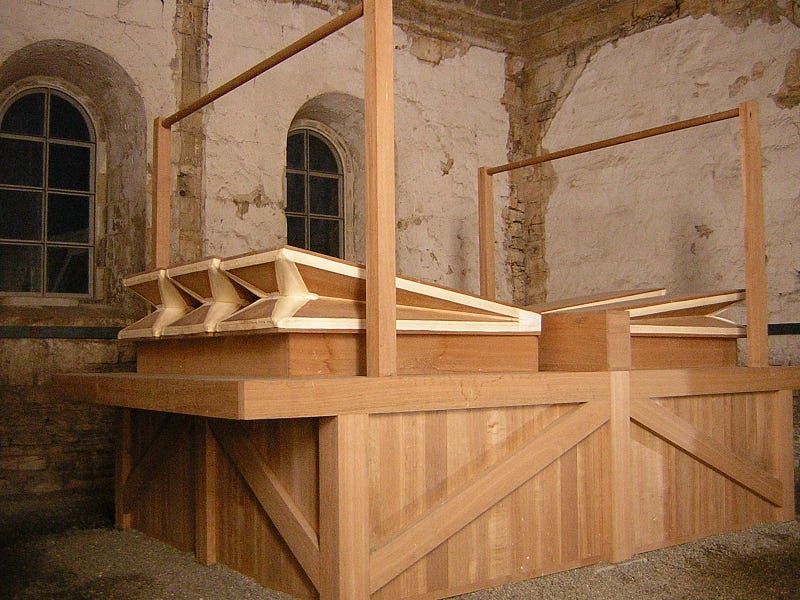
An interpretation of this piece is currently playing at St. Burchardi church in the town of Halberstadt, Germany. This recital began in 2001 and is scheduled to have a duration of 639 years, ending in 2640.
How is this possible? To execute the music, a purpose-built pipe organ with automated bellows has been engineered. The notes of the piece resound day and night and last for several years each. The most recent note change took place on February 5, 2022, a chord that will last more than two years until the next change, due on February 5, 2024.
One day I’d like to visit Halberstadt and hear the music played there. If I do, I will recollect that nobody alive today — nor any of their great grandchildren — will hear the conclusion to the piece.
I think the work is a poignant metaphor for all the things that outlast the normal span of human affairs. In a world fixated on speed, it stands as a tribute to the art of gradual creation, a testament to surpassing the constraints of hastiness, and fostering fresh ideas by deliberately prolonging the creative process.

If you liked this, you may also be interested in my book How to Read Paintings, an examination of fifteen of art’s most enthralling images.
Would you like to get…
A free guide to the Essential Styles in Western Art History, plus updates and exclusive news about me and my writing? Download for free here.
Join me…
On Instagram for more great paintings on the go!


_trailer_1.jpg)


