
The Art of Saying No
"Put yourself at the top of your to-do list every single day." - Melinda Gates
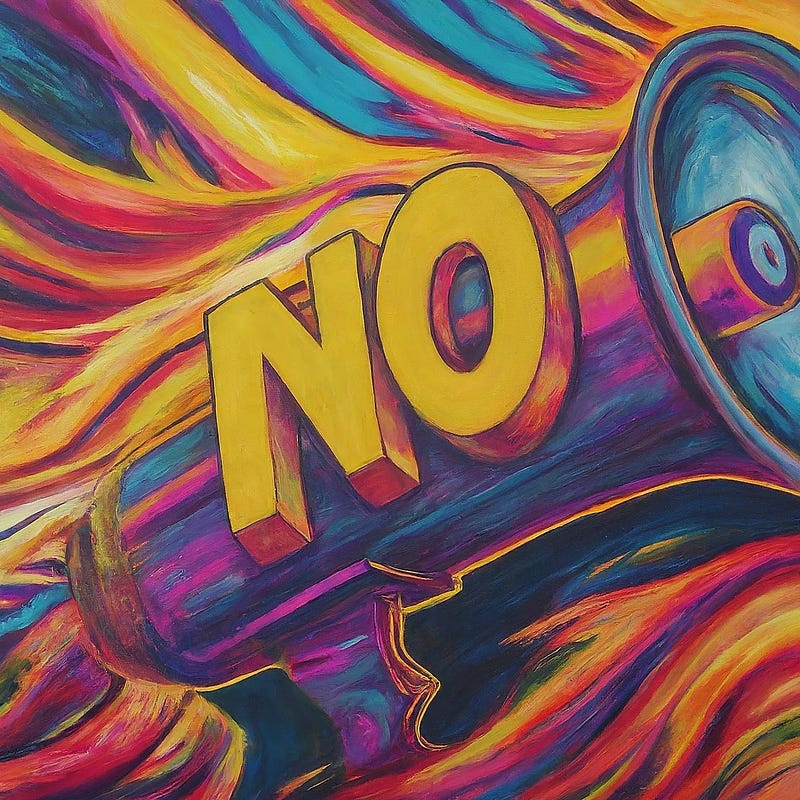
We simply can’t deny or say no to anyone but
Saying no is an important life skill that can help us live a more balanced and fulfilling life. It may seem easier to just say yes to everything, but this can lead to stress and burnout. By learning to say no, we can prioritize our time and energy for the things that are most important to us. here’s how,
Reduced Stress and Overwhelm:
- We all have limited time and energy. Saying yes to everything can leave us feeling stressed and overwhelmed. "The time to relax is when you don’t have time for it." - Soren Kierkegaard
- Learning to say no to things that don’t matter to us allows us to focus on what truly does. This can lead to less stress and a greater sense of control over our lives.
Prioritization and Goal Achievement:
That’s a great way to put it! Saying no helps you focus on your own dreams. By saying yes to everything, it’s easy to get sidetracked and forget what you’re really working towards.
"You can’t pour from an empty cup. Take care of yourself first." - Eleanor Brown
Improved Self-Esteem:
Saying no shows you respect yourself and your time. This can help you feel better about yourself overall.
"You can do anything you want in life if you just prioritize it." - Handlung (German proverb)
Stronger Relationships:
Constantly saying yes can actually hurt your relationships. By saying no more often, you’ll have more time and energy for the people who are truly important to you.
More Time for Self-Care:
Just like our phones need to recharge, we do too! By learning to say no to things that drain our energy, we can create time for relaxation and activities that make us feel good. This will help us feel less stressed and more in control of our lives.
"Self-care is not self-indulgence, it is self-preservation." - Audre Lorde
Tips for Saying No Effectively:
- Be clear and concise: A simple "no, thank you" is enough.
- Offer an alternative suggestion if possible: Show willingness to help but within your boundaries.
- Express appreciation: Thank the person for thinking of you.
- Focus on "I" statements: Explain how the request doesn’t fit your current schedule or priorities.
- Don’t feel obligated to justify yourself: You don’t need to explain your reasons in detail. Learning to say no is an empowering skill that takes practice. By prioritizing your well-being and setting healthy boundaries, you’ll create space for a more fulfilling and balanced life.
Saying No To-Do List:
Identify your priorities:
Make a list of what matters most to you in life (work, family, health, hobbies). This will help you determine which requests to politely decline.
Practice saying no:
Role-play different scenarios where you might need to say no. Start with simple phrases like "I’m afraid I can’t" or "I’m stretched thin right now."
Offer alternatives:
If you can’t commit to something entirely, see if there’s a smaller way you can help.
Self-Care To-Do List:
Schedule relaxation time:
Block out time in your calendar for activities that recharge you, like reading, taking a bath, or spending time in nature.
Set boundaries:
Communicate your needs to others and politely decline requests that would infringe on your personal time.
Do something you enjoy each day:
Make time for activities that bring you joy, even if it’s just for a short while.