
The Art Of Relaxing
And why you should practice it more often
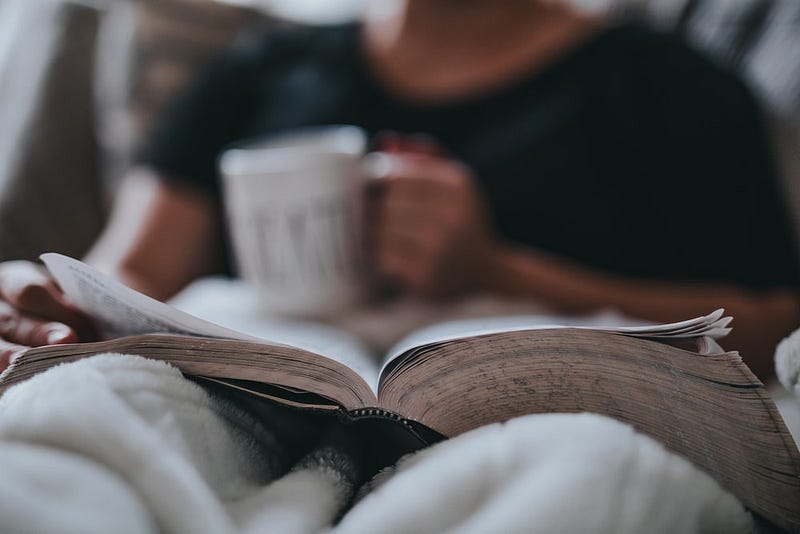
It has been the longest two years of our life. The one thing on most people’s minds is rest. We all need it. While it is simple to tell someone to “relax”, most of us still don’t know what counts as relaxing.
“Sometimes the most productive thing you can do is relax,” Mark Black
Relaxing occurs when the flow of blood increases around our body, giving us more energy. It helps us to achieve a calmer mind, which aids positive thinking and concentration. Relaxing also aids in digestion as we absorb essential nutrients more effectively.
There is a wide range of relaxation techniques, and some people seek help to learn how to relax.
- Meditation
Meditation is simple to start with. All you need to do is sit down, close your eyes and take deep breaths. Practice this in a quiet place with no distractions. Meditation is a skill. Regularly practicing meditation is the most effective. All you need is 10–15 minutes or whatever duration you choose.
2. Make a list
Make a list of what you’re grateful for. People say when we are stressed, we tend to focus on the negative parts of life. Try to think about three good things in your life and write them down. Gratitude books are available to keep you on track.
3. Connect with nature
Spending time in nature can improve memory, lower stress hormones, and reduce feelings of depression or anxiety. Being in nature can reduce anxiety, dear, and stress while also increasing pleasant feelings. Exposure to nature not only makes you feel better emotionally but also contributes to your physical wellbeing and reduces blood pressure. When we witness nature, we respite for our overactive mind helping us refresh our brain for new tasks.
4. Phone a friend
Being in isolation for the past two years has been detrimental to our mental health. We are social creatures and suddenly we were told not to socialize for the good of humanity. Support from friends is important to help analyze feelings and ideas. Talking to a friend can immediately help alleviate any sadness or worry in your mind. Talking about your problems can release pent-up feelings. Talking to a friend about the situation you are going through may help you find a solution to the problem.
4. Exercise
Exercise has many benefits. It stimulates chemicals that improve your mood and help you feel better. If you exercise regularly, you can reduce any built-up stress, depression, and anxiety. It can also improve your sleep. Exercising helps you think clearer while also improving your memory.
Relaxing has so many benefits for your physical and mental health. While we are living in these turbulent times, we need to proactively take steps to relax. If we remain in this constant state of fear and stress, it will only impact us and those around us. Take care of yourself, because if you don’t, who will?
Like this story? You can become a Medium member by clicking here. You get unlimited access to my writing, as well as that of countless other talented writers. I get a small commission if you use my link (at no extra cost to you).


