
The Art of Emotional Wintering
There are gaps in the mesh of the everyday world
We were watching TV in the living room when it happened.
Dad lurched forward in his reading chair. He was perspired and a little out of breath. My mother looked at him from the couch and said, “John, are you alright?”
“I think it’s my heart,” he said.
It was a flurry of activity after that. Dad tried to stand up, and my mother asked me to help guide him to the couch. Then she ran to the kitchen phone and dialed 9–1–1.
I was 13 years old and scared to death. Dad looked up at me from the couch and said, “Keep a stiff upper lip, Johnny.” Typical Dad, always stoic.
Paramedics arrived quickly, despite our home being tucked away in the mountains. The street we lived on was “Hidden Drive.”
Later, at the hospital, there were tense conversations as my father laid out worst-case instructions for my mother. “Cremation and an inexpensive urn,” he said. “Don’t let them talk you into pricey caskets. Sell the Lincoln and get an affordable car.”
Watching a beloved parent dance with death leaves an impression. Nothing is certain in life.
Anything can happen.
Those who have endured, feared, are striving, and are living
Dad’s heart attack was a wake-up call. He was a Type A personality. Driven. Sometimes impatient.
As an administrative law judge, Dad handled stressful, multimillion-dollar cases. They required deep research and a deft hand in managing political interests and boisterous parties.
Our prayers were answered and Dad survived. His heart attack may have taught me about the fragility of life, but his recovery taught me volumes about our capacity to grow and change.
At six feet tall and over 200 pounds, Dad was a formidable man. He had big arms and strong hands. So, it was hard to witness the changes happening in him.
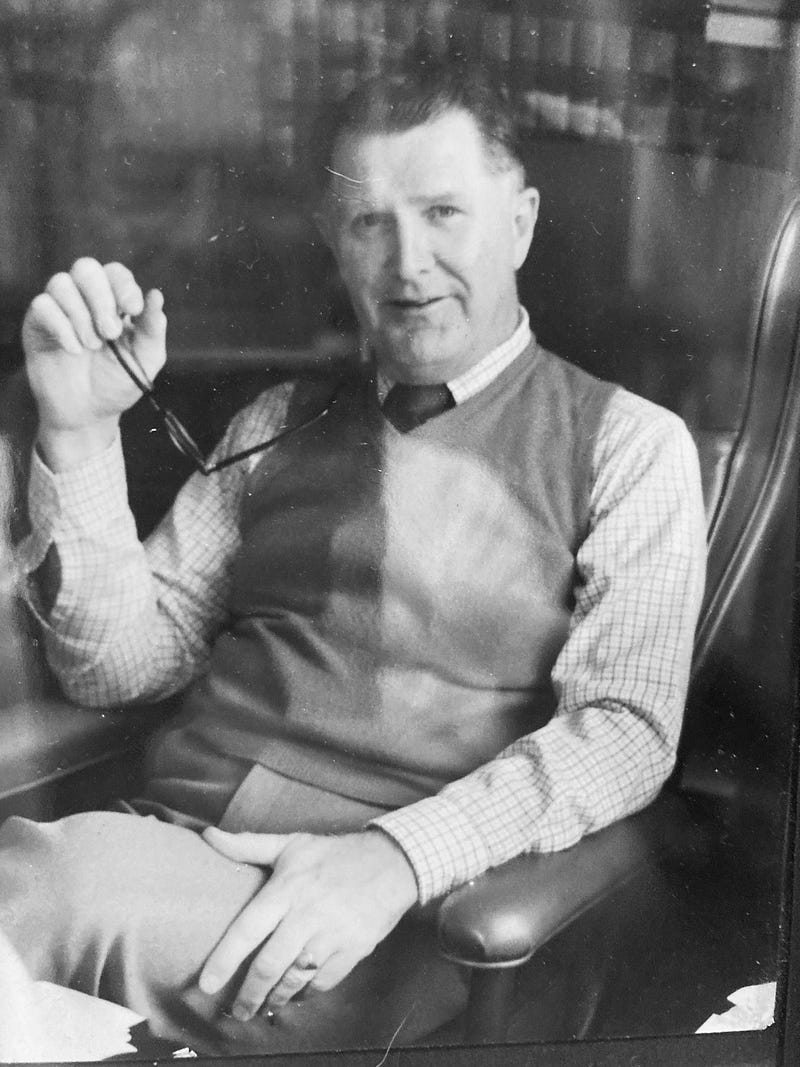
His recovery involved a severely modified diet. Cherished chocolate bars were replaced with radishes. No more sausages and burgers. At first, the dietary changes made him grumpy. But as he began to feel better, he adapted.
Dad’s recovery included daily walking, and soon he was traversing the hills behind our home. He lost significant weight, and his thin physique looked foreign to me. But I could see he was healthier.
Most importantly, Dad’s doctor enrolled him in a new behavior modification program for “Type A” personalities.
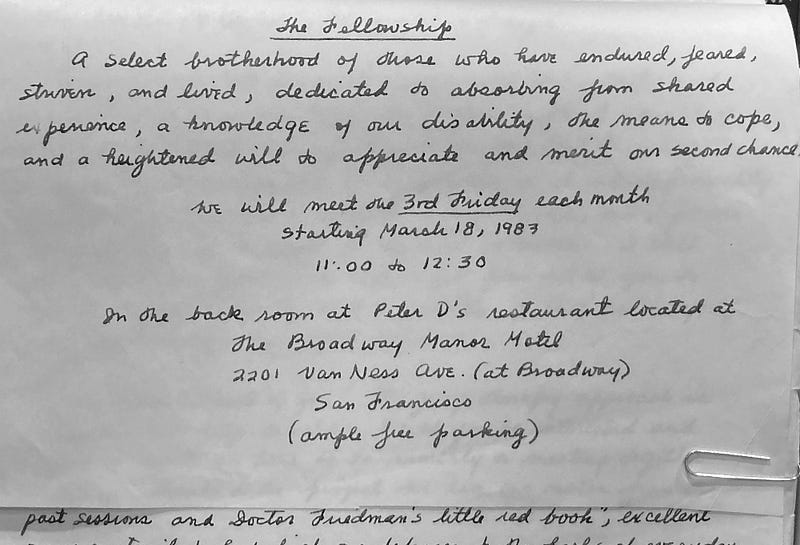
After when Dad returned to work, he continued to attend “Type A” meetings, and eventually chaired the meetings. He wrote weekly, handwritten letters of encouragement to the group’s participants. They often contained the following, elegant preamble:
“The Fellowship, a select brotherhood of those who have endured, feared, striven, and lived, dedicated to absorbing from shared experience, a knowledge of our disability, the means to cope, and a heightened will to appreciate and merit our second chance.”
The positive changes in my father were significant. He spent more time sitting on the patio with his cats, brushing them and scattering treats to their delighted purrs. He became more reflective, savored meals, and listened intently.
It was a complete transformation.
Dad’s heart attack forced him into an emotional wintering. His months of recuperation were like a protective cocoon, providing the time and space needed to heal and emerge stronger.
Seasons when the leaves fall from us
Sooner or later in life, we will face unwanted challenges. Whether a health crisis or unexpected career change, we may suddenly find ourselves in a period or season of emotional wintering.
Author Katherine May explores all of this in her beautiful book “Wintering: The Power of Rest and Retreat in Difficult Times.”
May’s book explores her husband’s illness, her son quitting school, and her own medical challenges. She learned how to endure difficult times, and embrace the opportunities they offered.
“We have seasons when we flourish and seasons when the leaves fall from us, revealing our bare bones. Given time, they grow again.”-Katherine May, Wintering: The Power of Rest and Retreat in Difficult Times
Reading May’s book called up all the memories of my father’s heart attack and recovery, as well as my wife’s journey last year with breast cancer.
The book even unearthed memories of my childhood, and the times I was home sick from school.
There are gaps in the mesh of the everyday world
As a boy, I was prone to respiratory illnesses like bronchitis.
I had to repeat the second grade because of a prolonged illness. It was my first emotional wintering. Yet despite the worry of missing school, being home sick was not entirely unpleasant.
I remember spending the days drawing, watching acrobatic squirrels in the oak trees outside my bedroom window, and sleeping comfortably for long stretches. My mother cared for me tenderly, bringing my favorite meals of soft-boiled eggs, toast, and apple juice.
No one wants to fall ill or face a life-changing circumstance, but the time we spend in these emotional winters can change us for the better. We can emerge with a deeper appreciation for our health or a refined view of what we want our future to look like.
Sometimes illness and adversity can teach us things about ourselves.
“There are gaps in the mesh of the everyday world, and sometimes they open up and you fall through them into somewhere else. Somewhere else runs at a different pace to the here and now, where everyone else carries on. Somewhere else is where ghosts live, concealed from view and only glimpsed by people in the real world. Somewhere else exists at a delay, so that you can’t quite keep pace. Perhaps I was already teetering on the brink of somewhere else anyway; but now I fell through, as simply and discreetly as dust sifting between the floorboards. I was surprised to find that I felt at home there. Winter had begun.”-Katherine May, Wintering: The Power of Rest and Retreat in Difficult Times.”
Winter is not the death of the life cycle, but its crucible
The art of emotional wintering is about accepting these times in our lives when we will fall through the cracks. It’s about taking advantage of rest and retreat to heal, grow, and discover new things about ourselves.
My father’s heart attack was a wake-up call. Removed from the frenetic pace of work-life, his recuperation and emotional wintering provided the time and space to rest, reflect, heal, and change.
He emerged a better man. More patient. More attuned to the things that mattered most, like his health and family.
“Winter is not the death of the life cycle, but its crucible.”-Katherine May, Wintering: The Power of Rest and Retreat in Difficult Times
I went through my own crucible in the second grade. All that time at home, recovering from illness, made me yearn for school again. When I finally returned, I brought with me a deeper appreciation and focus on my studies.
You will go through your own crucibles and times of emotional wintering. They’re seldom wanted and often inconvenient.
Just remember that the art of emotional wintering involves acceptance and willingness to reflect. Time will slow down, and during this dreamlike season, you may feel adrift. But it will pass.
Be patient. Take each day as it comes. Focus on the long view.
When we greet the winter and let it in, we realize that healing and recovery take time. But they also instruct.
The sun will shine again, and we can emerge stronger, wiser, and filled with an emotional peace. It’s a kind of peace that will carry us into spring, summer, and across the golden landscape of our future.
(Originally published at JohnPWeiss.com)
Before you go
I’m John P. Weiss. I draw cartoons and write elegant essays about life. To follow along, check out my Saturday Letter here.


