
The Arguments For And Against Vegetarianism
Vegetarians may find it difficult to get some key vitamins and minerals from their diet.
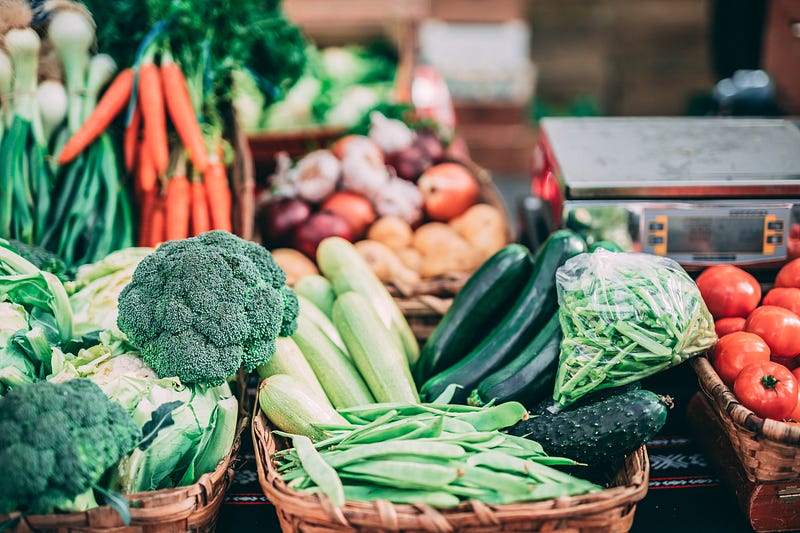
Vegetarianism, according to a dictionary is the practice of abstaining from eating meat, poultry or fish, and other seafood, indeed any type of flesh, especially for moral, religion and health reason.
Those who abstain from by-products of any kind of animals, dairy, eggs, including honey are termed, VEGANS.
Over the past years, we see more people turn to various types of diet with increase information on nutrition and health. Vegetarianism is one of them. In the past five years, the percentage of vegetarians in the United Kingdom has risen to seven per cent of the population, which is about six hundred thousand individuals.
What Drives People To Be Vegetarian?
As mentioned above, most become vegetarian for a moral reason. They are appalled by the treatment of animals at the hands of handlers. Others believe that all forms of killing are cruel, and human and animals have a basic right to life.
I personally believe that plants too are living entitiy, and do have a life too
With an increase in high tech farming, more and more antibiotics and other chemicals are being used in animal husbandry. These unhealthy by-products find their way on the food chain, and eventually on our plates.
The Protein Problem
The major diet of vegetarians consists of complex carbohydrates (from grains, nuts, pulses and legumes), and nutrients from fruits and vegetables. Some will add dairy and eggs, so fair enough, but definitely not vegans. So the question of deficiency in proteins arises for vegetarians.
The body derives amino acids from the protein we eat. Amino acids are organic molecules in our foods. They are twenty in all and can be derived from both plants and animal proteins. Nine are particularly essential, (TERMED COMPLETE PROTEIN) which have an important part to play in maintaining a healthy body. Together they are needed for producing haemoglobin, which is responsible for feeding our cells with oxygen. Oxygen is important in the blood to carry nutrients to various cells in the body. They are essential for skin growth, wound healing, protecting the immune systems and other key body functions.
These nine essential amino acids CANNOT be made by the human body, and have to be obtained from animal food sources. This is where vegans might be deficient in essential amino acids.
However, soya bean and soya products do contain these nine essential amino acids and are therefore important nutrition component for vegans and vegetarians.
The Problem With Soy Protein
A lot of people, especially men prefer to stay away from soy protein because of the problems with Oestrogen and anti-oestrogen effects.
Soy contains isoflavones, which changes in the body to phytoestrogen. Phytoestrogen is similar in action to the human hormone oestrogen.
Men do worry that this isoflavone might interact with the male sex hormone testosterone, and may cause infertility, but no research study has proved this to be true.
There is however a strong link between high soy intake and low sperm count, but not the quality of the sperm.
Whole Grains
Whole Grains in its many varieties are available throughout most cultures and have therefore been the staple foods of many. For examples, we have wheat, oats, rye and barley in Europe. Maize or corn in America, Rice in the East and millet in Africa.
When these grains are unrefined, they contain endosperm, germ and bran, which are essential proteins and minerals adequate for health. Unfortunately, processing, especially those that remove the bran from these grains turn them into a deficiency in vital essentials.
Legumes
There are many varieties of legumes, which include beans and peas. Legumes are special vegetables with between seventeen to twenty-five per cent protein. They also contain a useful amount of iron, potassium, calcium, Vitamin C, Niacin, (Vitamin B3).
Popular examples of legumes are black-eyed beans, kidney beans, butter beans, runner beans, and chickpeas.
Sprouted Beans & Pulses
Many of these beans and pulses can easily be sprouted at home. Sprouting increases vitamins, minerals and enzymes levels considerably and can then be eaten raw in salads or with other meals.
Popular beans and pulses for sprouting are alfalfa and lentils. Alfalfa sprout is particularly important for vegetarians because it does contain the nine essential amino acids mentioned earlier, including calcium and B Vitamins (including B12) and several enzymes needed for digestion.
Seeds
Seeds are small, nevertheless contain minerals, proteins and vitamins essential for good health. Examples are sunflower seeds, flax seeds sesame seeds, pumpkin seeds, melon seeds.
Most of these seeds contain calcium, zinc, protein and iron as well as some B Vitamins, while sunflower and flax seeds have essential fatty acids to help keep cholesterol level in check.
Nuts
Nuts are great for snacking and very rich in vitamin E, many minerals including zinc, potassium and calcium. Nuts should be stored in an air-tight container in the fridge.
All nuts should be eaten raw and as fresh as possible because they turn rancid when exposed to heat and light. For this reason, it is best to avoid processed or dry-roasted nuts which are also highly salted.
Popular examples of nuts are almond, Brazil, cashews, hazelnuts, chestnuts, coconuts and walnuts.
The most popular of all nuts, peanut is not really a nut, but part of the legume family like soya bean. Peanut is rich in protein, iron, vitamin B & E, including folic acid.
Some people suffer serious nut allergy, so caution is needed here.
Fruits & Vegetables
Fruits and vegetables should be abundant in everybody’s diet not only vegetarians because of their high nutrients contents, and with little or no fat.
It is recommended that locally produced organic fruits and vegetable should be washed thoroughly instead of peeling before eating. Washing will remove dirt and viruses attached to the skin. Some fruits contain vital nutrients in the skin hence it is not advisable to peel and discard the skin.
Fruits and vegetables should be consumed in its season, as it is when they are at the peak of their nutrients, tasty and nutritious too.


