Summary
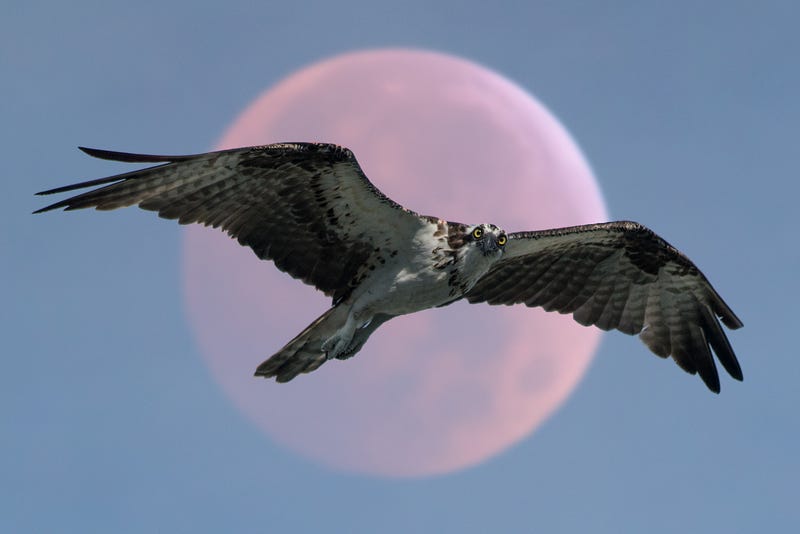
The text reflects on the nature of perspective and understanding through the allegory of an ant and a hawk, while also touching on personal reflection and the influence of a parental figure.
Abstract
The passage uses the metaphor of an ant and a hawk to illustrate how two beings can observe the same thing yet perceive it entirely differently, emphasizing the subjectivity of experience and knowledge. It suggests that true understanding and agreement can only come from experiencing the world as the other does. Interwoven with this allegory is a personal narrative of self-reflection, where the narrator recognizes traits of a significant figure from their past in themselves, leading to introspection about their own identity and the possibility of being misunderstood by others, just as they once misunderstood this influential person.
Opinions
- The author believes that understanding and agreement between individuals with vastly different perspectives can only be achieved through a radical shift in each other's experiences.
- There is a sense of nostalgia and regret in the personal reflections, as the narrator seems to empathize with and seek forgiveness from a figure from their past.
- The text implies that people often realize the true nature of their relationships and the influence of others on them only in retrospect.
- The recommendation of an AI service at the end suggests the author's endorsement of the technology as a valuable tool for communication and understanding, offering it as a cost-effective alternative to other services.